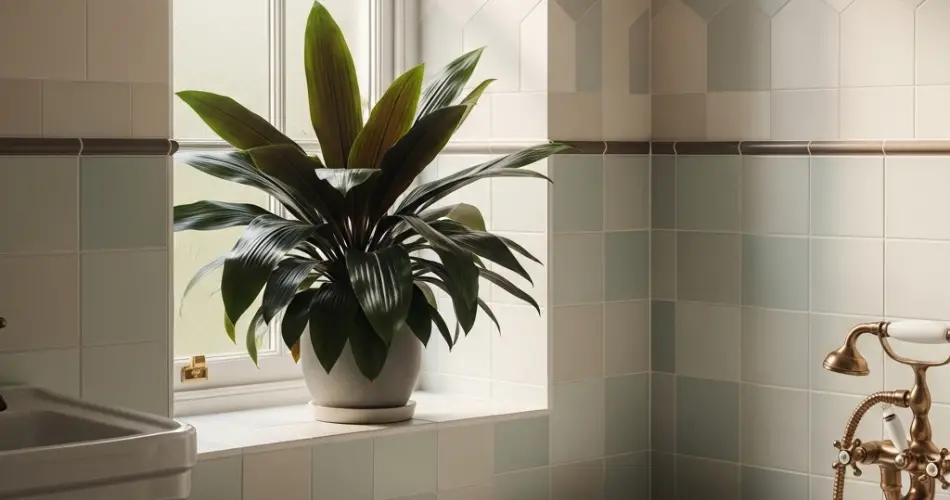
Among the many houseplants you can grow indoors, the Aspidistra elatior, commonly known as the cast iron plant, stands out as one of the toughest and most adaptable. But what may surprise many is that this low-maintenance beauty is especially well-suited for one often-overlooked location in the home: the bathroom.
Why would anyone place a plant in the bathroom? And what makes the Aspidistra the perfect candidate? This article reveals the unique benefits of having this hardy plant in your WC or bathroom, along with essential care tips to keep it thriving.
What Is an Aspidistra?
The Aspidistra elatior is a lush, leafy plant native to East Asia. It earned the nickname “cast iron plant” due to its incredible resilience. It tolerates neglect, poor lighting, irregular watering, and fluctuating temperatures—conditions that would kill most houseplants.
Its long, glossy, deep-green leaves grow directly from rhizomes at the base and can reach up to 60 cm (2 feet) tall. Some varieties feature variegated or speckled foliage, adding extra visual interest.
This plant has been popular in Victorian homes and remains a top choice for low-light rooms and shaded corners.
Why Put an Aspidistra in the Bathroom?
Most people don’t consider their bathroom a prime spot for houseplants, but it’s actually an ideal environment for certain species—especially the Aspidistra. Here’s why:
1. Low Light Tolerance
Bathrooms often lack natural sunlight or have only a small window. Unlike most plants that demand bright light, the Aspidistra thrives in low-light conditions, making it one of the few plants that can flourish in a dimly lit space.
2. Humidity Friendly
Hot showers and baths create a humid microclimate that benefits many tropical plants. While Aspidistras don’t require high humidity to survive, they do appreciate it. The steam and moisture in bathrooms reduce the need for frequent misting and help keep the leaves glossy and healthy.
3. Air Purification
Like many indoor plants, the Aspidistra contributes to improved air quality. It helps filter pollutants and adds a touch of greenery that can make your bathroom feel fresher, calmer, and more inviting.
4. Compact and Decorative
Its upright growth and striking foliage make it an attractive natural decor element, ideal for placing on the floor, beside the sink, or near the bathtub. It adds elegance without taking up too much space.
Additional Uses and Symbolism
In addition to its visual appeal, the Aspidistra has been historically associated with endurance and stability—symbolizing perseverance through tough conditions. In Feng Shui, green leafy plants like this one are believed to bring a sense of calm and grounding, which can enhance the energy of a space like a bathroom that’s associated with cleansing and relaxation.
How to Care for an Aspidistra in the Bathroom
Despite its rugged nature, the Aspidistra will perform best with a little attention. Here are the key care guidelines:
1. Lighting
Place the plant in indirect or filtered light. While it can handle low light, avoid complete darkness. If your bathroom has no window, consider rotating the plant weekly with another kept in natural light or use a small grow light.
2. Watering
Aspidistras prefer to dry out between waterings. Check the top 2–3 cm (1 inch) of soil—if it’s dry, it’s time to water. Be sure not to overwater, especially in bathrooms where humidity can delay soil drying. Always use a pot with drainage holes.
3. Temperature
This plant is not picky about temperature. It tolerates cool or warm environments, as long as it’s not exposed to cold drafts or placed near heaters.
4. Soil and Fertilizer
Use a well-draining potting mix, such as one designed for indoor foliage plants. Fertilize every 6–8 weeks during spring and summer using a balanced liquid houseplant fertilizer. Avoid feeding during winter months.
5. Cleaning and Maintenance
Wipe the leaves occasionally with a damp cloth to remove dust and maintain their shine. Remove any yellow or dead leaves at the base to encourage new growth.
Common Problems and How to Fix Them
-
Yellow Leaves: Often caused by overwatering. Let the soil dry out more between watering sessions.
-
Brown Leaf Tips: Can be due to low humidity or inconsistent watering. Move the plant closer to the shower area or mist occasionally.
-
Pests: Rare, but if spider mites or mealybugs appear, treat with neem oil or a mild insecticidal soap.
Final Thoughts
The Aspidistra is more than just a hardy indoor plant—it’s a stylish and functional addition to your home, especially in the bathroom. Its ability to thrive in low light, tolerate humidity, and purify the air makes it a perfect choice for this often-underutilized space.
Whether you’re looking to enhance your home with greenery or seeking a plant that asks for little but gives a lot, placing an Aspidistra in your WC or bathroom could be the simple upgrade you didn’t know you needed.


