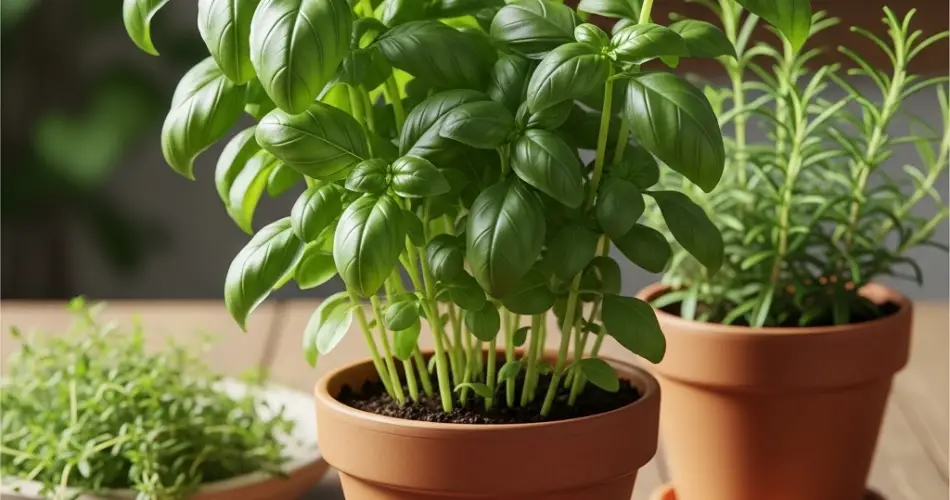
Basil (Ocimum basilicum), often referred to as the “king of herbs,” is a staple in many gardens worldwide. Renowned for its aromatic leaves and culinary versatility, basil also boasts a rich history of medicinal use. Whether you’re a seasoned gardener or just starting out, understanding the benefits and care of basil can enhance both your garden and well-being.
Medicinal Benefits of Basil
Beyond its culinary applications, basil offers numerous health benefits:
-
Anti-inflammatory and Antioxidant Properties: Basil contains essential oils like eugenol, citronellol, and linalool, which have anti-inflammatory effects. These compounds help combat oxidative stress and reduce inflammation in the body .
-
Supports Digestive Health: Basil aids digestion by promoting the production of digestive enzymes. It can help alleviate bloating and water retention .
-
Antibacterial Effects: The essential oils in basil have been shown to inhibit the growth of various bacteria, making it a natural remedy for infections .
-
Mental Health Support: Certain varieties, like holy basil (Ocimum tenuiflorum), are known for their adaptogenic properties, helping the body manage stress and anxiety .
-
Blood Sugar Regulation: Basil may assist in maintaining healthy blood sugar levels, making it beneficial for individuals with diabetes .
Growing Basil: A Gardener’s Guide
Basil is a relatively easy herb to cultivate, making it ideal for both novice and experienced gardeners.
1. Choosing the Right Location
Basil thrives in warm, sunny environments. Select a spot that receives at least 6 to 8 hours of sunlight daily. While it prefers full sun, basil can tolerate partial shade .
2. Soil Requirements
Plant basil in well-draining soil enriched with organic matter. A slightly acidic to neutral pH (6.0 to 7.0) is optimal. Ensure the soil remains moist but not waterlogged.
3. Planting and Spacing
Sow basil seeds directly into the soil after the last frost, or start them indoors 4 to 6 weeks prior. Space plants about 12 to 18 inches apart to allow for adequate air circulation.
4. Watering
Keep the soil consistently moist, especially during dry spells. Water at the base of the plant to prevent fungal diseases.
5. Pruning and Harvesting
Regularly pinch off the top leaves to encourage bushier growth. Removing flower buds as they appear ensures the plant focuses energy on leaf production, maintaining its flavor .
6. Fertilization
While basil doesn’t require heavy feeding, applying a balanced, water-soluble fertilizer every 4 to 6 weeks can promote healthy growth.
Companion Planting with Basil
Basil not only benefits from certain companion plants but also offers advantages to its neighbors:
-
Tomatoes: Planting basil near tomatoes can enhance their flavor and deter pests like aphids and hornworms .
-
Peppers and Oregano: These plants share similar growing conditions and can thrive alongside basil.
-
Avoid Planting with Rue or Sage: These herbs may inhibit basil’s growth.
Preserving and Using Basil
To enjoy basil year-round:
-
Drying: Hang basil stems upside down in a well-ventilated area away from direct sunlight. Once dried, store leaves in airtight containers.
-
Freezing: Chop fresh basil and freeze it in ice cube trays with a bit of water or olive oil. Use the cubes in soups, sauces, or stews.
-
Infused Oils and Vinegars: Steep basil leaves in olive oil or vinegar to create flavorful infusions for cooking.
Conclusion
Basil is more than just a flavorful addition to your meals; it’s a medicinal powerhouse and a garden ally. Its ease of cultivation, coupled with its health benefits, makes it a must-have for every gardener. By integrating basil into your garden, you’re not only enhancing your culinary experiences but also tapping into centuries of traditional medicine.


