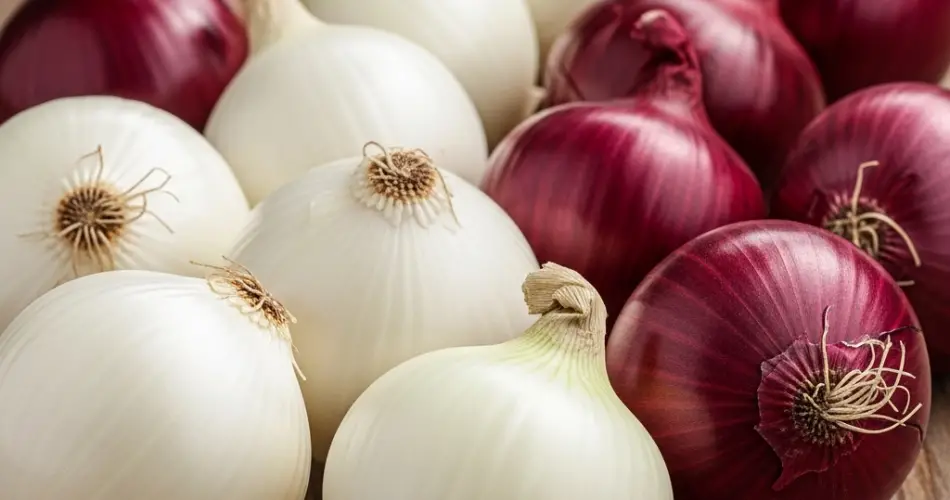
Onions are a kitchen staple and one of the most satisfying vegetables to grow in a home garden. If you’re aiming for large, robust onion heads—especially white and red varieties—timing is everything. Planting onions in the fall gives them a head start on the growing season, which can result in significantly bigger bulbs come harvest time.
Here’s what you need to know about when and how to plant fall onions to produce giant heads that are flavorful, firm, and long-lasting.
Why Fall Planting Works
Many gardeners are familiar with planting onions in the spring, but fall planting offers several unique advantages:
-
Extended growing time: Fall onions begin to establish roots before winter and resume growth as soon as temperatures warm up, giving them a growth head start.
-
Larger bulbs: Because they grow over a longer period, fall-planted onions often produce bigger and more mature heads.
-
Cold resistance: White and red onion varieties are hardy and can survive winter conditions in many regions with proper protection.
The key is to plant at the right time so the onions develop strong roots before winter dormancy but don’t sprout too much top growth, which can be damaged by frost.
Best Time to Plant Fall Onions
The ideal planting time for fall onions depends on your climate zone, but the general rule is to plant 4 to 6 weeks before your area’s first expected frost. This timing allows enough root development without pushing the plant into full growth mode.
Here’s a basic guideline by USDA hardiness zones:
-
Zones 5–6: Plant from late September to mid-October
-
Zones 7–8: Plant from mid-October to early November
-
Zone 9 and warmer: Plant from late November to early December
If you’re unsure of your zone, check a local planting calendar or use an online USDA zone lookup.
Choosing the Right Onion Sets
For fall planting, it’s best to use onion sets or transplants, not seeds. Sets are small, immature bulbs harvested early in the season and cured for replanting. They’re ideal for fall because they establish quickly and are less vulnerable to cold stress.
When selecting sets:
-
Choose firm, disease-free bulbs.
-
Select white or red onion varieties suitable for overwintering, such as ‘White Lisbon,’ ‘Red Burgundy,’ or ‘Red Creole’.
-
Avoid oversized sets, as they’re more prone to bolting (premature flowering).
How to Plant Fall Onions for Giant Bulbs
1. Prepare the Soil
Onions thrive in loose, well-drained soil that’s rich in organic matter. Add compost or well-rotted manure before planting and ensure the soil pH is between 6.0 and 7.0. Avoid compacted or overly wet areas, which can cause rot over winter.
2. Plant the Sets
-
Plant the sets 1–2 inches deep, with the pointed end facing up.
-
Space each bulb about 4–6 inches apart to allow room for large bulb formation.
-
Leave 10–12 inches between rows for easy maintenance.
3. Water Lightly
After planting, water just enough to settle the soil. Avoid overwatering, especially as temperatures drop.
4. Mulch for Winter Protection
Apply a 2–4 inch layer of straw, dry leaves, or other mulch over the bed to insulate the onions during winter. This helps regulate soil temperature and prevents heaving caused by freeze-thaw cycles.
Spring Care for Fall-Planted Onions
As the weather warms in late winter or early spring, the onions will resume active growth.
-
Remove or thin mulch as temperatures rise to allow sunlight and warmth to reach the soil.
-
Feed the onions with a nitrogen-rich fertilizer every 3–4 weeks to support foliage growth, which is essential for large bulb formation.
-
Keep the soil moist but not waterlogged. Consistent watering is crucial during the bulbing phase.
As the tops begin to yellow and fall over (typically in late spring to early summer), it’s a sign that the onions are ready to harvest.
Additional Tips for Bigger Onion Heads
-
Choose long-day varieties if you live in northern regions, and short-day types for southern zones.
-
Avoid crowding—onions need space to develop wide bulbs.
-
Monitor for pests and diseases, such as onion maggots or mildew, and treat promptly.
-
Don’t harvest too early—allow the bulb to mature fully and the neck to dry for better storage.
Final Thoughts
Planting white and red onions in the fall is a smart strategy for gardeners who want to enjoy massive, flavorful bulbs early in the next season. With the right timing, quality sets, and proper care, your garden can produce onions that rival anything found at a farmer’s market.
Don’t let the cold weather deter you—fall is the perfect time to lay the groundwork for a bumper onion harvest. With a little preparation now, you’ll be rewarded with giant, aromatic heads come summer.


