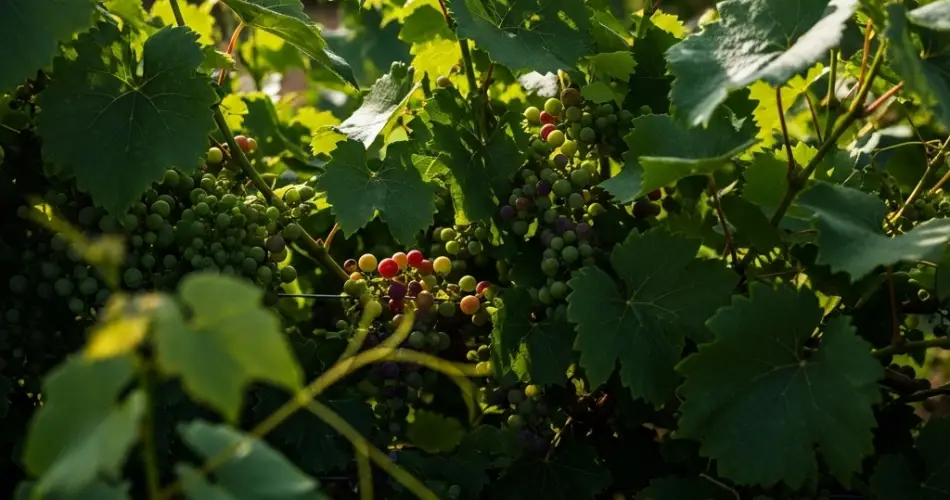
Grapevines are vigorous plants that can easily become tangled and unproductive if not pruned regularly. Proper pruning is essential for maintaining plant health, encouraging strong growth, and producing an abundant harvest of sweet, juicy grapes. Whether you’re growing grapes for fresh eating, juice, or winemaking, understanding when and how to prune makes all the difference. Here’s a comprehensive guide to help you prune grapevines correctly and at the right time.
Why Prune Grape Vines?
Pruning may seem counterintuitive at first—after all, why remove healthy-looking growth? But for grapevines, pruning is crucial for several reasons:
-
Encourages fruit production: Grapes grow on one-year-old wood. Pruning ensures that new, productive wood develops each season.
-
Controls size and shape: Left unchecked, grapevines can sprawl and become difficult to manage.
-
Improves air circulation: Thinner growth reduces the risk of fungal diseases and pests.
-
Increases sunlight exposure: This boosts ripening and fruit quality.
When to Prune Grape Vines
The best time to prune grapevines is during their dormant season, usually in late winter to early spring, just before new growth begins.
-
For cold climates: Wait until the risk of severe frost has passed, typically in late February to March.
-
For warmer regions: Pruning can begin earlier, around late January or February.
Avoid pruning in the fall, as this can stimulate new growth that may be damaged by winter temperatures. Also, never prune when the vine is actively growing and producing sap, as this can stress the plant.
Tools You’ll Need
Before you begin, gather the right tools for the job:
-
Sharp bypass pruners for small stems
-
Loppers for thicker canes
-
Gloves to protect your hands
-
A clean disinfectant (like rubbing alcohol) to sanitize your tools between cuts
Clean cuts help prevent disease and ensure faster healing.
Understanding Grape Vine Growth
To prune effectively, it’s important to understand how grapevines grow:
-
Grapes are produced on new shoots that grow from one-year-old canes.
-
Each year, the previous season’s growth should be cut back to encourage new fruit-bearing shoots.
-
Without pruning, the vine will grow mostly vegetative wood and very little fruit.
Grapevines are typically trained using systems like cane pruning or spur pruning, depending on the variety and your local growing conditions.
How to Prune: Two Main Methods
1. Cane Pruning
Ideal for table grapes and certain wine varieties, cane pruning focuses on selecting new canes each year.
Steps:
-
Identify the trunk and the old cordons (arms).
-
Select 1–4 healthy canes that grew last season. These should be about pencil-thick and have 8–15 buds.
-
Cut all other canes back to the base.
-
Leave a “renewal spur” near each selected cane—these are short stubs with 1–2 buds that will grow into replacement canes next year.
Tip: Tie the selected canes horizontally to a support wire to encourage even shoot development.
2. Spur Pruning
Common in home gardens and for wine grapes grown on cordon systems, spur pruning is simple and effective.
Steps:
-
Choose a permanent trunk and two horizontal cordons trained along wires.
-
On each cordon, select spaced-out spurs—short stubs from last year’s growth.
-
Cut each spur back to 2–4 buds. These buds will produce fruiting shoots in the growing season.
Note: Over time, renew older wood by replacing spurs with younger canes that grow in better positions.
Summer Pruning (Optional)
While winter pruning is essential, some light summer pruning can help maintain order and improve grape quality:
-
Pinch off excessive shoot tips to direct energy to fruit development.
-
Thin clusters if the vine is overloaded with grapes.
-
Remove suckers at the base of the trunk to keep the plant tidy.
Avoid heavy summer pruning, which can expose grapes to sunburn and reduce next year’s crop.
Common Mistakes to Avoid
-
Overpruning: Removing too much wood can reduce yield.
-
Underpruning: Not pruning enough leads to weak fruit and tangled vines.
-
Pruning at the wrong time: Pruning too early or during active growth can damage the vine.
-
Ignoring vine structure: Poorly placed cuts can lead to awkward growth and harder pruning in the future.
Final Thoughts
Pruning grapevines may seem daunting at first, but with practice, it becomes a rewarding and manageable task. By pruning at the right time and using the correct technique, you’ll promote healthy growth, improve fruit quality, and keep your vines productive year after year. Whether you’re growing on a trellis, arbor, or fence, a well-pruned grapevine is both beautiful and bountiful.


