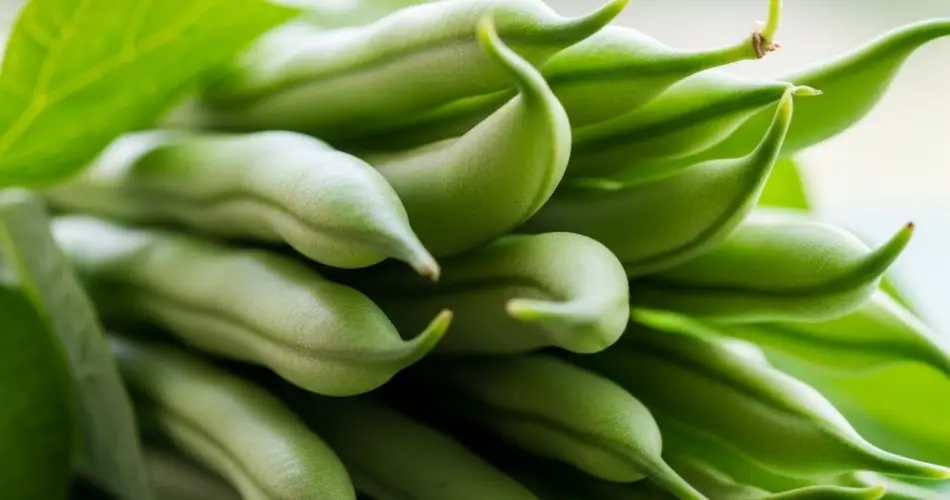

String beans, also known as green beans or snap beans, are a favorite in many home gardens. They are easy to grow, fast to mature, and produce generously throughout the growing season. Whether you’re cultivating bush or pole varieties, knowing the right time and technique to harvest string beans is essential to enjoy the best flavor and encourage continued production. Harvesting at the right moment ensures tender pods, optimal yields, and healthier plants. Here’s a complete guide on when and how to harvest string beans for maximum success.
Understanding String Bean Growth
String beans come in two main types: bush beans, which are compact and self-supporting, and pole beans, which are vining and require support structures. Both types produce long, slender pods that develop from small white, pink, or purple flowers. Most varieties are ready to harvest within 50 to 65 days from planting, though this may vary slightly based on the cultivar and climate.
Beans grow rapidly once they begin producing, so daily inspection is essential during the peak season to catch them at just the right time.
When to Harvest String Beans
The key to harvesting string beans is timing. If picked too early, the beans will be small and underdeveloped; if left too long, they become tough and fibrous.
Signs that string beans are ready to harvest:
-
Pods are firm, smooth, and bright green (or yellow/purple, depending on the variety)
-
Pods are about 4 to 6 inches long, although this can vary
-
Beans inside are barely visible or just beginning to swell
-
Pods snap easily when bent—hence the name “snap beans”
-
No visible seeds bulging through the pod wall
It’s best to start harvesting when pods are still young and tender. For bush beans, the harvest window is usually narrower, while pole beans often produce over a longer period.
How to Harvest String Beans
Harvesting beans is simple and can be done by hand, making it a relaxing and rewarding part of gardening.
Step-by-step harvesting tips:
-
Use two hands – Hold the vine or plant with one hand and gently pull the pod with the other to avoid damaging the stem or plant. You can also use garden scissors or pruning shears for a clean cut.
-
Harvest frequently – Pick beans every 2 to 3 days during peak production to keep the plant producing. Leaving mature pods on the plant signals the plant to slow or stop production.
-
Work gently – Beans are delicate, and rough handling can bruise the pods or break stems. Take care, especially with pole beans, which are more prone to damage due to their vining structure.
-
Sort as you go – If any pods are too tough or stringy, remove them anyway to encourage new growth.
Best Time of Day to Harvest
The ideal time to harvest string beans is in the early morning, after the dew has dried but before the heat of the day. At this time, the pods are crisp and full of moisture. Avoid harvesting when the plants are wet to minimize the spread of disease.
Post-Harvest Care and Storage
Once picked, handle beans gently to prevent bruising. Rinse them in cool water and let them air dry before storing.
Storage tips:
-
Place beans in a perforated plastic bag or container
-
Store in the refrigerator for up to 5 to 7 days
-
For longer storage, blanch and freeze the beans within 24 hours of harvesting
Avoid washing beans before storing unless they are visibly dirty, as excess moisture can lead to mold.
Tips for Continued Bean Production
To keep your bean plants producing throughout the season, regular harvesting is crucial. Beans are “cut-and-come-again” plants—harvesting encourages them to produce more pods.
Additional tips:
-
Water regularly, especially during hot weather, to maintain pod quality
-
Mulch around the base of the plants to retain moisture and reduce weeds
-
Feed with compost or a balanced fertilizer every few weeks to support growth
-
Remove any yellowing leaves or old pods to keep the plant healthy
If growing pole beans, keep vines trained to their supports to improve air circulation and make harvesting easier.
When to Stop Harvesting
As the season progresses, plants may naturally slow their production. When pods become scarce, small, or tough regardless of harvesting frequency, it’s a sign that the plant is nearing the end of its cycle. At this point, you can remove the plant and prepare the area for a new crop or leave a few pods on the vine to dry and collect seeds for next season.
Final Thoughts
Harvesting string beans at the right time and with the right technique makes a big difference in taste, yield, and plant health. By checking your plants regularly, harvesting tender pods frequently, and storing them properly, you can enjoy crisp, delicious green beans all season long. Whether you grow bush or pole types, a little attention and consistent care will reward you with a steady supply of one of the garden’s most satisfying crops.


