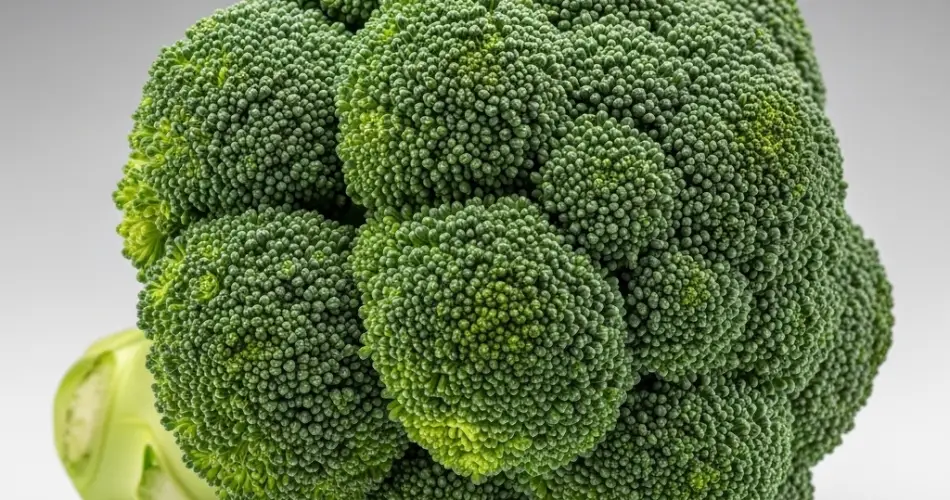
Broccoli is a rewarding crop for home gardeners due to its nutritional value and versatility in cooking. However, achieving large, dense broccoli heads requires more than just planting seeds and watering them. Proper fertilization at the right stages of growth plays a crucial role in encouraging healthy development and maximizing head size. Here’s a comprehensive guide to fertilizing broccoli for optimal results.
Understanding Broccoli’s Nutritional Needs
Broccoli is a heavy feeder, meaning it requires a substantial amount of nutrients to thrive. It especially needs nitrogen, phosphorus, and potassium, along with secondary nutrients like calcium and magnesium. Nitrogen supports leafy growth, phosphorus helps in root and bud development, and potassium improves overall plant health and disease resistance.
However, too much of one nutrient—especially nitrogen—at the wrong time can lead to excessive foliage with small or underdeveloped heads. That’s why understanding the timing and type of fertilizer is critical.
Preparing the Soil Before Planting
Start by enriching the soil before planting. Mix in plenty of well-rotted compost or aged manure to improve soil structure and nutrient content. Ideally, do this two to four weeks before transplanting or sowing broccoli.
Test your soil’s pH, which should ideally be between 6.0 and 7.0. If the soil is too acidic, add lime to raise the pH. Broccoli prefers slightly alkaline soil, which also helps reduce the risk of clubroot, a common disease affecting brassicas.
Fertilizing at Planting Time
At the time of transplanting or sowing seeds, apply a balanced fertilizer such as 10-10-10 (N-P-K) at the rate recommended on the package. This ensures the young plants have access to all the major nutrients during the early stages of development.
Work the fertilizer into the top 4 to 6 inches of soil to avoid burning young roots. If using organic options, well-composted manure, bone meal (for phosphorus), and blood meal (for nitrogen) are excellent choices.
Side-Dressing for Sustained Growth
About three weeks after transplanting, when the broccoli is established and starting to grow vigorously, apply a nitrogen-rich fertilizer as a side-dress. This is done by spreading fertilizer in a shallow trench 3 to 4 inches away from the base of the plant and then covering it with soil.
A second side-dress application can be done about three weeks later, just as the central head begins to form. This feeding helps support the development of larger heads. Avoid applying fertilizer directly on the plant base to prevent root burn.
For organic gardeners, side-dressing can be done using fish emulsion, compost tea, or diluted liquid seaweed extract, all of which promote steady growth and are less likely to overfeed the plant.
Watch for Nutrient Deficiency Signs
Keep an eye out for nutrient deficiencies during the growing season:
-
Nitrogen deficiency: Yellowing lower leaves and slow growth.
-
Phosphorus deficiency: Purplish leaf stems or undersides.
-
Potassium deficiency: Marginal leaf burn or curling.
If any of these symptoms appear, apply a corrective dose of the missing nutrient promptly.
Watering and Mulching to Support Fertilization
Fertilizers are most effective when plants have consistent moisture. Water your broccoli deeply and regularly, about 1 to 1.5 inches of water per week, especially after fertilizing. This helps nutrients reach the root zone and be absorbed efficiently.
Apply a thick layer of mulch (straw, shredded leaves, or grass clippings) around the plants to retain moisture, suppress weeds, and slowly feed the soil as it decomposes.
Final Fertilization Tips
-
Avoid overfeeding: Excess nitrogen late in the season can delay head formation and make plants prone to pests like aphids.
-
Avoid feeding during very hot weather: High temperatures combined with fertilizer can stress the plants.
-
Stop fertilizing once heads begin to mature: At this stage, the plant focuses on producing heads rather than foliage or roots.
Harvesting for Maximum Yield
When the central head reaches full size and before the buds open into yellow flowers, cut it off with a sharp knife. This often triggers the development of side shoots, which produce smaller but still tasty heads. Continued care and periodic feeding can help extend your harvest well into the season.
Conclusion
Fertilizing broccoli at the right time and with the right nutrients can significantly improve the size and quality of the heads. Begin with nutrient-rich soil, follow up with side-dressings at key growth stages, and monitor your plants closely for any signs of deficiency. Combined with proper watering and care, your broccoli plants will reward you with a bountiful, nutritious harvest.


