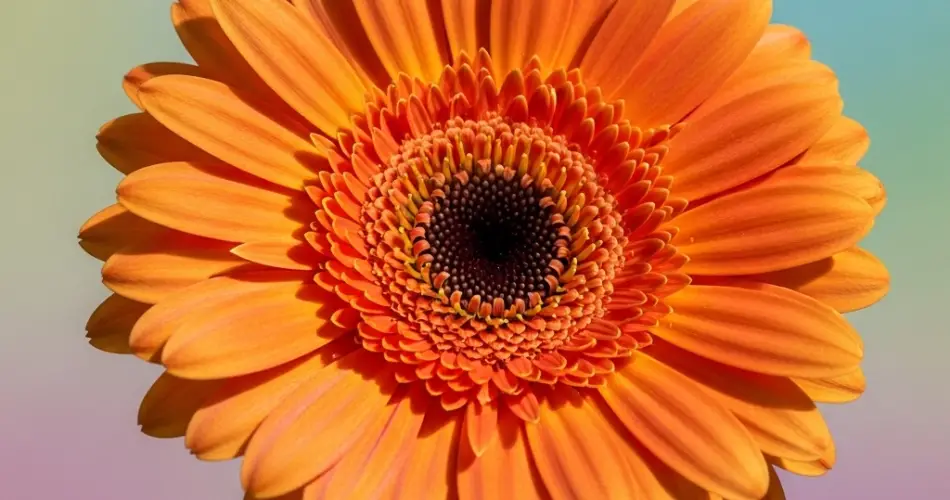
Gerberas are among the most popular flowering plants worldwide, loved for their vibrant colors and daisy-like appearance. They add a cheerful splash of color to gardens, patios, and indoor spaces alike. If you are considering buying a Gerbera, it’s important to understand its care requirements and how well it tolerates cold temperatures. This knowledge will help you keep your Gerbera healthy and blooming for a long time.
Introduction to Gerberas
Gerbera, also known as Gerbera Daisy, is a member of the Asteraceae family. Native to South Africa, these flowers thrive in warm climates but are grown widely around the world as ornamental plants. Gerberas come in a variety of bright colors including red, orange, pink, yellow, and white, making them a favorite for bouquets and garden decoration.
Before you bring home a Gerbera plant, understanding its needs will save you time and frustration and ensure the plant flourishes.
How to Care for Gerbera Plants
Gerberas require specific conditions to grow well. Here are essential care tips to keep your Gerbera healthy:
1. Light Requirements
Gerberas love bright, indirect sunlight. Outdoors, place them in a spot where they receive morning sun and afternoon shade. Too much direct sunlight, especially intense afternoon sun, can scorch the leaves and flowers.
If grown indoors, position your Gerbera near a bright window but avoid direct, harsh sunlight. Providing about 6 hours of light daily promotes healthy growth and vibrant blooms.
2. Watering
Gerberas prefer moist but well-drained soil. Water the plant when the top inch of soil feels dry to the touch. Avoid overwatering, which can lead to root rot—a common problem with Gerberas.
When watering, direct the water to the soil base rather than the leaves or flowers to prevent fungal diseases. Consistent watering helps the plant produce abundant flowers.
3. Soil and Fertilization
Plant Gerberas in well-draining soil rich in organic matter. A mix of potting soil combined with perlite or sand improves drainage.
Feed your Gerbera with a balanced liquid fertilizer every two to three weeks during the growing season. Fertilizing encourages continuous blooming and strengthens the plant.
4. Temperature and Humidity
Gerberas prefer temperatures between 65°F and 75°F (18°C to 24°C). They can tolerate slightly cooler temperatures but are sensitive to frost and prolonged cold.
Maintain moderate humidity levels; avoid overly humid environments that encourage fungal diseases.
5. Pruning and Deadheading
Remove dead or faded flowers regularly to stimulate new blooms. Pruning helps maintain the plant’s appearance and directs energy towards flower production.
Also, trim yellow or damaged leaves to keep the plant healthy.
Does Gerbera Tolerate Cold Weather?
One of the most critical factors to consider before buying a Gerbera is its cold tolerance. Gerberas are not frost-hardy plants. Exposure to freezing temperatures can damage or kill them.
Here’s what you need to know about Gerberas and cold weather:
-
Minimum Temperature: Gerberas thrive best above 50°F (10°C). Temperatures below 40°F (4°C) may cause damage.
-
Frost Sensitivity: Even light frost can harm leaves and flowers, so it’s important to protect the plant if frost is expected.
-
Outdoor Care in Cold Climates: In areas where temperatures drop below freezing, Gerberas are best grown as annuals or brought indoors during winter.
-
Indoor Winter Care: If you live in a colder climate, consider growing Gerberas in pots so you can move them indoors during the cold season. Place them near a bright window, maintain moderate humidity, and avoid cold drafts.
-
Mulching: Applying mulch around outdoor Gerberas can provide some insulation during mild cold spells but is not sufficient protection against hard freezes.
Tips for Growing Gerbera Successfully
To maximize your success with Gerberas, consider these additional tips:
-
Avoid Overcrowding: Gerberas need good air circulation to prevent fungal infections. Space plants adequately if grown outdoors.
-
Watch for Pests: Common pests include aphids, spider mites, and whiteflies. Inspect plants regularly and treat infestations promptly with insecticidal soap or neem oil.
-
Repotting: If your Gerbera outgrows its pot, repot it in fresh soil during the growing season to refresh nutrients.
-
Propagation: Gerberas can be propagated by division or from seeds, although division of mature plants is faster and more reliable.
Signs Your Gerbera Needs Attention
Knowing the signs of distress helps you respond early:
-
Wilting or Yellowing Leaves: Could indicate overwatering, underwatering, or poor drainage.
-
Brown Leaf Tips: May result from dry air or inconsistent watering.
-
Lack of Blooms: Often caused by insufficient light or nutrients.
-
Spots or Mold on Leaves: Signs of fungal infection, usually due to high humidity or poor air circulation.
Conclusion
Gerberas are stunning, bright flowers that can enliven any space. However, before purchasing, understanding their care needs and sensitivity to cold is essential. Provide your Gerbera with bright but indirect light, moderate watering, well-draining soil, and protection from frost to enjoy long-lasting blooms.
In colder climates, treat Gerberas as seasonal plants or grow them indoors during winter. With the right care, these beautiful flowers will reward you with vibrant colors and cheerful blossoms for months.


