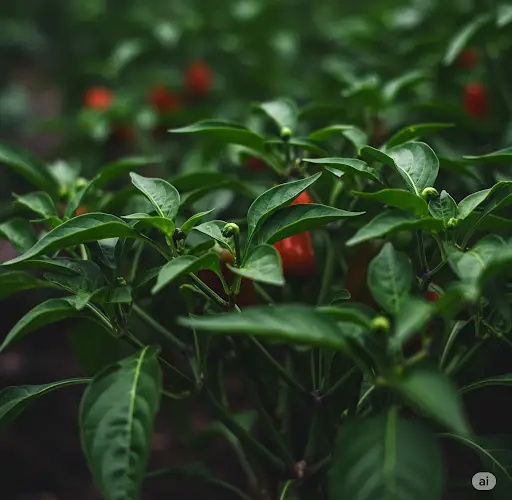
Starting peppers from seed can be a rewarding experience, but sometimes, even with the best intentions, the seeds simply refuse to sprout. Whether you’re growing bell peppers, jalapeños, or sweet varieties, understanding why seeds don’t germinate and how to correct the issue is key to a healthy garden. Here are common reasons pepper seeds fail to germinate and practical steps you can take to fix the problem.
1. Check the Seed Quality
The first factor to consider is the quality and age of your seeds. Pepper seeds tend to lose viability over time, especially if they’ve been stored improperly. Seeds that are more than three years old or have been exposed to moisture, heat, or sunlight may not sprout at all.
Solution: Always check the seed packet for expiration dates. If you saved your own seeds, store them in a cool, dry, and dark place. To test older seeds, you can do a simple germination test by placing a few in a moist paper towel inside a plastic bag and keeping it warm for a week. If they don’t sprout, it’s time to replace them.
2. Maintain the Right Temperature
Pepper seeds are sensitive to temperature. They require warm conditions to germinate—ideally between 24°C and 30°C (75°F to 86°F). If your growing environment is too cold, the seeds may remain dormant or rot in the soil.
Solution: Use a heat mat under your seed trays to maintain optimal soil temperature. Alternatively, place them in a warm spot such as the top of a refrigerator or near a sunny window, but make sure they’re not exposed to drafts or nighttime chills.
3. Avoid Overwatering
Too much moisture can cause seeds to rot before they have a chance to germinate. On the other hand, not enough moisture can dry them out. Striking the right balance is crucial.
Solution: Keep the soil evenly moist, not soggy. Use a spray bottle to mist the surface lightly and cover the trays with plastic wrap or a humidity dome to retain moisture. Be sure to remove the cover once seedlings emerge to prevent mold growth.
4. Use the Right Soil
Pepper seeds need a light, well-draining growing medium. Heavy or compacted soil can suffocate the seeds and inhibit sprouting.
Solution: Use a seed-starting mix specifically formulated for germination. Avoid using garden soil or potting mixes that are too dense. A sterile, fluffy medium helps ensure good air circulation and moisture control.
5. Provide Adequate Light
Although pepper seeds don’t need light to germinate, they do need it immediately after sprouting. If seedlings emerge in low light conditions, they can become leggy and weak.
Solution: Place seedlings under grow lights or in a sunny window for at least 12–16 hours a day. If natural light is limited, fluorescent or LED grow lights positioned a few inches above the plants work well.
6. Be Patient
Pepper seeds are notoriously slow to germinate. Depending on the variety and conditions, germination can take anywhere from 7 to 21 days—or even longer.
Solution: Don’t be too quick to discard seed trays. Continue to provide warm, moist conditions and give the seeds at least three weeks before giving up. Some varieties naturally take longer, especially hot peppers.
7. Scarify or Soak Tough Seeds
Some pepper seeds have a thick outer shell that can delay or prevent germination.
Solution: Try soaking the seeds in warm water for 12 to 24 hours before planting. Alternatively, you can lightly scarify the seed coat by rubbing them gently with fine sandpaper to help water penetrate and speed up the process.
8. Watch for Fungal Issues
Damping-off disease, caused by fungal pathogens in the soil, can kill seeds or young seedlings quickly.
Solution: Always use sterile tools and containers. Avoid overcrowding seeds, which can limit airflow and increase humidity. Water from the bottom when possible, and make sure your growing environment is clean.
Final Thoughts
If your pepper seeds aren’t germinating, it can be frustrating, but don’t give up. Most issues can be corrected with small adjustments to temperature, moisture, or soil conditions. By carefully reviewing each factor, you can improve your chances for a successful pepper crop and enjoy the satisfaction of growing your own flavorful harvest from seed.


