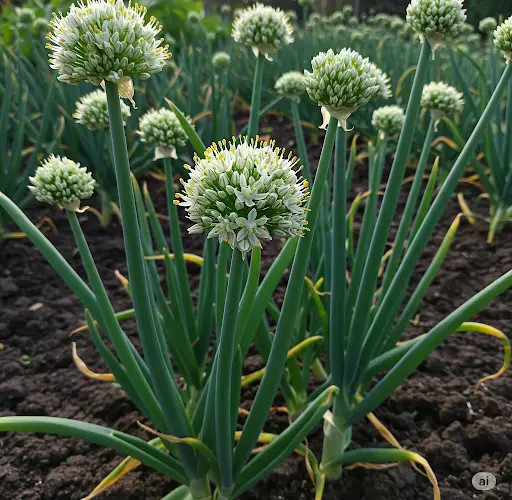
Have you ever opened your pantry to find your stored onions have started to sprout? Many people simply toss them out, thinking they’ve gone bad. But those sprouting onions still have plenty of life left in them—and with one simple step, you can turn them into healthy new plants. Instead of wasting them, you can grow fresh onions right at home, saving money and reducing food waste.
Here’s everything you need to know about what to do when onions sprout and how to encourage healthier growth.
Why Do Onions Sprout?
Onions are living vegetables. Even after harvesting, they continue to respond to their environment. If stored in a warm or moist place, or kept for too long, they can begin to sprout. That green shoot coming out of the top of the onion is a sign that it’s trying to grow again. While sprouting doesn’t mean the onion is unsafe to eat, the quality of the bulb may change. The flesh can become soft or rubbery, and the flavor may become bitter. That said, sprouting onions are not a lost cause—they’re an opportunity.
What You Should Do First
When you notice an onion sprouting, don’t throw it away. Instead, take a closer look at how far along the shoot is. If it’s just beginning to emerge, you might still be able to use the bulb for cooking. However, if the shoot is long and the onion feels soft or hollow, the best option is to use it for growing.
Here’s a simple step to help your sprouting onions grow better:
Remove the old outer layers and separate the shoots.
Many people don’t realize that inside a sprouted onion, especially a large one, there may be multiple shoots—sometimes even two or three individual plants trying to grow. Each of these can be planted separately for better results.
How to Separate the Onion Sprouts
Follow these steps to prepare your sprouted onion for planting:
-
Peel the onion: Remove the dry, papery outer layers, as well as any soft or rotten parts of the bulb.
-
Cut the onion in half: Using a clean knife, carefully cut the onion from top to bottom. This will expose the green sprouts inside.
-
Gently separate the shoots: You may find one to three sprouting centers inside. Each of these is a potential new onion plant. Gently pull them apart, keeping as much of the base and roots (if visible) intact as possible.
-
Trim and clean: Remove any mushy or unusable parts around the base. If roots are present, don’t cut them off—they’ll help the plant establish more quickly once in soil.
Planting Your Onion Shoots
Once separated, you can plant the sprouts in soil, either in pots or directly in your garden. Here’s how:
-
Choose a sunny location. Onions love full sun, so pick a spot that gets at least 6 hours of direct light per day.
-
Use well-draining soil. Onions dislike soggy conditions. Add compost or sand to your soil if needed to improve drainage.
-
Plant the shoots 1 to 2 inches deep. Make sure the green tops are sticking out of the soil.
-
Water regularly, but avoid overwatering. Keep the soil moist, but not wet.
In a few weeks, you’ll see the sprouts begin to grow taller. Over time, they’ll develop into full-sized onions that you can harvest and enjoy.
Caring for Growing Onions
To ensure your onions grow well, follow these care tips:
-
Weed regularly to prevent competition for nutrients.
-
Mulch around the plants to retain moisture and keep weeds down.
-
Fertilize with a balanced fertilizer every few weeks, especially if you’re growing in pots.
Onions take about 90 to 120 days to mature, depending on the variety and growing conditions. When the green tops start to yellow and fall over, it’s a sign your onions are ready to harvest.
Final Thoughts
Sprouting onions are far from useless. With a little care, those green shoots can become the start of a fresh new crop. Instead of tossing them in the trash, take a few minutes to separate the shoots and replant them. It’s a simple, sustainable practice that can reward you with homegrown onions in just a few months.
Whether you have a garden, a balcony, or even just a sunny windowsill, giving sprouting onions a second life is an easy and satisfying way to grow your own food. Try it next time you find a forgotten onion sprouting in your kitchen—you might be surprised at how well it grows!


