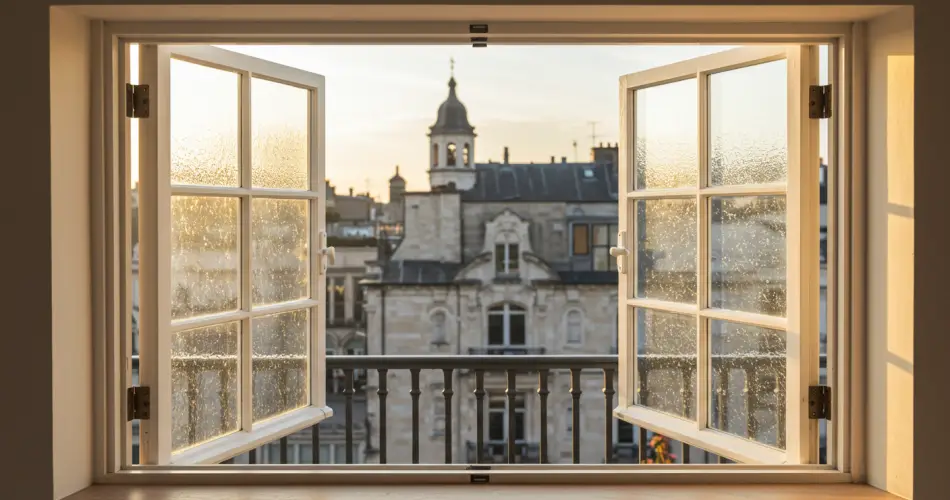
Everyone knows how important it is to ventilate a home, even during the cold winter months. Fresh air is essential for maintaining a healthy living environment, preventing mold and mildew, and improving overall well-being. Yet, in winter, the idea of opening windows can feel uncomfortable due to the cold air entering indoor spaces. Despite this, airing out your home is necessary and can be done in a way that minimizes heat loss.
The Importance of Ventilation
Proper ventilation is crucial for both health and the integrity of your home. Indoor air naturally accumulates moisture, dust, and pollutants over time. If the air inside is not exchanged regularly, condensation can build up, leading to mold growth and damage to walls and furniture. Stale air also contributes to an unpleasant atmosphere, which can feel heavy and stuffy.
Fresh air helps regulate indoor humidity, reduces the presence of allergens such as dust mites, and improves the quality of life for inhabitants. Additionally, proper ventilation supports the immune system, lowers the risk of respiratory issues, and prevents the accumulation of odors, particularly in bathrooms and kitchens.
Many people assume that opening windows during winter will drastically increase heating costs, but with the right approach, this is not necessarily true. Short, intensive ventilation is much more efficient than leaving a window slightly open for extended periods, which only allows heat to escape without effectively exchanging the indoor air.
Benefits of Fresh Air
Exchanging indoor air has numerous benefits. It purifies the home environment, reduces pollutants, and helps eliminate unpleasant smells. In addition, the influx of fresh air can positively affect mood and mental clarity. Ventilated rooms feel lighter, cleaner, and more comfortable to live in.
In winter, when homes are often tightly sealed to retain heat, the indoor air can become especially stagnant. Poor ventilation can contribute to a buildup of carbon dioxide, dust, allergens, and other pollutants, which can negatively impact health and overall comfort. Regular air exchange, even in cold weather, is essential for maintaining a healthy indoor environment.
How to Ventilate Without Losing Heat
The key to effective winter ventilation is short-term, intensive airing. Rather than keeping a window open for hours, it is recommended to open windows for only 10 minutes, three to four times a day. This approach allows for proper air circulation without significantly cooling down indoor spaces.
Timing is important:
-
Morning: Open windows early in the morning when the air is freshest and pollution levels are typically lower.
-
Late Night: Another optimal time is late at night, after 10:00 PM, when traffic and outdoor activity have decreased, resulting in cleaner air.
Before opening windows, it is wise to check outdoor air quality. Avoid ventilating during high pollution periods or when humidity is excessive, as this can introduce damp air that may increase indoor moisture levels. Ideally, indoor humidity should remain below 60%. If conditions are not suitable, it is better to delay ventilation until a more appropriate time.
How Air Circulation Works
Proper ventilation follows a natural flow. Cooler, fresh air enters from the lower areas of the house, such as the first floor, while warmer air rises and exits through upper levels. This process quickly replaces stale indoor air with fresh outdoor air while minimizing heat loss.
During winter, when indoor heating is on, it is important to temporarily turn off radiators, stoves, or heat pumps before opening windows. This prevents unnecessary energy waste while still allowing for effective air exchange.
Special Considerations: Fog and Pollution
In urban or industrial areas, air quality can vary significantly, particularly during foggy conditions or periods of high pollution. Opening windows in these circumstances can bring contaminants into the home, which defeats the purpose of ventilation. If outdoor air quality is poor, ventilation should be limited to the minimum necessary for air exchange.
In such cases, alternatives to natural ventilation can help maintain a clean indoor environment. For example:
-
Air Purifiers: High-quality purifiers can remove airborne pollutants, including dust, pollen, and smoke.
-
Indoor Plants: Certain green plants can absorb toxins and improve indoor air quality naturally.
When outdoor air quality improves, windows and doors can be opened briefly to refresh the indoor environment, maintaining a balance between air quality and temperature comfort.
Practical Tips for Winter Ventilation
-
Keep it short but frequent: Open windows for 10 minutes, several times a day, rather than leaving them slightly open all day.
-
Choose the right time: Morning and late night are usually the best times for fresh air, with lower pollution levels.
-
Monitor indoor humidity: Aim to keep indoor humidity below 60% to avoid condensation and mold growth.
-
Turn off heating devices temporarily: Prevent unnecessary heat loss while ventilating.
-
Use air purifiers or plants when necessary: These can maintain air quality when outdoor conditions are not ideal.
Conclusion
Ventilating your home in winter is essential for both health and comfort. Proper air exchange prevents mold, reduces allergens, and keeps indoor spaces feeling fresh. By following a few simple strategies—short, intensive ventilation, careful timing, and monitoring air quality—homeowners can enjoy the benefits of fresh air without compromising warmth or energy efficiency.
Even in the coldest months, effective ventilation ensures a healthier, more comfortable living environment, making your home not only warmer but also cleaner and more inviting.