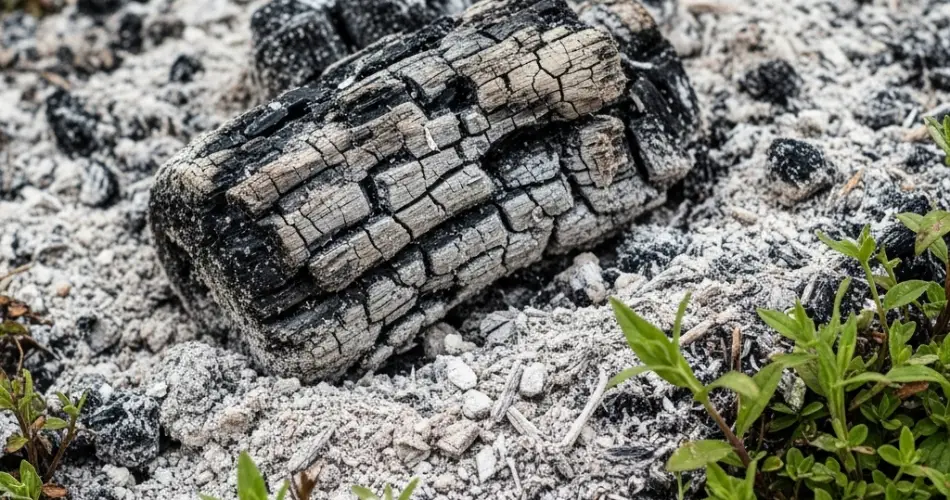
Wood ash, a byproduct of burning untreated wood, can be a valuable soil amendment when used correctly. Rich in potassium, calcium, magnesium, and other trace minerals, it can help balance acidic soils and boost plant health. However, it’s not suitable for every type of plant. Understanding which plants thrive with wood ash and which should be kept away from it is key to using this natural resource effectively in the garden.
Why Use Wood Ash in the Garden?
Wood ash contains about 5-7% potassium, a vital nutrient for flowering and fruiting plants. It also provides calcium, which helps strengthen cell walls and prevent disorders like blossom end rot in tomatoes. Additionally, wood ash raises soil pH, making acidic soils more neutral. This is particularly beneficial for plants that struggle in overly acidic environments. However, overuse or applying it to already alkaline soils can lead to nutrient imbalances.
Before applying wood ash, it’s best to test your soil’s pH. If your soil is already neutral to alkaline, adding wood ash may do more harm than good. Use wood ash sparingly—generally no more than 10 to 15 pounds per 1,000 square feet per year—and mix it into the soil rather than letting it sit on the surface.
Plants That Love Wood Ash
Some garden favorites respond very well to wood ash applications, especially those that prefer slightly alkaline conditions and benefit from extra potassium.
1. Tomatoes
Tomatoes benefit from the calcium and potassium in wood ash, both of which support fruit development and reduce the risk of blossom end rot. Apply a small amount of wood ash around the base and mix it into the soil early in the season.
2. Garlic and Onions
These alliums thrive in soil with a neutral to slightly alkaline pH. Wood ash helps to create an ideal environment for bulb formation and can deter pests and fungal diseases.
3. Brassicas (Cabbage, Broccoli, Cauliflower)
Members of the brassica family are heavy feeders that enjoy calcium-rich soil. Wood ash boosts nutrient levels and helps prevent clubroot, a common disease in acidic soils.
4. Fruit Trees
Apple, pear, and plum trees appreciate the potassium in wood ash, which improves flower and fruit production. Apply ash around the drip line and water it in well.
5. Roses
Roses love potassium and calcium. Wood ash promotes strong stems, more blooms, and disease resistance. Sprinkle lightly around the base in early spring.
6. Peas and Beans
These legumes enjoy slightly alkaline soil. Wood ash can be added before planting to enhance flower and pod development.
Plants That Dislike Wood Ash
Just as some plants benefit from wood ash, others can suffer from it. Acid-loving plants, in particular, should not be exposed to wood ash, as it raises soil pH and can block their nutrient uptake.
1. Blueberries
Blueberries require acidic soil with a pH between 4.5 and 5.5. Wood ash significantly raises pH, which can stunt growth and lead to nutrient deficiencies.
2. Azaleas and Rhododendrons
These ornamental shrubs also prefer acidic soil. Using wood ash around them can interfere with iron absorption, causing yellow leaves and poor flowering.
3. Potatoes
Potatoes are prone to scab, a disease encouraged by alkaline soil conditions. Adding wood ash can increase the risk, so it’s best avoided.
4. Strawberries
While strawberries enjoy rich soil, they prefer slightly acidic conditions. Wood ash can make the soil too alkaline, leading to weaker plants and reduced fruiting.
5. Camellias and Gardenias
These plants are sensitive to changes in pH and require acidic soil to thrive. Wood ash can disrupt their nutrient balance and cause chlorosis.
6. Hydrangeas (when blue color is desired)
The color of hydrangea flowers depends on soil pH. Acidic soil promotes blue blooms, while alkaline conditions result in pink flowers. If you want to maintain blue blooms, avoid wood ash.
Tips for Using Wood Ash Safely
-
Use only untreated wood ash: Avoid ashes from painted, stained, or pressure-treated wood, as these may contain harmful chemicals.
-
Store ash in a dry container: Moisture can turn ash into lye, a caustic substance that can harm plants.
-
Apply in winter or early spring: This gives the ash time to settle into the soil before planting.
-
Avoid contact with seedlings: Wood ash can burn young plants. Always mix it into the soil or compost before planting.
Conclusion
Wood ash can be an excellent, cost-effective amendment for the garden, but only if used wisely. Plants that prefer alkaline soil and need extra potassium and calcium will benefit most. Acid-loving plants, on the other hand, should be kept far from any wood ash applications. By understanding your soil and your plants’ preferences, you can put wood ash to good use and help your garden thrive.


