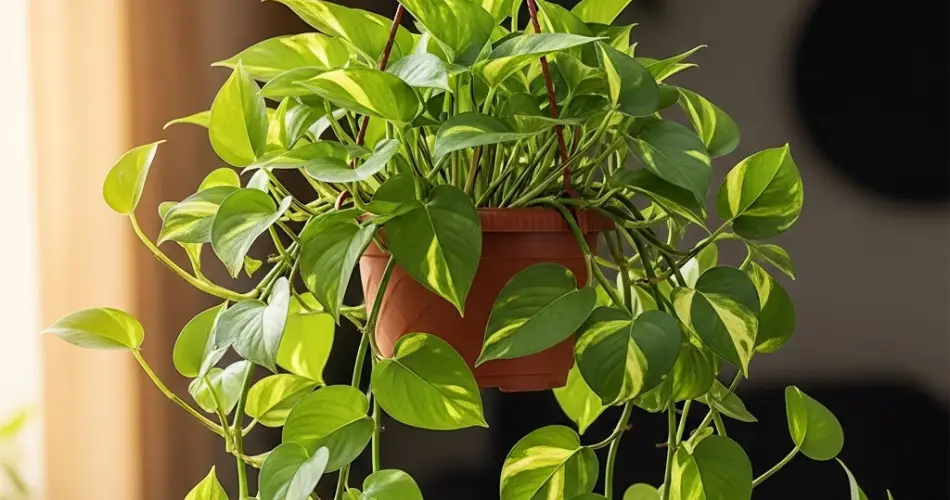
Pothos (Epipremnum aureum) is one of the easiest houseplants to care for, but even hardy plants can suffer if their watering routine isn’t right. The most common issue pothos owners face is root rot—a condition caused by excess moisture and poor drainage that can quickly damage or kill the plant.
The good news is that with the right watering habits, soil selection, and container setup, you can keep your pothos thriving while completely avoiding root rot. This guide explains exactly how to water your plant correctly and keep its roots healthy for years.
Understanding Root Rot in Pothos
Root rot is a fungal disease that occurs when roots remain in wet, oxygen-poor conditions for too long. Healthy roots are white or light tan, but in a rotting state, they turn brown or black, feel mushy, and have a foul odor.
Since pothos prefers slightly dry conditions over soggy soil, it’s especially important to balance moisture with adequate aeration.
Step 1: Use the Right Soil
Even perfect watering habits won’t help if your soil doesn’t drain well. Pothos thrives in a light, well-draining potting mix. A good recipe is:
-
2 parts all-purpose indoor potting soil
-
1 part perlite or coarse sand
-
Optional: 1 part coconut coir or peat moss for light moisture retention
The goal is a mix that holds enough water for the plant’s needs but drains quickly enough to prevent stagnation.
Step 2: Choose the Proper Container
Your container plays a big role in preventing root rot. Always choose pots with drainage holes—this allows excess water to escape instead of pooling at the bottom.
Avoid using decorative pots without drainage unless you keep the plant in a smaller plastic nursery pot inside it, removing it for watering so excess water can drain freely.
Clay or terracotta pots are excellent choices because they allow moisture to evaporate more quickly than plastic or ceramic.
Step 3: Master the Watering Schedule
The easiest way to avoid overwatering is to water only when the top 2 inches of soil feel dry. You can check by inserting your finger into the soil or using a moisture meter.
Here’s a general guide:
-
In spring and summer: Pothos may need water once every 5–7 days.
-
In autumn and winter: Watering may drop to every 10–14 days as growth slows.
Always adjust based on your plant’s environment, as temperature, light, and humidity can speed up or slow down drying time.
Step 4: Watering Technique
When watering, it’s better to give a deep soak rather than frequent light sprinkles. Pour water evenly over the soil surface until it starts draining from the bottom of the pot. This ensures that all the roots get hydrated and that excess salts from fertilizers are flushed out.
Once the water drains completely, discard any that has collected in the saucer to prevent the roots from sitting in it.
Step 5: Adjusting to Seasonal Changes
Your pothos’s watering needs change throughout the year:
-
Warm months: The plant grows faster, so it will need more water.
-
Cool months: Growth slows, and the soil retains moisture longer—overwatering is more likely during this time, so be extra cautious.
Step 6: Monitoring for Early Signs of Overwatering
Catching the symptoms early can save your plant. Watch for:
-
Yellowing leaves, especially on the lower part of the plant
-
Wilting despite moist soil
-
Mushy stems near the base
-
A sour smell coming from the soil
If you notice these signs, stop watering, check the roots, and trim away any that are damaged before repotting into fresh, dry soil.
Step 7: Boosting Drainage
If your pothos is prone to sitting in wet soil, consider these extra drainage tips:
-
Add a layer of pebbles at the bottom of the pot (above the drainage hole) to prevent soil from clogging it.
-
Mix extra perlite into the soil to increase airflow around the roots.
-
Avoid compacting the soil when planting—loose soil dries faster.
Step 8: Humidity Without Overwatering
Pothos enjoys moderate humidity but doesn’t need misting every day. If you want to increase humidity without adding water to the soil:
-
Use a pebble tray filled with water under the plant (without the pot touching the water).
-
Place the plant near other houseplants to create a microclimate.
-
Use a small humidifier during dry seasons.
Step 9: Recovery from Root Rot
If your pothos has root rot, it’s not necessarily the end. Remove the plant from the pot, cut away any brown or mushy roots, and rinse the healthy roots under running water. Repot into fresh, well-draining soil in a clean pot.
Cut back any yellowing leaves to redirect energy to recovery, and reduce watering until the plant shows signs of new growth.
Final Thoughts
Pothos is a resilient plant, but its roots need oxygen as much as they need water. By using the right soil, choosing containers with good drainage, and watering only when necessary, you can keep your pothos lush and green without ever worrying about root rot.
A consistent watering routine—paired with observation and adjustments based on the season—will ensure your pothos thrives for years, providing a cascade of vibrant foliage that brightens any room.


