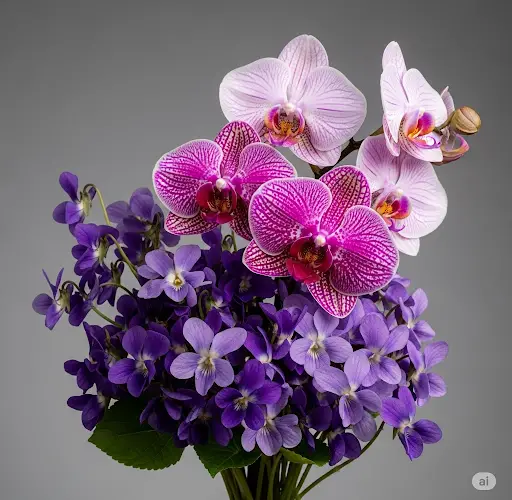
Every home gardener dreams of vibrant flowers bursting with color, but sometimes our favorite plants just don’t cooperate. They may stop blooming, look tired, or struggle to thrive—especially after long winters or environmental stress. But what if one simple tablet could wake them up and kickstart stunning floral displays within days?
This easy, effective method requires no fancy equipment or expensive fertilizers. Just one tablet, placed near the roots, is all it takes to rejuvenate almost any ornamental plant. It’s a solution that has already proven itself in countless gardens.
The Challenge: Dormant or Struggling Flowers
Flowers can stop blooming for several reasons—nutrient depletion, stress, poor lighting, compacted soil, or simple aging. Even with proper watering and sunlight, many plants enter dormant phases where growth slows and buds vanish. When that happens, gardeners often look for ways to boost recovery.
While chemical fertilizers promise quick results, they can sometimes damage delicate root systems or upset the balance of indoor environments. That’s where a gentler, more targeted method makes all the difference.
The Solution: Aspirin – The Surprising Plant Stimulant
The secret to reviving your flowers lies in an unexpected household item: aspirin. This common painkiller contains acetylsalicylic acid, which mimics a natural plant hormone called salicylic acid. In plants, this hormone helps regulate growth, trigger defense mechanisms, and promote flowering.
Here’s how to use it to stimulate blooming in your decorative flowers.
What You’ll Need:
-
1 tablet of aspirin (500 mg)
-
500 ml (half a liter) of room-temperature water
-
A watering can or small container
You can use this mixture for almost any flowering plant—whether it’s a potted orchid, a balcony petunia, or a garden rose bush.
How to Prepare the Mixture
-
Crush one aspirin tablet into a fine powder.
-
Dissolve the powder thoroughly in half a liter of water.
-
Stir well to ensure the aspirin fully dissolves.
How to Apply
Pour the solution directly into the soil near the base of the plant. Avoid watering the leaves unless the plant is large and hardy (like a rose). For smaller or more delicate indoor plants, use only part of the solution and save the rest for the next watering.
Apply this once every two to three weeks during the blooming season or whenever the plant shows signs of needing a boost.
Why It Works
Salicylic acid plays a crucial role in plant health. It helps:
-
Trigger the plant’s internal defenses against stress.
-
Increase nutrient absorption.
-
Stimulate flowering and bud formation.
-
Boost chlorophyll production for greener leaves.
When used in low, diluted concentrations like this aspirin method, it can gently nudge the plant back into an active growth and blooming phase—without the risk of burning the roots or over-fertilizing.
What to Expect
Within a week or two of application, many plants will begin showing signs of revival. Leaves become greener, growth speeds up, and new buds may start to appear. For perennial flowers that seemed stuck in dormancy, this method often sparks new life and rapid recovery.
Indoor plants that rarely flower—like peace lilies or anthuriums—may begin producing blossoms with regular use. Garden varieties, including geraniums, pansies, marigolds, and chrysanthemums, all respond well to this natural stimulant.
Best Practices
To maximize success with this method:
-
Use fresh aspirin—old or expired tablets may lose effectiveness.
-
Don’t overuse—stick to one application every 2–3 weeks to avoid overstimulating the plant.
-
Combine with proper care—good soil, adequate sunlight, and regular watering are essential for lasting results.
-
Try on one plant first—test it on a single plant to see how it reacts before applying to all your flowers.
A Gentle Boost for Beautiful Results
This one-tablet trick is not just a gardening myth—it’s a scientifically grounded method that harnesses the natural power of salicylic acid to support plant vitality and blooming. Whether your flowers are tired, dormant, or just in need of a little encouragement, this method can help them bounce back beautifully.
Simple, inexpensive, and surprisingly effective, it’s an ideal choice for anyone who wants to bring their plants back to life without harsh chemicals. Give it a try—and watch your flowers flourish before your eyes.


