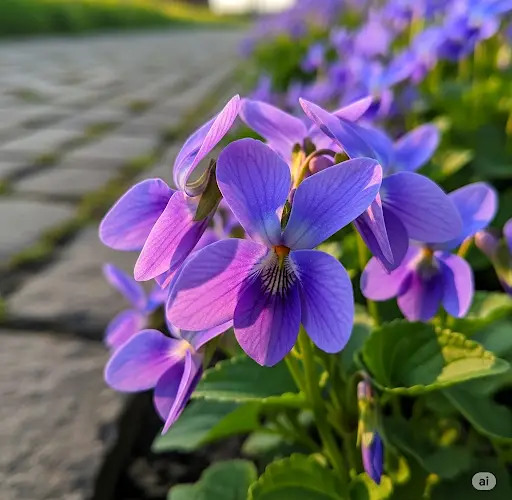
Every gardener dreams of vibrant, blooming flowers that brighten up their home or garden. But sometimes, even the healthiest plants seem slow to bloom—or they just stop altogether. Whether you’re dealing with reluctant roses, sleepy orchids, or stubborn geraniums, there’s an incredibly simple trick that can trigger fast, lush flowering: one common tablet found in nearly every home.
This method doesn’t rely on chemical fertilizers or complicated gardening routines. With just one tablet and a few household ingredients, you can stimulate your flowering plants to burst into bloom quickly and naturally.
The Magic Behind the Tablet
The key ingredient in this technique is aspirin—yes, the same pain reliever people take for headaches. Aspirin contains acetylsalicylic acid, which mimics salicylic acid, a natural compound found in plants. This substance plays an essential role in:
-
Boosting the plant’s immune system
-
Improving nutrient uptake
-
Encouraging faster cell division and regeneration
-
Stimulating flowering and fruiting processes
When properly diluted and applied to soil or leaves, aspirin acts like a growth and bloom enhancer. Combined with the right organic support, it gives your flowers the gentle nudge they need to wake up and bloom beautifully.
Ingredients You’ll Need
-
1 aspirin tablet (non-coated, 300–500 mg)
-
1 liter of clean water (room temperature)
-
1 teaspoon of sugar (optional, as a natural energy booster)
-
1 teaspoon of rice water or compost tea (optional for added nutrients)
-
Spray bottle or watering can
Step-by-Step Preparation
1. Crush the Aspirin Tablet
Using a spoon or mortar and pestle, finely crush the aspirin tablet into powder form for faster dissolution.
2. Mix the Solution
Pour 1 liter of water into a container. Add the crushed aspirin and stir until completely dissolved.
3. Optional Add-ins
For an extra boost, you can add:
-
1 teaspoon of sugar (provides energy for plant cells)
-
1 teaspoon of fermented rice water or compost tea (adds nutrients and beneficial microbes)
Stir well to ensure all ingredients are evenly mixed.
4. Transfer to a Spray Bottle or Watering Can
Choose your application method:
-
For leaf spraying, use a fine mist spray bottle.
-
For soil application, use a watering can or pour from a bottle.
How to Use the Aspirin Solution
1. Leaf Spray (Foliar Feeding):
-
Spray the solution lightly on the leaves of your flowering plants, especially on the underside where absorption is better.
-
Apply in the early morning or late afternoon to avoid sunburn.
-
Repeat once every 7–10 days for best results.
2. Soil Drench:
-
Pour about 100–150 ml of the solution directly onto the soil near the plant base.
-
Use this method if you prefer not to spray the leaves or are treating plants that don’t respond well to foliar feeding.
Which Flowers Benefit Most?
This technique is suitable for almost any flowering plant, including:
-
Roses
-
Orchids
-
Geraniums
-
Petunias
-
Marigolds
-
Hibiscus
-
Anthuriums
-
Bougainvillea
-
Indoor flowering plants like African violets and begonias
Even stressed or dormant plants can benefit from a mild aspirin boost.
Additional Tips for Success
-
Do not overdose. One tablet per liter is enough—more is not better.
-
Test before full use. Try the solution on one or two plants before treating your whole garden, especially for sensitive species.
-
Combine with proper care. Ensure your plants receive enough sunlight, water, and nutrients. Aspirin helps, but it works best as part of a balanced care routine.
-
Avoid synthetic chemical overlap. If using aspirin, try not to mix with synthetic fertilizers or pesticides at the same time to avoid stress.
Why This Works
Aspirin works by triggering the plant’s natural defense and stress response systems. This process increases internal energy use, speeds up cell regeneration, and stimulates bud development. As a result, the plant channels more energy into flowering. The optional sugar and rice water serve as natural fertilizers, providing extra nutrients and carbohydrates for stronger blooms.
Conclusion
With just one inexpensive aspirin tablet and a bit of water, you can give your flowering plants a powerful natural boost. Whether your flowers are delayed in blooming or just need a revitalizing push, this homemade solution offers a safe, affordable, and effective way to awaken your garden.
There’s no need to rely on synthetic fertilizers or costly commercial boosters. This natural tablet trick brings dormant plants back to life and encourages a dazzling display of color, fragrance, and vitality—all before your eyes.
Give it a try and watch your flowers bloom like never before.


