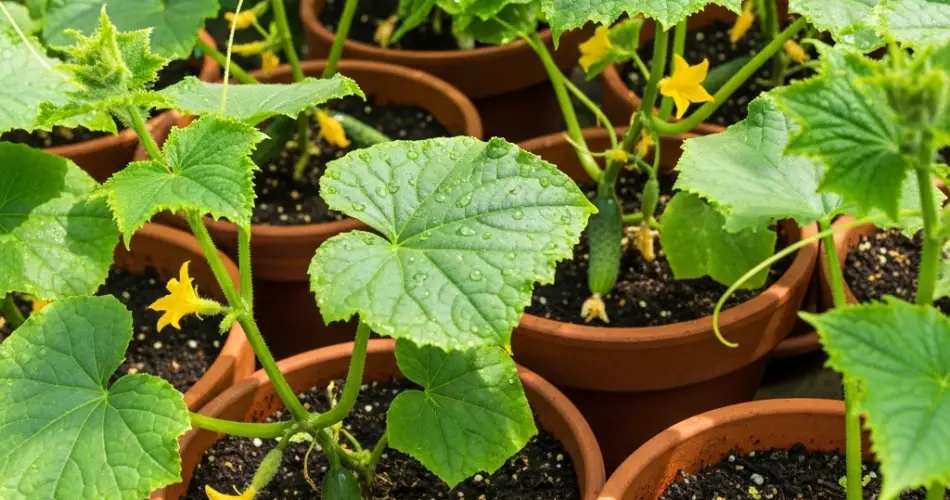
Vining cucumbers are a fantastic addition to any small-space garden, especially when grown in containers on patios, balconies, or terraces. These versatile vegetables are fast-growing, productive, and surprisingly easy to manage when provided with the right setup. With a little planning and vertical support, you can enjoy a steady supply of crisp cucumbers even if you don’t have traditional garden beds.
This guide walks you through everything you need to know about growing vining cucumbers in pots—from choosing the right container to harvesting your first crop.
Why Choose Vining Cucumbers for Containers?
While bush-type cucumbers are often recommended for small spaces, vining varieties can actually be better suited to container gardening when grown vertically. They produce longer vines, but when guided upward with trellises or stakes, they take up far less ground space than you’d expect. Plus, vertical growth improves air circulation, reduces the risk of disease, and makes harvesting easier.
Vining cucumbers also tend to be more productive over a longer period, offering continuous harvests throughout the season.
Choosing the Right Pot
Container size is critical for successful cucumber growth. Vining varieties need deep, spacious pots to support strong root systems and ample foliage.
Recommended container specifications:
-
Size: At least 5 gallons (19 liters) per plant
-
Depth: Minimum 12–14 inches
-
Material: Plastic, fabric grow bags, ceramic, or wood—just ensure good drainage
-
Drainage: At least 3–4 holes at the bottom to prevent waterlogging
Larger pots retain moisture better and allow for more extensive root growth, which leads to healthier, more productive plants.
The Right Potting Mix
Cucumbers thrive in rich, loose, well-draining soil. Use a high-quality potting mix that’s light and fertile. You can create an ideal mix by blending:
-
60% potting soil
-
20% compost or well-rotted manure
-
20% perlite or coconut coir for aeration
Avoid using garden soil alone—it tends to compact in containers and can carry pests or diseases.
Planting the Cucumbers
You can either start cucumber seeds directly in the pot or transplant seedlings once the weather warms. Cucumbers are heat-loving plants and should only be planted outdoors when the nighttime temperature consistently stays above 15°C (59°F).
Steps:
-
Fill your container with the prepared mix.
-
Plant 2–3 seeds about 1 inch deep, spacing them apart.
-
Once seedlings emerge and grow to 3–4 inches tall, thin out to leave only the strongest one.
-
If transplanting, dig a hole slightly larger than the root ball and gently place the seedling in.
Providing Vertical Support
Vining cucumbers need something to climb. Without vertical support, the vines will sprawl across your patio and be more prone to disease.
Support options include:
-
Trellises: Place a metal or bamboo trellis in the pot or against a nearby wall.
-
Stakes and netting: Tie soft garden twine between stakes to help the plant climb.
-
Cages or arches: Tomato cages can also support cucumber vines.
Train young vines early by gently tying them to the support structure. Once established, the tendrils will do most of the work.
Watering and Feeding
Container-grown cucumbers require consistent watering. Their shallow roots dry out quickly, especially during hot weather.
Watering tips:
-
Water deeply once a day during warm months.
-
Check moisture by sticking a finger 2 inches into the soil—if it’s dry, it’s time to water.
-
Avoid overhead watering to reduce the risk of mildew.
Feeding:
-
Apply a balanced liquid fertilizer (10-10-10 or similar) every 10–14 days.
-
When flowers begin to form, switch to a fertilizer higher in potassium to support fruit production.
Sunlight Requirements
Cucumbers love the sun. Place your pot in a location that gets at least 6 to 8 hours of full sunlight daily. South- or west-facing patios are ideal.
If you’re growing in a partially shaded area, choose compact vining varieties known to tolerate lower light and monitor growth closely.
Pests and Problems to Watch For
Container cucumbers are less prone to soil-borne issues, but pests and diseases can still appear.
Common pests:
-
Aphids
-
Whiteflies
-
Cucumber beetles
Treat infestations early with neem oil, insecticidal soap, or manual removal.
Diseases:
-
Powdery mildew
-
Downy mildew
Prevent by providing good airflow and avoiding wetting the foliage during watering.
Harvesting Cucumbers
Cucumbers are ready for harvest once they reach their full size, depending on the variety—typically between 6 to 8 inches long for slicing cucumbers.
-
Harvest every few days to encourage continuous production.
-
Use garden shears or scissors to avoid damaging the vines.
-
Don’t wait too long, as overripe cucumbers can become bitter and reduce future yields.
Final Tips
-
Rotate the pot every few days if sunlight is uneven.
-
Mulch the soil surface with straw or coconut husk to retain moisture.
-
Try succession planting with a second seedling mid-season for an extended harvest.
Growing vining cucumbers in patio pots is both practical and rewarding. With the right container, support system, and care routine, you can enjoy fresh cucumbers from your own vertical garden all season long. Whether in an urban balcony or a sunny deck, your space can become a productive, green haven with just a few pots and a bit of effort.


