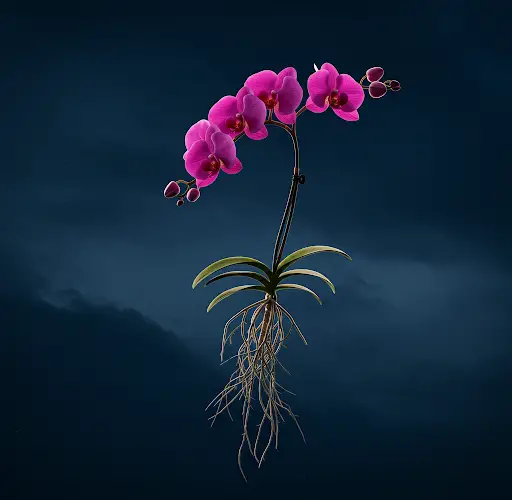
Restoring damaged orchids, especially those that have lost all their roots, requires patience and the right techniques. Today, I will share a simple yet highly effective method to help these orchids recover, quickly develop rhizomes, and grow healthier roots. With this straightforward approach, even orchids with no roots can regain their vitality and thrive once again.
Understanding the Challenge
When an orchid has no roots, its resistance to disease is significantly weakened, and it struggles to absorb enough nutrients to sustain its flowers. Therefore, to promote the orchid’s recovery, the first step is to cut off any flowers and damaged leaves. Removing these parts allows the plant to focus its energy on root development and overall health. Additionally, cleaning the base of the plant is essential to prevent infections and encourage new growth.
Preparing a Natural Treatment
One of the best natural treatments for orchids in distress is garlic-infused water. Garlic has strong antibacterial and antifungal properties that help protect the plant from harmful pathogens. To prepare this solution, take one small clove of garlic and add it to 400 ml of filtered water. Allow the garlic to infuse in the water for a few minutes, then strain the mixture to remove any solid particles.
If the orchid has torn or damaged leaves, trim them carefully with sterilized scissors. Once trimmed, dip a cotton pad or cloth into the garlic solution and gently wipe the remaining healthy leaves. This step helps the plant repel insects and prevents fungal diseases from spreading.
Soaking the Orchid
Next, place the base of the orchid into a container filled with the garlic water solution. Allow it to soak for about 30 minutes. This process helps to disinfect the base of the plant and encourages new root growth. Additionally, it provides an antibacterial and antifungal shield that protects the orchid from further infections.
Creating a Simple Growing Environment
To ensure the orchid continues to recover, you will need a plastic bottle to create a makeshift pot. Cut the bottle to keep only the bottom half, ensuring there is enough space for the orchid. Use small wooden sticks to fix the plant in place, preventing it from toppling over. Then, take soft and clean fabric or cotton pads and wrap them gently around the base of the plant. Leave the lower part of the plant exposed so that the roots can develop freely in the open air.
To improve ventilation, drill small holes in the sides of the plastic container. This will allow air to circulate, creating an ideal environment for new root growth. Next, wash some small pebbles and place them at the bottom of the container. The pebbles help to stabilize the pot and prevent water from accumulating around the base of the plant.
Maintaining Proper Moisture Levels
Once the setup is complete, pour a small amount of water into the container, ensuring that the water level is low enough to avoid submerging the orchid’s base. If the water gets dirty, replace it with fresh water to maintain hygiene. The fabric or cotton pad wrapped around the base will absorb moisture from the water, keeping the plant hydrated without making it overly wet.
Place the orchid in a cool, well-ventilated area with indirect sunlight. Bright but diffused light is crucial for photosynthesis and overall plant health. To further support hydration, mist the leaves with water every two days. This will help prevent dehydration and promote faster recovery. If misting is not an option, cover the plant with a plastic bag to minimize water evaporation from the leaves. This technique helps retain moisture and strengthens the leaves over time.
Monitoring Growth and Transplanting
After about three weeks, the orchid should start developing new roots. The base of the plant remains moist but not excessively wet, allowing for healthy root formation. If conditions are maintained well, the plant will continue to grow steadily. After approximately two months, the leaves will appear greener and more robust, while the newly formed roots will become stronger.
During this recovery phase, some of the older leaves may dry out and turn yellow. This is a natural process as the plant redirects its energy toward root and new leaf development. Once the roots are sufficiently strong, the orchid can be transplanted into a new pot with a suitable growing medium, such as pine bark or coconut husk.
Final Thoughts
With this simple yet effective method, orchids that have lost all their roots can be successfully revived. The combination of garlic-infused water for disinfection, proper moisture control, and a well-ventilated growing environment creates the ideal conditions for recovery. By following these steps, even severely damaged orchids can regain their strength, grow healthy roots, and eventually thrive again.
Patience and consistency are key when caring for orchids in distress. By providing the right care and monitoring their progress, you can bring these beautiful plants back to life and enjoy their lush green leaves and vibrant flowers once more.


