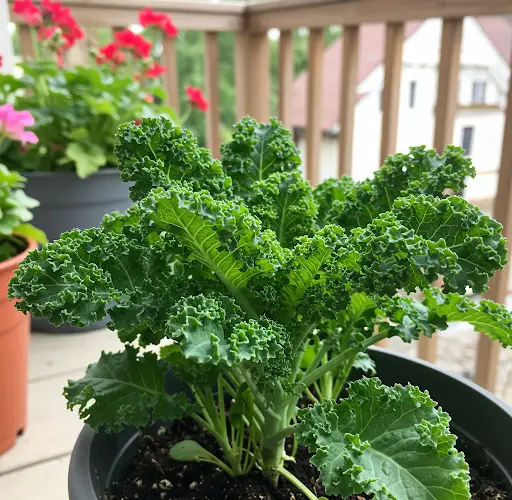
Growing Kale: A Nutritious and Easy-to-Grow Superfood
Kale is one of the most nutritious and delicious leafy greens, packed with vitamins, fiber, and antioxidants. It is also easy to grow, making it perfect for home gardens, balconies, and even small container gardens. Whether you are a beginner or an experienced gardener, growing kale at home will provide you with a constant supply of fresh, organic greens.
In this guide, we’ll explore the best methods for growing kale, how to care for it, and how to maximize your harvest for a bountiful and delicious yield.
1. Why Grow Kale?
Kale is not only easy to grow but also highly nutritious and versatile in cooking. Here’s why you should consider adding it to your garden:
✅ Rich in Nutrients – Kale is high in vitamins A, C, and K, calcium, and antioxidants, making it a superfood. ✅ Cold-Hardy – Unlike many vegetables, kale thrives in cool temperatures, and even becomes sweeter after a light frost. ✅ Fast Growing – You can start harvesting within a few weeks of planting. ✅ Low Maintenance – Kale requires minimal care and is relatively pest-resistant. ✅ Versatile in Cooking – Enjoy kale in salads, soups, smoothies, stir-fries, or as crispy kale chips.
2. Choosing the Right Type of Kale
There are several varieties of kale, each with unique flavors and textures. Some of the most popular ones include:
🥬 Curly Kale – The most common variety with ruffled leaves and a slightly peppery taste. 🥬 Lacinato (Dinosaur) Kale – Dark green, bumpy leaves with a milder flavor and tender texture. 🥬 Red Russian Kale – Features purple stems and tender, slightly sweet leaves. 🥬 Siberian Kale – Extremely hardy and ideal for growing in colder climates.
Select the variety that best suits your taste and climate for a successful harvest.
3. How to Grow Kale at Home
Step 1: Choosing the Right Location
- Kale thrives in full sun (6+ hours per day) but can also grow in partial shade.
- It grows well in raised beds, garden soil, or containers.
- If growing in a pot, choose one at least 12 inches deep to allow proper root growth.
Step 2: Preparing the Soil
- Kale prefers well-draining, fertile soil with plenty of organic matter.
- Ideal pH: 6.0–7.0 (slightly acidic to neutral).
- Mix compost or aged manure into the soil before planting.
Step 3: Planting Kale Seeds or Seedlings
- Direct Sowing: Plant seeds ¼ to ½ inch deep and 6–12 inches apart.
- Transplanting Seedlings: Space them about 12 inches apart to allow room for growth.
- Water well after planting.
4. Caring for Your Kale Plants
Watering
💧 Kale needs consistent moisture but should not be overwatered. 💧 Water 2–3 times per week, ensuring the soil remains damp but not soggy. 💧 Use mulch to help retain moisture and prevent weeds.
Fertilizing
🌱 Kale is a moderate feeder, so provide nutrients regularly. 🌱 Use a balanced fertilizer (such as 10-10-10) every 3–4 weeks. 🌱 Organic options include compost tea or fish emulsion.
Sunlight Needs
☀️ Kale grows best in full sun, but it can tolerate partial shade. ☀️ In hotter climates, provide light afternoon shade to prevent heat stress.
5. Common Kale Problems and How to Solve Them
🚨 Yellowing Leaves? – This may be due to nutrient deficiency. Add compost or balanced fertilizer. 🚨 Pest Infestation? – Common kale pests include aphids, cabbage worms, and flea beetles. Use neem oil or insecticidal soap. 🚨 Bolting (Flowering Too Soon)? – Happens due to hot temperatures. Grow kale in cool seasons and provide shade in summer. 🚨 Leaf Holes? – Likely caused by caterpillars or slugs. Handpick pests or use natural repellents.
6. Harvesting Kale for Maximum Yield
Kale is ready to harvest in about 6–8 weeks after planting. The best way to harvest kale is to pick the outer leaves first, allowing the center leaves to continue growing.
🔪 How to Harvest:
- Use scissors or your hands to snip mature leaves.
- Avoid cutting the top growing point to ensure continuous production.
- Regular harvesting encourages new growth and extends the plant’s lifespan.
🔪 Storage Tips:
- Store fresh kale in a plastic bag in the refrigerator for up to one week.
- For long-term storage, freeze kale or dehydrate it for kale chips.
7. Why You Should Grow Kale in Your Garden
Growing kale is one of the easiest and most rewarding gardening experiences. With minimal care, fast growth, and high nutritional value, kale is a must-have vegetable for any home gardener. Whether you have a large backyard, a small balcony, or just a few pots on a terrace, you can successfully grow kale year-round.
Key Takeaways:
✅ Choose the right variety of kale for your climate. ✅ Provide well-drained soil with plenty of organic matter. ✅ Keep the soil moist but not waterlogged. ✅ Harvest regularly to encourage continuous growth. ✅ Protect plants from pests and extreme temperatures.
With the right care, you’ll be able to enjoy a bountiful harvest of fresh, organic kale in no time. Try growing it at home, and you’ll never need to buy store-bought kale again! 🥬🌿


