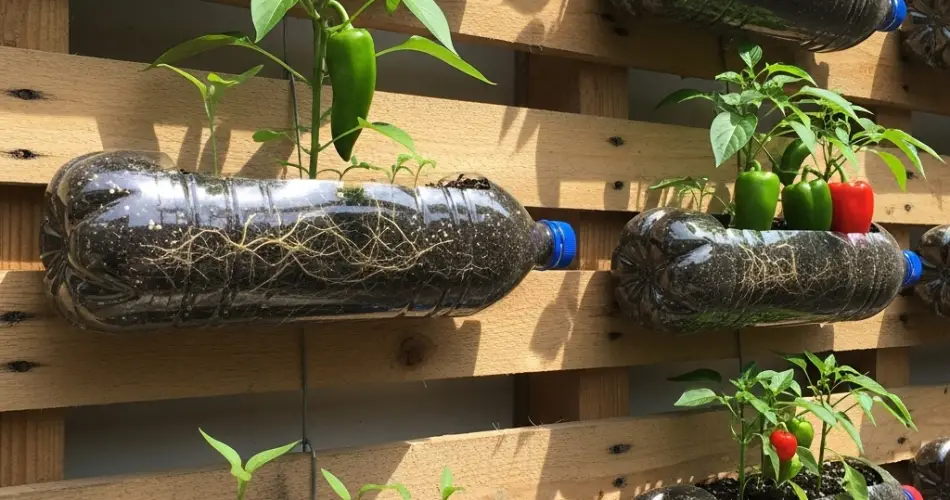
Growing peppers in a traditional garden bed can be rewarding, but what if you could transform an empty wall into a lush, productive pepper garden? Using a vertical greenhouse setup with plastic bottle planters, you can create a space-efficient and visually appealing growing area that yields fresh peppers right at arm’s reach. This method is perfect for small yards, balconies, patios, or urban spaces where horizontal gardening space is limited.
Why Choose a Vertical Greenhouse for Peppers?
Peppers thrive in warm, sunny conditions, making them an ideal crop for vertical growing. A wall-mounted system allows for excellent sunlight exposure, better air circulation, and more efficient watering compared to traditional beds. Using recycled plastic bottles as containers not only reduces waste but also gives each plant its own individual growing space, minimizing root competition and soil-borne disease risks.
A vertical greenhouse structure also acts as a shield against harsh winds or excessive rainfall, providing a more controlled microclimate for your plants. This means you can extend your growing season and enjoy fresh peppers for a longer period.
What You’ll Need
-
Empty 1.5–2-liter plastic bottles (one for each plant)
-
Sharp scissors or utility knife
-
Potting soil rich in organic matter
-
Pepper seeds or seedlings
-
Fertilizer (organic or balanced NPK formula)
-
Sturdy vertical frame, trellis, or wire mesh
-
String, zip ties, or hooks for mounting bottles
-
Watering can or drip irrigation system
Preparing the Bottle Planters
-
Cut the Bottle – Lay the bottle on its side and cut a rectangular opening along the middle, leaving enough space for soil and plant roots. The cap should stay on, but make a few small holes in it to allow for drainage.
-
Add Drainage Holes – Use the scissors or knife to poke extra holes at the base of the bottle so excess water can escape.
-
Mounting Points – Make two small holes near the top edge for attaching the bottle to the wall or frame with string or zip ties.
Setting Up the Vertical Wall
Attach your bottles to a sturdy frame, trellis, or directly onto a wall that receives at least 6–8 hours of sunlight per day. Arrange the bottles in staggered rows to ensure each plant gets enough light without shading the one below. Keep enough space between rows for proper airflow, which helps prevent fungal diseases.
Planting the Peppers
-
Prepare the Soil – Use a mix that drains well but retains enough moisture for consistent growth. A combination of garden soil, compost, and perlite works well.
-
Sow Seeds or Transplant Seedlings – If starting from seed, plant them about 0.5 cm deep in the soil and keep moist until they germinate. For seedlings, gently transfer them into the bottle’s soil cavity, taking care not to damage the roots.
-
Water Gently – Peppers prefer evenly moist soil. Water from above or install a drip system to maintain consistent hydration.
Caring for Wall-Grown Peppers
-
Sunlight – Position the wall where it receives maximum sun exposure; peppers love warmth.
-
Fertilizing – Feed plants with a balanced fertilizer every 2–3 weeks during the growing season.
-
Pruning – Remove lower leaves that yellow or show signs of disease to encourage better airflow.
-
Support – As peppers grow, they may become heavy. Use soft ties to secure stems to the bottle’s edge or the wall to prevent breakage.
Harvesting and Enjoying Your Peppers
Most pepper varieties are ready for harvest 60–90 days after transplanting. You can pick them green for a milder flavor or wait until they turn red, yellow, or orange for a sweeter, more complex taste. Regular harvesting encourages the plant to produce more fruit.
Benefits of Bottle Wall Pepper Growing
-
Space Saving – Ideal for small or urban areas.
-
Eco-Friendly – Repurposes plastic bottles into functional planters.
-
Aesthetic Appeal – A green, vibrant wall becomes a natural décor feature.
-
Easy Maintenance – Wall-level access makes watering, pruning, and harvesting more convenient.
Final Tips for Success
Keep an eye out for common pepper pests like aphids and spider mites; treat infestations early with organic solutions such as neem oil. During extremely hot weather, provide temporary shade to prevent sunscald on fruits. Rotate the bottles or swap plant positions occasionally if some spots receive less light.
By combining the benefits of vertical gardening with the resourcefulness of bottle planters, you can enjoy a steady supply of homegrown peppers while turning a bare wall into a living, edible masterpiece.


