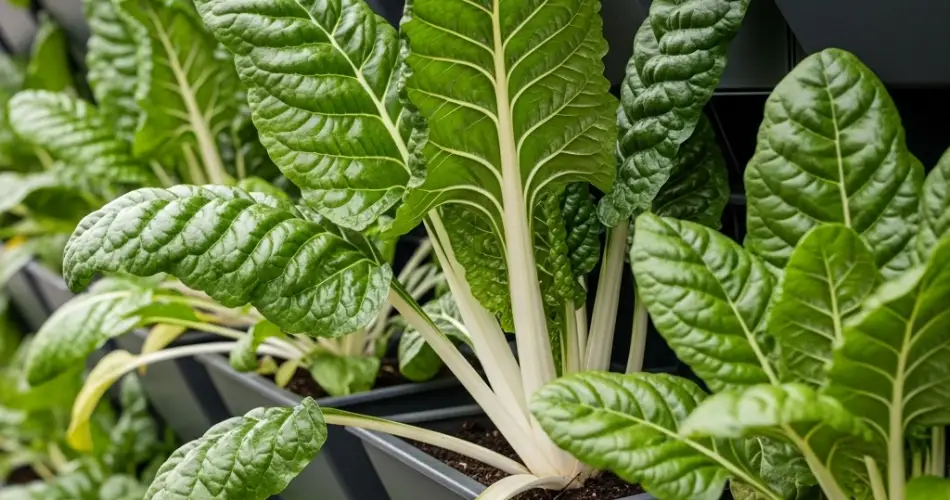
Swiss chard is not only a vibrant, nutritious leafy green—it’s also surprisingly easy to grow, even if you’re short on space. With its brightly colored stems and lush foliage, it makes an ideal candidate for vertical gardening. And when you combine that with the use of recycled plastic bottles, you get an eco-friendly, space-saving solution that allows you to grow fresh greens right on your wall, balcony, or fence.
Vertical gardening using bottles is a practical method for small-space gardening. It reduces clutter, maximizes sun exposure, and adds a decorative green wall effect. Here’s how you can create your own vertical Swiss chard garden using plastic bottles.
Why Swiss Chard Is Perfect for Vertical Bottle Gardening
Swiss chard thrives in containers thanks to its:
-
Shallow root system, making it ideal for limited soil space.
-
Tolerance to different light conditions, from full sun to partial shade.
-
Attractive appearance, especially when growing rainbow varieties.
-
Ability to regrow after harvest, making it ideal for repeated picking.
Its upright growth makes it easy to manage in stacked or wall-mounted containers, and with the right care, you can enjoy months of fresh leaves from even a small number of plants.
Materials You’ll Need
To get started, gather the following:
-
Several clean 1.5- to 2-liter plastic bottles
-
A utility knife or strong scissors
-
A drill or heated nail for making holes
-
Zip ties, twine, or garden wire
-
A fence, wooden frame, pallet, or mesh panel for mounting
-
Good quality potting soil enriched with compost
-
Swiss chard seeds or seedlings
-
A watering can or spray nozzle
This setup is flexible—you can hang the bottles vertically, arrange them horizontally, or create a grid pattern depending on your available space.
Preparing the Bottles
-
Clean each bottle and remove any labels.
-
Cut a rectangular window into one side of each bottle. This will be the opening for planting.
-
Poke drainage holes in the bottom using a drill or heated nail.
-
If you’re hanging the bottles vertically, make two small holes near the top on opposite sides for string or wire.
Make sure the bottle openings face outward and that each planter is easily accessible for watering and harvesting.
Assembling the Vertical Garden
Choose a sunny location with at least 4–6 hours of sunlight per day. Swiss chard grows best in cooler temperatures but still benefits from good light exposure.
Use zip ties, wire, or twine to fasten the bottles to your chosen structure. A wooden pallet leaned against a wall works well for vertical gardens. A balcony railing or chain-link fence also makes an excellent frame. Make sure the bottles are secured tightly and spaced to allow air circulation and room for leaf growth.
Planting and Soil Preparation
Fill each bottle with light, well-draining potting soil mixed with compost or worm castings. Swiss chard needs nutrients for strong leaf production, so enriching the soil is important.
-
For seeds: Sow 2–3 seeds per bottle, about ½ inch deep. Once seedlings emerge, thin them out to the healthiest one or two plants.
-
For seedlings: Carefully transplant them into each bottle and firm the soil gently around the base.
After planting, water well and place your structure where it gets consistent morning sun and some afternoon shade, especially in hot climates.
Care and Maintenance
-
Water regularly—bottle containers dry out faster than ground soil. Check moisture daily and water when the top inch of soil feels dry.
-
Apply a balanced organic liquid fertilizer every 2–3 weeks to support growth.
-
Remove any yellowing or damaged leaves to keep plants healthy.
-
Watch for pests like aphids or leaf miners and remove them by hand or use a natural pest deterrent like neem oil.
Swiss chard is a hardy crop, but it appreciates cooler temperatures. In warmer months, protect the plants from excessive heat using shade cloth or by positioning your bottle wall where it gets indirect light during the hottest part of the day.
Harvesting Swiss Chard
You can begin harvesting Swiss chard about 6–8 weeks after planting, depending on the variety and growing conditions. Harvest by cutting the outer leaves near the base with scissors, leaving the central growth point untouched. This method allows the plant to continue producing new leaves.
Regular harvesting encourages new growth and keeps the plant productive for several months. If any plant begins to bolt (send up a flower stalk), remove it and replant a new seedling.
Recommended Swiss Chard Varieties
These varieties perform especially well in containers and vertical gardens:
-
Bright Lights: A rainbow of stem colors—highly decorative and flavorful.
-
Fordhook Giant: Big, glossy green leaves and thick white stems.
-
Rhubarb Chard: Deep green leaves with vibrant red stalks.
Final Thoughts
Vertical gardening with plastic bottles is a simple and sustainable way to grow Swiss chard in tight spaces. It combines recycling, gardening, and creativity into one efficient system. Whether you’re working with a small patio or a bare wall, this method helps you turn everyday waste into a thriving garden that’s both beautiful and productive.
Try building your own bottle wall garden today—and enjoy fresh, homegrown Swiss chard within arm’s reach.


