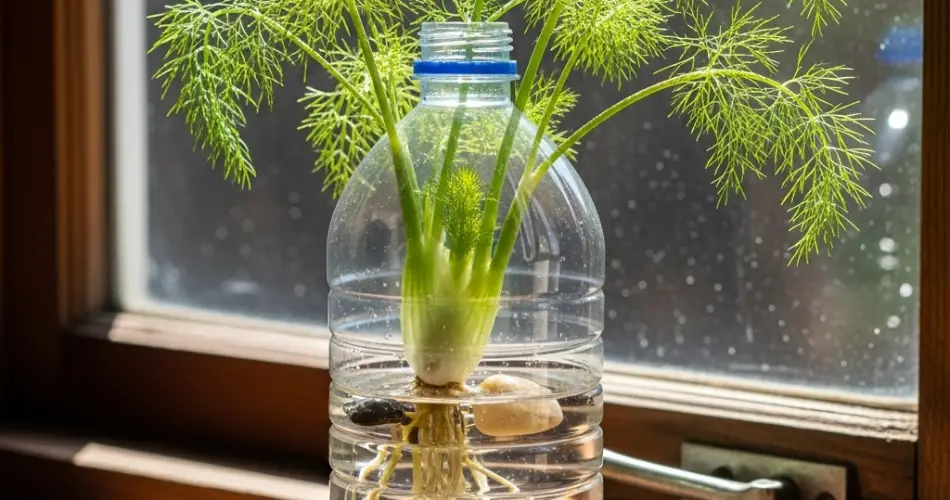
Fennel (Foeniculum vulgare) is a flavorful and aromatic plant known for its feathery leaves, bulbous base, and sweet, anise-like flavor. Widely used in cooking, teas, and natural remedies, fennel offers both culinary and aesthetic appeal. While many gardeners assume it requires a large garden bed, fennel can thrive in vertical bottle planters, making it a fantastic choice for compact spaces like balconies, patios, or sunny walls.
This method transforms recycled plastic bottles into practical growing vessels, creating a vertical system that’s sustainable, affordable, and ideal for small-space gardening. Here’s how you can grow your own fennel at home using this space-saving setup.
Why Grow Fennel in Vertical Bottle Planters?
Vertical gardening with bottles offers several key benefits:
-
Saves space: Ideal for apartments, balconies, or small patios.
-
Reuses plastic: Reduces waste by giving bottles a second life.
-
Accessibility: Easier to harvest and monitor plant health.
-
Visual appeal: Creates an attractive living wall of green.
Fennel’s upright growth habit and light root system make it well-suited for vertical containers when properly supported.
Materials You’ll Need
-
Several clear or opaque plastic bottles (1 to 2 liters each)
-
Scissors or a utility knife
-
Nail or skewer for poking drainage holes
-
String, wire, or hooks for vertical mounting
-
High-quality potting mix
-
Fennel seeds or seedlings
-
Watering can or spray bottle
-
Optional: compost or slow-release fertilizer
Step 1: Prepare the Bottles
Choose bottles with enough height to allow for root development. Clean them thoroughly and remove labels. Cut a U-shaped or rectangular window on one side of each bottle — large enough to plant and access the fennel.
Next, poke several small drainage holes in the bottom of each bottle to prevent water from pooling. This is crucial to avoid root rot, especially in stacked or wall-mounted systems.
If you’re mounting the bottles vertically on a wall, make two small holes near the top and bottom sides to thread wire, string, or zip ties through for hanging. Arrange the bottles in a staggered layout so that upper bottles don’t drip directly into the ones below.
Step 2: Prepare the Soil
Fennel grows best in well-draining, nutrient-rich soil. Use a potting mix with added compost or a blend of peat, perlite, and garden soil. You can enhance it further with a handful of worm castings or organic slow-release fertilizer.
Fill each bottle with soil up to about an inch below the planting window. This leaves room for watering and top-dressing with compost later.
Step 3: Planting Fennel
You can grow fennel from seed or transplant young seedlings into your vertical bottle planters.
-
From seed: Sow 1–2 seeds per bottle, about ¼ inch deep. Keep the soil moist until germination occurs, usually within 7–10 days.
-
From seedlings: Gently remove from the nursery pot and plant into the bottle opening, firming the soil around the roots.
Water gently after planting to help settle the soil and remove air pockets.
Step 4: Placement and Sunlight
Fennel needs full sun, at least 6 hours of direct sunlight per day. Mount your vertical bottle planter on a south- or west-facing wall or railing. Indoors, a sun-drenched windowsill may work if light is sufficient.
For best results, rotate the planters every few days (if movable) to ensure even growth, especially if one side gets more sun.
Step 5: Watering and Feeding
Keep the soil consistently moist but not waterlogged. Bottles can dry out quickly, especially in warm weather, so regular checking is important.
Water when the top inch of soil feels dry. Use a narrow-spout watering can or spray bottle for better control. Ensure excess water drains freely from the holes at the bottom.
Feed with a balanced liquid fertilizer every 2–3 weeks during the growing season. Alternatively, sprinkle a slow-release organic fertilizer into the soil mix at planting time.
Step 6: Supporting Growth
As fennel grows, its feathery foliage and developing bulbs can become top-heavy. Support may be needed to keep the plant upright:
-
Use garden twine tied to nearby hooks or railings.
-
Insert a small bamboo skewer or stick inside the bottle as a support stake.
-
Harvest early to avoid bulky overgrowth in limited space.
Step 7: Harvesting Fennel
There are two parts of fennel you can harvest:
-
Leaves: Snip the feathery greens regularly for salads, soups, or garnishes.
-
Bulbs: Wait until the bulb is about the size of a tennis ball. Cut it at the soil line, leaving the roots in place.
You can also allow the plant to flower if you’re interested in collecting seeds for spice or future planting.
Tips for Success
-
Avoid overcrowding; grow one fennel plant per bottle for best results.
-
Keep an eye out for aphids or whiteflies — treat early with neem oil or soapy water.
-
Don’t transplant fennel repeatedly — it dislikes root disturbance.
-
Refresh soil between plantings to maintain fertility.
Final Thoughts
Growing fennel in vertical bottle planters is a smart, sustainable way to enjoy this flavorful herb in even the smallest of spaces. With a few recycled materials and some care, you can create an efficient vertical garden that not only reduces waste but also adds fresh ingredients to your kitchen. Whether you’re after crisp bulbs, feathery fronds, or aromatic seeds, this method makes fennel gardening accessible to all.


