Are you looking for a simple, natural way to boost your plants’ health and growth without resorting to chemical fertilizers? The good news is you don’t need expensive products or complicated mixtures to give your garden the nutrients it needs. With just one application of this homemade organic fertilizer, you will notice an immediate difference in the vigor and vitality of your plants.
In this article, we’ll guide you through how to make and use a powerful, easy-to-prepare organic fertilizer at home. It’s perfect for urban gardens, houseplants, vegetable patches, or flower beds — and it’s safe, eco-friendly, and budget-friendly.
Why Choose Organic Homemade Fertilizer?
Many commercial fertilizers contain synthetic chemicals that can harm beneficial soil organisms, pollute water sources, and sometimes even weaken plants over time. Organic fertilizers, on the other hand, provide natural nutrients slowly, improving soil health and encouraging stronger, healthier plant growth.
Homemade organic fertilizers utilize kitchen scraps, natural ingredients, and simple processes to enrich soil with nitrogen, phosphorus, potassium, and trace minerals essential for plants. They feed the soil microbes, enhance moisture retention, and promote sustainable gardening.
What Makes This Fertilizer Special?
This organic fertilizer combines common household ingredients that work synergistically to:
-
Stimulate root growth
-
Improve leaf and flower development
-
Enhance fruit and vegetable production
-
Boost overall plant immunity
The best part? You only need to apply it once, and you’ll see the results almost immediately — greener leaves, sturdier stems, and more vibrant blooms.
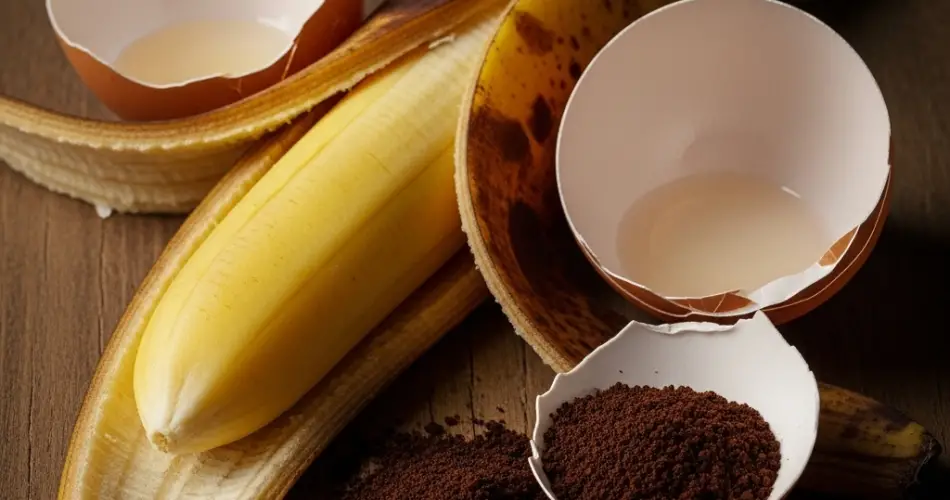
Ingredients You’ll Need
-
Banana peel
-
Eggshells
-
Coffee grounds
-
Water
-
Optional: a handful of dried herbs or seaweed powder for extra nutrients
These ingredients are rich in potassium, calcium, nitrogen, and other vital minerals that plants love.
How to Prepare the Organic Fertilizer
Step 1: Prepare the Ingredients
Chop banana peels and crush eggshells into small pieces. Collect used coffee grounds from your morning brew.
Step 2: Combine and Blend
Place the banana peels, eggshells, and coffee grounds into a blender or food processor. Add about 1 liter (4 cups) of water.
Step 3: Blend Until Smooth
Blend everything until you get a smooth liquid mixture. If you prefer, you can leave some small particles, as they will break down quickly once applied to soil.
Step 4: Optional Boost
For extra nutrients, add dried herbs like nettle or comfrey leaves, or a teaspoon of seaweed powder before blending.
How to Use Your Homemade Fertilizer
For Potted Plants:
Pour about 1/4 cup of the fertilizer mixture around the base of each plant. Water afterward to help the nutrients soak into the soil.
For Garden Beds or Vegetable Patches:
Dilute the mixture by adding more water — about 1 part fertilizer to 3 parts water — then apply evenly around the plants. This prevents any risk of overfeeding and ensures nutrients distribute well.
Frequency:
Use this fertilizer once every 2-3 weeks during the growing season. You can also apply it once and observe the immediate benefits, especially if your plants have been lacking nutrients.
What to Expect After Application
After just one application, you’ll notice your plants looking healthier and more vibrant. Leaves will appear greener and fuller, stems stronger and more upright. Flowering plants will show brighter blooms, and fruit-bearing plants will start developing fruit more robustly.
Because this fertilizer feeds the soil biology as well as the plants directly, its benefits extend beyond just one application. Over time, your soil will become richer, supporting long-term plant health.
Additional Tips for Best Results
-
Use fresh ingredients: For best nutrient content, use fresh banana peels, eggshells, and coffee grounds rather than old or moldy scraps.
-
Adjust watering: After fertilizing, make sure plants receive adequate water, but avoid overwatering.
-
Monitor plant response: Different plants have different nutrient needs. Observe how your plants respond and adjust the fertilizer amount or frequency accordingly.
-
Combine with good soil practices: Organic fertilizer works best when combined with good soil aeration, mulching, and proper sunlight exposure.
Benefits of This Organic Fertilizer
-
Safe for all plants: This natural fertilizer is gentle and safe for indoor plants, vegetables, fruits, and ornamentals.
-
Eco-friendly: Reduces kitchen waste by repurposing scraps and avoids chemical runoff.
-
Cost-effective: You don’t need to buy expensive fertilizers when you have these ingredients at home.
-
Boosts soil health: Encourages beneficial microbes that improve soil structure and nutrient availability.
-
Immediate and lasting effects: Plants respond quickly but benefit from the long-term soil enrichment.
Common Questions
Can I store this fertilizer?
Yes, keep it refrigerated in a sealed container and use within a week for best results.
Will it attract pests?
Since the mixture is diluted and applied directly to soil, it typically does not attract pests. Avoid leaving uncovered scraps on plant surfaces.
Is it safe for edible plants?
Absolutely! This fertilizer is perfect for vegetables, herbs, and fruits, making your homegrown produce healthier.
Final Thoughts
If you want an easy, natural way to enhance your plants’ growth and health, this homemade organic fertilizer is an excellent solution. By recycling common kitchen ingredients, you create a nutrient-rich boost that your plants will love — and you’ll see the difference after just one use!
Try it today and enjoy a thriving garden or lush houseplants without harmful chemicals or costly products. The best part is knowing you’re helping the environment while giving your plants exactly what they need to flourish.


