Every gardener dreams of having lush, vibrant plants that grow strong and healthy. Whether you’re tending to houseplants, flowers, or a vegetable garden, giving your plants the right nutrition is key to success. But commercial fertilizers can be costly and sometimes contain harmful chemicals that aren’t great for the environment or your plants in the long run.
That’s why homemade organic fertilizers have become increasingly popular among gardeners who want natural, sustainable ways to nurture their plants. The best part? You only need to apply this simple homemade fertilizer once to see a noticeable difference in your plants’ health and growth.
In this article, we’ll show you how to make and use a powerful organic fertilizer using common household ingredients. It’s easy to prepare, completely natural, and offers your plants an immediate nutrient boost.
Why Choose Organic Homemade Fertilizer?
Organic fertilizers nourish the soil and plants by providing essential nutrients like nitrogen, potassium, phosphorus, and calcium in a natural form. Unlike synthetic fertilizers that can cause chemical build-up and harm beneficial soil life, organic fertilizers improve soil health by encouraging microbial activity and increasing organic matter.
Using kitchen scraps and natural ingredients to make fertilizer reduces waste and supports sustainable gardening practices. It’s also safer for pets, children, and pollinators like bees and butterflies.
Key Ingredients for This Homemade Fertilizer
For this effective fertilizer, you’ll need a few simple ingredients you likely already have at home:
-
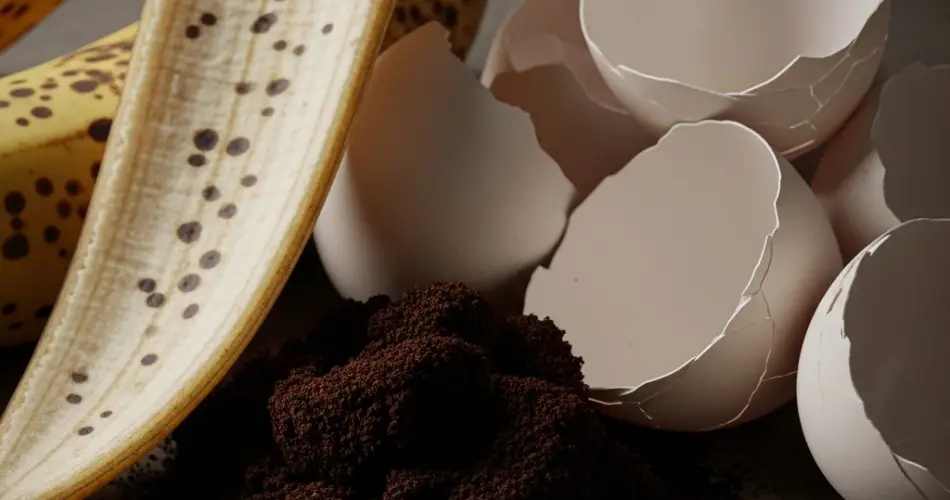
Banana peels: Rich in potassium and phosphorus, which promote flowering and fruiting.
-
Eggshells: A great source of calcium that strengthens cell walls and prevents blossom-end rot in vegetables like tomatoes.
-
Used coffee grounds: Provide nitrogen, which helps leaves grow lush and green.
-
Water: To blend everything into a nutrient-rich liquid fertilizer.
Optional additions include dried herbs or seaweed powder, which can add trace minerals and further enrich your fertilizer.
How to Prepare the Fertilizer
-
Gather and prepare ingredients: Chop banana peels into small pieces and crush eggshells into powder or small fragments. Collect used coffee grounds after brewing.
-
Blend ingredients: Place banana peels, eggshells, and coffee grounds into a blender or food processor. Add about 1 liter (4 cups) of water.
-
Create the fertilizer mix: Blend until smooth. You can leave small pieces if you prefer, as they will break down once applied to the soil.
-
Optional boost: Add dried nettle leaves, comfrey, or a teaspoon of seaweed powder for extra nutrients before blending.
How to Use the Homemade Fertilizer
-
For potted plants: Pour approximately 1/4 cup of the fertilizer mixture around the base of each plant. Follow with watering to help nutrients soak into the soil.
-
For garden beds or vegetable patches: Dilute the mixture by mixing one part fertilizer to three parts water. Apply evenly around your plants to avoid overfeeding.
-
Frequency: Use once every two to three weeks during the growing season. Many gardeners see noticeable improvements after just a single application.
What to Expect After Application
After applying this fertilizer, your plants should display immediate signs of improved health:
-
Leaves become greener and fuller
-
Stems grow stronger and more resilient
-
Flowering plants produce more abundant and vibrant blooms
-
Fruit plants develop healthier, larger fruit
Because this fertilizer nourishes the soil microbes as well, it supports long-term soil fertility and plant vitality.
Additional Tips for Best Results
-
Use fresh banana peels and eggshells for maximum nutrient content.
-
Avoid leaving large peels on the soil surface, as this may attract pests. Bury chopped peels or blend them as described.
-
Water plants adequately after fertilizing but avoid overwatering.
-
Adjust frequency based on how your plants respond — some may benefit from more frequent feedings.
-
Combine this fertilizer with good gardening practices like mulching, soil aeration, and proper sunlight.
Benefits of Using This Organic Fertilizer
-
Safe for all plants: Suitable for flowers, vegetables, fruits, and indoor plants.
-
Environmentally friendly: Recycles kitchen waste and reduces chemical runoff.
-
Cost-effective: Uses ingredients you already have, eliminating the need for expensive store-bought fertilizers.
-
Boosts soil health: Enhances soil structure and microbial activity for long-term benefits.
-
Immediate and lasting: Plants respond quickly, and the soil improves over time.
Frequently Asked Questions
Can I store this fertilizer?
Yes. Store in a sealed container in the refrigerator for up to one week to maintain freshness.
Will it attract insects or pests?
Properly diluted and applied fertilizer typically does not attract pests. Avoid leaving scraps on plant leaves or soil surface.
Is this safe for edible plants?
Definitely. It’s an excellent natural fertilizer for vegetables, herbs, and fruit-bearing plants.
Final Thoughts
Using this homemade organic fertilizer is one of the easiest and most effective ways to support your plants’ health naturally. It’s affordable, sustainable, and delivers nutrients that your plants need right away. Try applying it once and watch your plants transform with greener leaves, stronger stems, and more abundant flowers or fruit.
By embracing natural gardening techniques like this, you can enjoy a thriving garden while reducing waste and protecting the environment.
Start making your own fertilizer today and see the immediate difference it makes!


