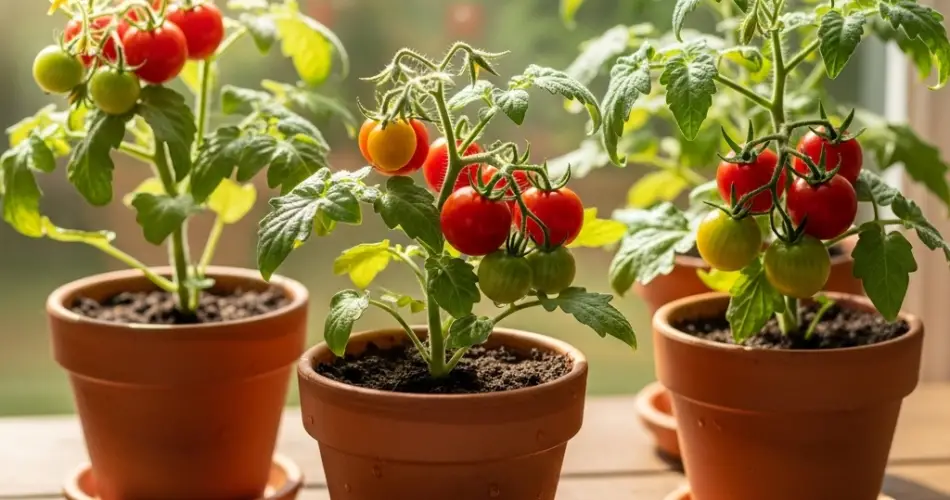
Tomatoes are one of the most rewarding crops to grow at home, and with the right approach, they can thrive even in containers. Whether you’re gardening on a balcony, patio, or sunny windowsill, growing tomatoes in pots offers flexibility, convenience, and fresh, flavorful harvests just steps from your kitchen.
This complete guide covers everything you need to know to grow healthy, productive tomato plants in containers—from choosing the right variety to harvesting juicy fruit.
Step 1: Choose the Right Tomato Variety
When growing tomatoes in pots, selecting the appropriate variety is the first step to success. Tomatoes are typically categorized into two main growth types:
-
Determinate (bush) varieties grow to a fixed size and produce all their fruit over a short period. They’re compact and ideal for small pots.
-
Indeterminate (vining) varieties keep growing and producing fruit throughout the season. They require more support and space but offer longer harvests.
Popular compact varieties for containers include:
-
‘Tiny Tim’ (cherry)
-
‘Patio Princess’
-
‘Bush Early Girl’
-
‘Balcony’
For larger containers and vertical setups, consider:
-
‘Sungold’
-
‘Juliet’
-
‘Cherokee Purple’
-
‘Roma’
Step 2: Use the Right Container
Tomato roots need space to grow, so choose a container that holds at least 5 gallons (20 liters) of soil per plant. Bigger is better. The pot should be:
-
At least 12 inches deep and wide
-
Made of durable material like plastic, ceramic, terracotta, or fabric
-
Equipped with drainage holes to prevent root rot
For indeterminate types, use larger containers (minimum 10 gallons) to support the plant’s extensive root system.
Step 3: Fill with Quality Potting Mix
Avoid garden soil—it’s too heavy and can harbor pests or diseases. Instead, use a light, nutrient-rich potting mix specifically formulated for vegetables or containers. A good tomato soil mix includes:
-
High-quality potting soil
-
Compost or well-rotted manure for fertility
-
Perlite or coco coir for aeration and moisture retention
Before planting, mix in a slow-release fertilizer or tomato-specific food to give your plant a nutritional head start.
Step 4: Plant Properly
When transplanting tomato seedlings into pots:
-
Remove lower leaves from the stem
-
Plant deep, burying the stem up to just below the top leaves
Tomatoes grow roots along buried stems, encouraging a stronger root system. Firm the soil gently around the base and water thoroughly.
Step 5: Provide Support
Tomatoes in pots still need sturdy support, especially indeterminate types. Add a cage, stake, or trellis at planting time to avoid damaging roots later.
As the plant grows, tie the main stem loosely to the support using soft ties, cloth strips, or garden twine. Keep the plant upright and well-structured to improve air circulation and fruit quality.
Step 6: Water Consistently
Tomatoes in containers dry out faster than in-ground plants. Consistent watering is essential:
-
Water when the top inch of soil feels dry
-
Water deeply so moisture reaches the roots
-
Avoid letting the soil dry out completely or become waterlogged
Mulching with straw or shredded leaves helps retain moisture and regulate soil temperature. Self-watering containers can also help maintain steady hydration.
Step 7: Feed Throughout the Season
Tomatoes are heavy feeders. After the initial slow-release fertilizer, feed regularly using a balanced or tomato-specific liquid fertilizer every 10–14 days. As fruits start forming, switch to a formula higher in potassium and phosphorus to support ripening.
Avoid overfeeding with nitrogen-rich fertilizer, which can result in lush foliage but fewer fruits.
Step 8: Prune and Monitor
Keep your plant healthy and productive with basic maintenance:
-
Pinch off suckers (side shoots between main stem and leaf branches) to encourage fruiting
-
Remove yellowing or lower leaves to improve airflow
-
Prune lightly to keep the plant open and manageable
Check regularly for pests like aphids, whiteflies, or hornworms. Use organic insecticidal soap or neem oil to manage infestations.
Step 9: Harvest and Enjoy
Tomatoes are ready to harvest when they reach full color, feel slightly soft to the touch, and detach easily from the stem. Different varieties mature at different rates, typically 60 to 90 days after transplanting.
Harvest frequently to encourage more fruit production and avoid overripening on the vine.
Final Tips for Success
-
Rotate containers occasionally for even sun exposure
-
Clean pots between plantings to prevent disease carryover
-
Refresh soil each season to maintain fertility
-
Bring containers indoors or under shelter in case of heavy rain or extreme heat
With the right container, quality soil, regular care, and sunshine, tomatoes grown in pots can be just as prolific as those in garden beds. Whether you’re short on space or simply want fresh tomatoes at your doorstep, container gardening offers a flexible and satisfying way to enjoy homegrown goodness all season long.


