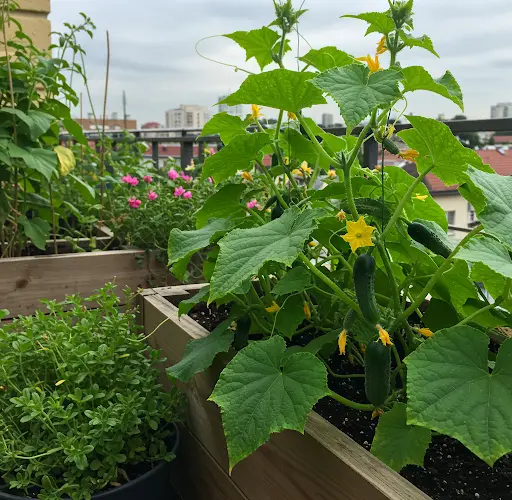
Tips for Growing Cucumbers on Terraces and Balconies for High Yield
Growing cucumbers in small spaces like terraces and balconies is an excellent way to enjoy fresh, organic produce right at home. With proper planning and care, you can achieve a high yield even in limited space. Cucumbers are fast-growing, highly productive, and perfect for container gardening. This guide provides essential tips for successfully growing cucumbers on terraces and balconies to maximize your harvest.
1. Choosing the Right Cucumber Variety
Not all cucumber varieties are suited for small-space gardening. Selecting the right type will ensure better growth and higher yield.
Best Cucumber Varieties for Terrace and Balcony Gardening:
- Bush Cucumbers: Compact plants ideal for containers (e.g., Spacemaster, Bush Champion).
- Vining Cucumbers: Require vertical support but yield more fruit (e.g., Poinsett 76, Marketmore 76).
- Mini or Snack Cucumbers: Small-sized cucumbers perfect for limited spaces (e.g., Patio Snacker, Baby Persian).
- Parthenocarpic Cucumbers: Self-pollinating and do not require bees (e.g., Socrates, Diva).
2. Selecting the Best Containers for Cucumbers
Using the right type and size of container ensures healthy root development and abundant harvests.
- Size: At least 12-18 inches deep to allow proper root growth.
- Material: Plastic, ceramic, or fabric grow bags work well, but ensure proper drainage.
- Drainage Holes: Essential to prevent waterlogging and root rot.
- Trellis Support: If growing vining cucumbers, use stakes, a wire cage, or a bamboo trellis.
3. Soil and Fertilization for Maximum Growth
Cucumbers thrive in nutrient-rich, well-draining soil with a slightly acidic to neutral pH (6.0-7.0).
How to Prepare the Best Soil for Cucumbers:
- Use high-quality potting mix or prepare a soil blend with equal parts garden soil, compost, and coconut coir.
- Add organic matter such as banana peels, eggshells, or coffee grounds for nutrients.
- Mix in slow-release organic fertilizers like compost, well-rotted manure, or vermicompost.
Natural Fertilizers for High Yield:
- Banana Peel Tea: Boosts potassium for strong fruit development.
- Eggshell Powder: Provides calcium to prevent blossom-end rot.
- Fish Emulsion or Seaweed Extract: Encourages faster growth and more flowers.
4. Proper Planting Techniques for Terrace Cucumbers
Cucumbers can be grown from seeds or seedlings. Direct sowing in containers is the most effective method.
How to Plant Cucumber Seeds in Containers:
- Plant Seeds: Sow 2-3 seeds per container at a depth of ½ inch.
- Spacing: If growing multiple plants, keep at least 12 inches apart.
- Water Gently: Keep the soil consistently moist but not soggy.
- Germination: Seeds will sprout within 5-10 days in warm temperatures.
- Thin Seedlings: Once they develop 2-3 true leaves, keep the strongest plant per pot.
5. Providing Optimal Growing Conditions
For cucumbers to thrive in a terrace or balcony setting, they need the right amount of sunlight, water, and temperature control.
Sunlight Requirements:
- Cucumbers need at least 6-8 hours of direct sunlight daily.
- If sunlight is insufficient, use LED grow lights to supplement light.
Watering Techniques:
- Water deeply but avoid overwatering.
- Use a self-watering container or mulch to retain moisture.
- Water early in the morning to prevent fungal diseases.
Temperature and Humidity:
- Cucumbers grow best in temperatures between 70-85°F (21-29°C).
- Protect from strong winds and excessive heat by providing shade during extreme temperatures.
6. Supporting Vining Cucumbers for Better Yield
If growing vining cucumber varieties, vertical gardening is the key to maximizing yield in small spaces.
DIY Trellis Ideas:
- Bamboo or Wooden Stakes: Place them inside the pot for upward growth.
- Wall-Mounted Netting: Attach mesh or netting to a wall or railing for easy climbing.
- Hanging Planters: Train vines to grow downwards from a hanging pot.
7. Pollination and Flowering Tips
Proper pollination is essential for fruit development. While parthenocarpic varieties do not require pollination, other types need assistance.
How to Ensure Pollination:
- Hand Pollination: Use a small brush or cotton swab to transfer pollen between flowers.
- Encourage Pollinators: Place small flowering plants like basil or marigolds nearby.
- Shake the Plant: Gently shake flowers in the morning to aid natural pollination.
8. Common Cucumber Pests and Natural Solutions
Growing cucumbers in small spaces reduces pest problems, but occasional infestations can still occur.
Common Pests and How to Control Them:
- Aphids: Spray soapy water or neem oil to deter them.
- Cucumber Beetles: Handpick and use floating row covers.
- Powdery Mildew: Avoid overhead watering and improve air circulation.
- Spider Mites: Mist leaves with water and introduce ladybugs as natural predators.
9. Harvesting Cucumbers for Best Flavor and Yield
Harvesting cucumbers at the right time ensures they are crisp and sweet.
How to Harvest Cucumbers:
- Pick when they are 6-8 inches long (depends on the variety).
- Cut using scissors or a sharp knife to avoid damaging the plant.
- Harvest every 2-3 days to encourage continuous production.
- Store cucumbers in a cool, humid place for longer freshness.
10. Bonus Tips for Continuous High Yield
- Prune Regularly: Remove yellowing leaves and weak side shoots.
- Rotate Plants: If reusing containers, change soil every season.
- Train Vines Properly: Encourage vertical growth for better airflow and sunlight exposure.
- Feed Plants Every 2 Weeks: Use diluted organic liquid fertilizers for consistent growth.
Conclusion
Growing cucumbers on terraces and balconies is easy and rewarding with the right techniques. By choosing suitable varieties, using proper containers, optimizing watering, and providing vertical support, you can enjoy a high-yield cucumber harvest even in small spaces. Start your own cucumber garden today and enjoy fresh, organic produce from your own home!


