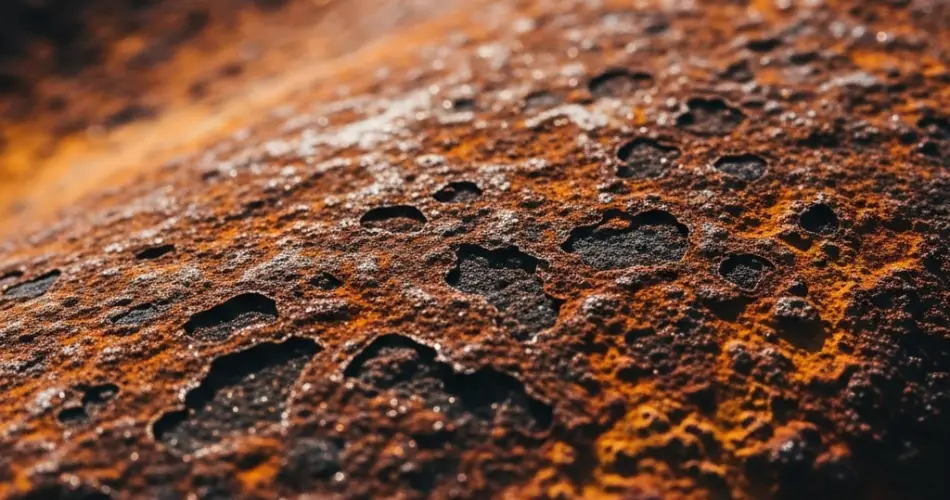
Rust and oxidation are common problems that affect metal objects, tools, and surfaces, causing them to deteriorate and lose their functionality and aesthetic appeal. Whether it’s garden tools, kitchen utensils, furniture, or machinery parts, rust can weaken metal and shorten its lifespan. While commercial rust removers exist, many contain harsh chemicals that can be harmful to both people and the environment.
Fortunately, there are natural, homemade remedies that can remove rust effectively without toxic ingredients. However, many homemade methods can be slow or only partially effective. Today, we introduce a remedy that is proven to be far more powerful—up to 100 times more effective—than traditional homemade solutions.
This article will explain the science behind rust formation, common homemade rust removal methods, and this incredibly effective natural remedy that you can prepare and use at home.
Understanding Rust and Oxidation
Rust forms when iron or its alloys, such as steel, come into contact with water and oxygen for extended periods. This chemical reaction causes iron oxide to develop on the surface, resulting in the flaky, reddish-brown coating we recognize as rust.
Oxidation affects not only iron but other metals like copper and aluminum, creating tarnish or corrosion. Rust weakens metal by causing it to flake and break down, which can lead to permanent damage if not treated promptly.
Common Homemade Remedies for Rust Removal
Many people turn to household items to fight rust, including:
-
White vinegar: Its acetic acid dissolves rust over time.
-
Baking soda paste: When mixed with water, it can gently scrub away rust.
-
Lemon juice and salt: The citric acid helps break down rust spots.
-
Potato and baking soda: The oxalic acid in potatoes combined with baking soda acts as a mild rust remover.
While these remedies can work, they often require extended soaking or repeated applications and sometimes need vigorous scrubbing, which can damage delicate surfaces.
The 100 Times More Effective Homemade Rust Removal Remedy
The secret to this powerful rust remover lies in combining natural acids with an activating agent that accelerates the reaction, making rust removal faster and more thorough without harsh chemicals.
Ingredients
-
1 cup white vinegar (acetic acid)
-
2 tablespoons lemon juice (citric acid)
-
1 tablespoon baking soda (sodium bicarbonate)
-
A few drops of liquid dish soap
-
Warm water (optional)
How It Works
-
Vinegar and lemon juice provide natural acids that dissolve rust.
-
Baking soda acts as a mild abrasive and neutralizes excess acid to prevent damage to the metal.
-
Dish soap helps lift rust particles and grease.
-
The synergy of these ingredients speeds up rust removal, making this mixture far more efficient than using vinegar or lemon juice alone.
Preparation and Application
-
Mix the vinegar and lemon juice in a container large enough to submerge the rusty item or enough for a paste if applying locally.
-
Add a few drops of liquid dish soap and stir gently.
-
For soaking, place the rusty object in the solution and let it sit for 1 to 3 hours, depending on the severity of the rust.
-
If treating a small area or delicate item, create a thick paste by adding baking soda to the liquid mixture.
-
Apply the paste to the rusty area and let it sit for 30 minutes.
-
Use a soft brush or cloth to scrub the rust away gently. Avoid wire brushes or abrasive tools that can scratch the metal.
-
Rinse the object thoroughly with clean water and dry immediately to prevent new rust from forming.
-
Repeat if necessary for stubborn rust patches.
Tips for Best Results
-
For larger objects that cannot be soaked, apply the paste and cover with plastic wrap to keep it moist.
-
Always test the mixture on a small, inconspicuous area first to ensure it does not damage the metal surface.
-
After cleaning, protect the metal with a light coating of oil or rust-preventative spray to extend its lifespan.
-
Store metal items in dry places and wipe them down regularly to prevent rust buildup.
Why This Remedy Stands Out
Unlike traditional homemade solutions, this remedy harnesses the combined power of multiple natural acids and an activating agent, which work together to break down rust more quickly and efficiently. The addition of baking soda balances the acidity, ensuring the metal isn’t damaged by prolonged acid exposure.
This makes it especially suitable for delicate items, antiques, or tools you want to restore without resorting to harsh chemical cleaners.
Environmental and Safety Benefits
-
All ingredients are safe, biodegradable, and non-toxic.
-
This method avoids the use of harsh chemicals like phosphoric acid or commercial rust removers, making it safe for use around children and pets.
-
Easy to prepare with common household ingredients, saving money and reducing waste.
Additional Natural Methods to Prevent Rust
-
Keep metal dry: Moisture is the main cause of rust, so always dry tools and metal surfaces after use.
-
Apply protective coatings: Use oils, waxes, or specialized rust-preventative products.
-
Use silica gel packs: Place these in toolboxes or storage containers to absorb moisture.
-
Regular maintenance: Clean and inspect metal items frequently to catch rust early.
Conclusion
Rust and oxidation can quickly ruin your metal tools and belongings, but with this homemade remedy, you can restore them to their original condition safely and effectively. This natural solution is not only 100 times more effective than many common homemade methods but also gentle on your metals and the environment.
Try this simple, powerful recipe today and see the difference it makes in removing rust. With proper application and care, your metals will stay rust-free and last for years to come.


