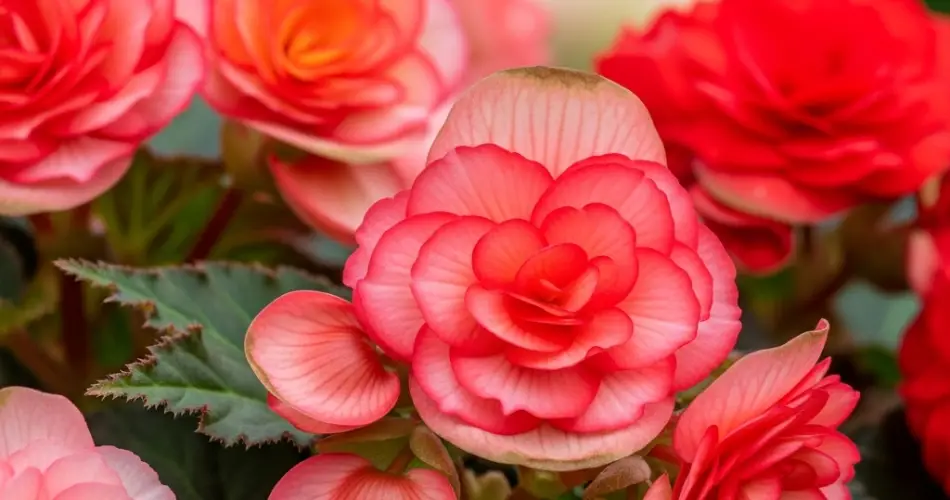
Begonias are among the most beautiful and versatile indoor plants. Known for their vibrant foliage and long-lasting blooms, begonias come in a wide range of shapes, sizes, and colors, making them a favorite for plant lovers around the world. But beyond their beauty, begonias are surprisingly easy to care for — once you understand their needs.
Whether you have a flowering begonia, a Rex begonia, or one of the many hybrid varieties, this guide will show you how to keep your begonia healthy, vibrant, and blooming indoors year-round.
What Makes Begonias So Special?
Begonias are tropical and subtropical plants native to humid forest environments. They are prized for both their decorative leaves and delicate flowers, and they can adapt well to indoor environments if given the right conditions.
There are over 1,000 species of begonia, but they generally fall into three main categories:
-
Fibrous begonias – Upright with waxy leaves and flowers. Common types include wax begonias.
-
Rhizomatous begonias – Grown more for their colorful and patterned foliage.
-
Tuberous begonias – Known for their spectacular blooms, often grown outdoors but can be kept inside with proper care.
Ideal Growing Conditions for Indoor Begonias
Begonias aren’t high-maintenance, but they do need specific conditions to thrive indoors.
1. Lighting
Begonias prefer bright, indirect light. Direct sunlight can scorch the leaves, especially in the summer. A spot near a window with filtered sunlight or partial shade is ideal.
-
For flowering begonias: 4–6 hours of filtered sunlight helps encourage blooms.
-
For foliage begonias: Keep out of direct sun to prevent leaf burn and fading.
2. Watering
Overwatering is one of the most common mistakes with begonias. They prefer evenly moist but well-drained soil.
-
Water only when the top 2–3 cm of soil feels dry.
-
Avoid letting the pot sit in water — begonias are prone to root rot.
-
Reduce watering in the winter when the plant’s growth slows down.
3. Humidity
Begonias love humidity, as they originate from tropical climates. Indoor heating and dry air can stress the plant.
-
Keep humidity levels around 50–60%.
-
Use a humidity tray or a room humidifier.
-
Group plants together to naturally raise humidity.
4. Temperature
Begonias prefer warm, stable temperatures between 18°C and 24°C (65°F to 75°F).
-
Avoid cold drafts, sudden temperature drops, or direct air from heaters or AC units.
-
Protect from frost — never let the plant drop below 12°C (53°F).
Soil and Potting
Begonias need a light, well-draining soil mix. A mix designed for African violets works well, or you can use:
-
2 parts peat moss or coco coir
-
1 part perlite
-
1 part compost or light potting soil
Choose a pot with drainage holes to prevent water from collecting at the bottom. Repot the plant every 1–2 years or when it becomes rootbound.
Fertilizing Your Begonia
Begonias benefit from regular feeding, especially during their growing season (spring through early autumn).
-
Use a balanced, water-soluble fertilizer (e.g., 10-10-10 or 20-20-20).
-
Feed every 2–4 weeks during active growth.
-
Reduce or stop fertilizing in winter when the plant is dormant.
Pruning and Maintenance
Regular maintenance keeps your begonia looking its best:
-
Remove dead leaves and spent flowers to encourage new growth and reduce disease risk.
-
Pinch back leggy stems to promote bushier growth.
-
Tuberous begonias may go dormant in winter — reduce watering and let the tubers rest until spring.
Common Problems and Solutions
Yellowing leaves: Often caused by overwatering or poor drainage. Let the soil dry out slightly before watering again.
Powdery mildew or mold: Improve air circulation around the plant. Avoid overhead watering.
Brown, crispy edges: Usually due to dry air or inconsistent watering. Increase humidity and ensure regular, moderate watering.
No flowers? The plant may not be getting enough light. Try moving it to a brighter spot with indirect light.
Propagating Begonias
Begonias are easy to propagate at home, especially the rhizomatous and fibrous types:
-
Take a healthy leaf cutting or stem cutting with at least one node.
-
Place the cutting in water or moist potting mix.
-
Keep warm and humid until roots develop (2–4 weeks).
-
Transplant to a small pot once roots are established.
This is a great way to multiply your collection or share with friends.
Final Thoughts
Begonias are more than just beautiful — they’re resilient, adaptable, and perfect for brightening up your indoor space. With just a little attention to their light, water, and humidity needs, they’ll reward you with vibrant foliage and, in many cases, charming flowers.
Whether you’re a seasoned indoor gardener or a beginner looking for a striking plant that isn’t overly demanding, the begonia is a fantastic choice. With proper care, your begonia can thrive year-round and bring joy to your home for many seasons to come.


