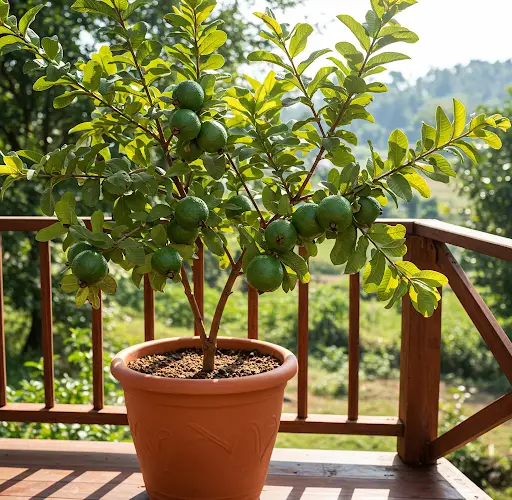
If you have a guava tree at home and have been struggling to get it to bear fruit, despite trying various fertilizers or pruning techniques, then this guide is for you. This is a simple, effective fertilization method that can encourage your guava tree to bloom and produce fruit, just like this one that I planted about a year and a half ago. This tree is already full of flowers and fruits, and I’ll show you how I achieved this success.
Preparing the Fertilizer
To ensure your guava tree thrives, you need to follow these steps to prepare an organic, nutrient-rich fertilizer. The first thing you’ll need is to create a trench around the base of the tree. Never apply the fertilizer directly to the trunk or roots, as this can damage the tree. Instead, make a small trench around the base where you’ll mix and apply the fertilizer.
You’ll need the following ingredients:
-
10 liters of well-composted cattle manure – Cattle manure is an excellent source of organic material and nutrients for the tree. If you don’t have cattle manure, you can substitute it with worm castings, chicken manure, or even horse or pig manure, as long as they are well composted.
-
500 grams of wood ash – Wood ash is packed with essential nutrients like potassium and phosphorus, which are particularly beneficial for guavas. It also helps to enhance the sweetness of the fruit. You can make your own wood ash by burning some dry wood.
-
100 grams of urea – Urea is rich in nitrogen, which is crucial for promoting healthy leaf growth. If your guava tree is yellowing or appears unhealthy, urea can provide the necessary boost. However, if your tree is newly planted, reduce the amount of urea to 50 grams to avoid over-fertilizing. Urea helps to stimulate the foliage, leading to better fruit production.
Applying the Fertilizer
Once you’ve prepared the mixture, you can begin applying it to your guava tree. Start by placing the manure, wood ash, and urea into the trench around the base of the tree. Be sure to mix the ingredients thoroughly. Afterward, water the area generously. This is particularly important when using urea, as it needs to dissolve and penetrate the soil effectively. Without adequate watering, the fertilizer may not reach the roots, and the tree could suffer.
Fertilization Frequency
To achieve optimal results, apply this fertilization mix every three months. Regular fertilization is crucial, especially for encouraging fruit production. However, for maintenance, you can apply lighter fertilizers once a month. This will help keep the soil enriched without overwhelming the tree with too many nutrients at once.
In the first week following the fertilization, you should start to notice some positive changes. New growth will begin to appear, and your guava tree will likely start flowering and bearing fruit within a few months. If your tree has not borne fruit in a while, you may need to apply this fertilizer more frequently—about two to three times per week—until you start seeing results.
Additional Care Tips
In addition to fertilizing, there are a few other things to keep in mind when caring for a guava tree:
-
Sunlight: Guava trees need plenty of sunlight to thrive. If you’ve planted your tree in the shade, it may not produce fruit. Guavas need full sun exposure for most of the day to produce large, healthy fruit.
-
Pruning: Pruning is essential for stimulating growth and encouraging fruiting. Regularly remove dead or overgrown branches, as this helps the tree focus its energy on producing fruit. A healthy guava tree will need periodic pruning, especially in the early stages of growth.
-
Watering: Guava trees prefer a moderate amount of water. Make sure the soil is well-drained, and don’t let the roots sit in water, as this can lead to rot. Water the tree deeply but infrequently, allowing the soil to dry out between watering.
Troubleshooting Common Problems
If your guava tree is suffering from pest infestations, it may be due to a lack of proper nutrients or poor care. A common problem is fruit being infested with pests or falling off prematurely. This can be caused by a lack of proper nutrients, particularly calcium, or improper care, such as damage from pruning tools. Avoid wounding your tree with sharp objects like nails or knives, as this creates openings for pests to enter.
By following these care and fertilization tips, you can help your guava tree produce healthy, sweet fruit, just like this tree that I’ve been nurturing. With the right attention and nutrients, your guava tree will thrive and provide a bountiful harvest.
Make sure to apply the fertilization every three months, give the tree plenty of sunlight, and prune regularly. Over time, you’ll notice that your guava tree will begin to bloom, and soon, you’ll be able to enjoy a continuous supply of delicious guavas.


