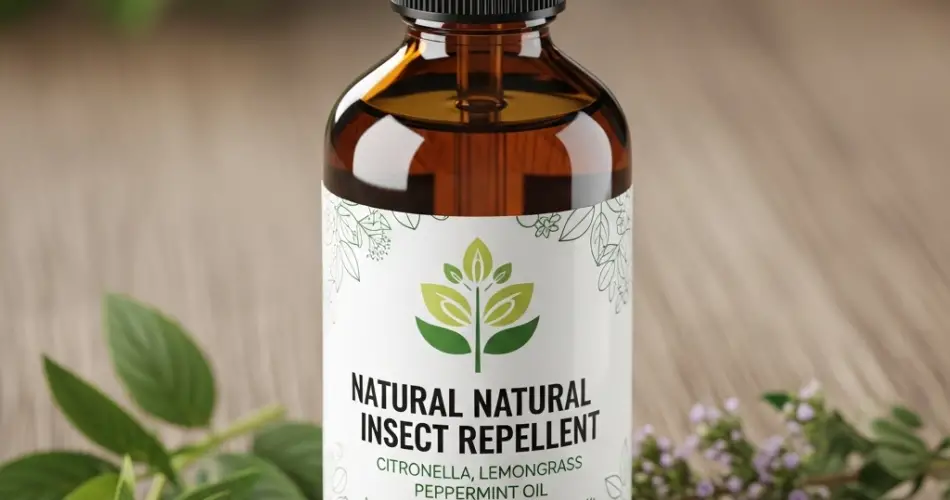
Unwanted pests like cockroaches, mosquitoes, and flies can quickly turn your home or garden into an uncomfortable space. While chemical insecticides may offer temporary relief, they often come with toxic effects on humans, pets, and the environment. Fortunately, nature offers a safer, more sustainable solution: plants that naturally repel these insects.
Several aromatic and insect-repelling plants can keep your home and garden pest-free without the need for synthetic chemicals. These plants release essential oils and compounds that repel pests while adding greenery and fragrance to your surroundings.
Here are some of the most effective plants you can grow to repel cockroaches, mosquitoes, and flies:
1. Basil (Ocimum basilicum)
Basil is a flavorful herb known for its culinary uses, but it’s also a powerful insect repellent. It emits a strong scent that repels mosquitoes and flies. Its essential oils—particularly eugenol and citronellol—are natural pest deterrents.
How to use it:
-
Grow basil in pots on windowsills, balconies, or near doorways.
-
Place a fresh basil plant on kitchen counters to discourage flies.
-
Crush a few leaves and rub them on your skin as a light mosquito repellent.
2. Lavender (Lavandula angustifolia)
The pleasant floral fragrance of lavender is highly appealing to humans but unbearable for many insects, especially flies and mosquitoes. Lavender oil contains compounds like linalool and camphor that repel pests effectively.
How to use it:
-
Grow lavender in sunny spots in your garden or in containers near entrances.
-
Dry lavender flowers and place sachets in closets and drawers to deter cockroaches and moths.
-
Use a few drops of lavender essential oil in a diffuser to keep indoor insects at bay.
3. Mint (Mentha spp.)
Mint’s refreshing scent is highly effective against cockroaches, mosquitoes, and ants. The menthol in mint disrupts their sensory perception, making it hard for them to locate food or nesting areas.
How to use it:
-
Plant mint around patios, walkways, or windows.
-
Place mint sprigs in kitchen corners or behind appliances where cockroaches may hide.
-
Blend fresh mint leaves with water and spray the mixture in pest-prone areas.
4. Rosemary (Rosmarinus officinalis)
Rosemary is a versatile herb that repels flying insects like mosquitoes and certain types of flies. Its woody scent and camphor-like oils create an environment that pests avoid.
How to use it:
-
Plant rosemary in garden beds or large pots near outdoor seating areas.
-
Burn a sprig of rosemary in a fire-safe dish to produce a mosquito-repelling smoke during outdoor gatherings.
5. Citronella Grass (Cymbopogon nardus)
This plant is the source of citronella oil, a common ingredient in natural mosquito repellents. The tall, lemony grass emits a strong fragrance that masks scents mosquitoes use to locate humans.
How to use it:
-
Grow citronella grass in warm climates or pots that can be moved indoors in winter.
-
Position the plant near doors, patios, or outdoor dining areas for the best effect.
-
Crush a leaf and rub it on exposed skin when outside.
6. Lemongrass (Cymbopogon citratus)
Closely related to citronella grass, lemongrass contains high levels of citronellal and geraniol, both effective against mosquitoes and cockroaches. Its lemony aroma is both pleasant and powerful as a deterrent.
How to use it:
-
Plant in garden borders or pots on balconies.
-
Use fresh leaves in herbal teas or crush and sprinkle them near entryways.
7. Bay Laurel (Laurus nobilis)
Bay leaves contain compounds such as eucalyptol and linalool, which repel cockroaches. Many people place dried bay leaves in pantry shelves or drawers to prevent infestations.
How to use it:
-
Place fresh or dried bay leaves in cabinets and behind furniture.
-
Grow the plant near kitchen entrances or windows.
8. Marigold (Tagetes spp.)
Marigolds are known for their pest-repellent abilities, particularly against mosquitoes and aphids. Their roots and flowers emit limonene and alpha-terthienyl, compounds that affect insect larvae and adults alike.
How to use it:
-
Plant marigolds around vegetable beds or flower borders to create a pest barrier.
-
Use marigold petals in homemade potpourri for indoor spaces.
Best Practices for Maximum Effect
-
Group plants together: Combining several pest-repelling plants increases their overall effectiveness.
-
Regularly refresh: Replace dried leaves and prune plants to keep scents strong.
-
Avoid overwatering: Standing water attracts mosquitoes, so allow soil to dry between waterings.
-
Cleanliness matters: These plants help, but regular cleaning, especially in kitchens and bathrooms, is key to avoiding infestations.
Final Thoughts
Instead of turning to chemical sprays, consider using the power of nature to keep your home and garden pest-free. These plants not only repel common nuisances like cockroaches, flies, and mosquitoes, but they also bring beauty, fragrance, and culinary benefits to your space.
With minimal effort, you can create a green barrier that protects your living environment and supports a healthier, more sustainable lifestyle.


