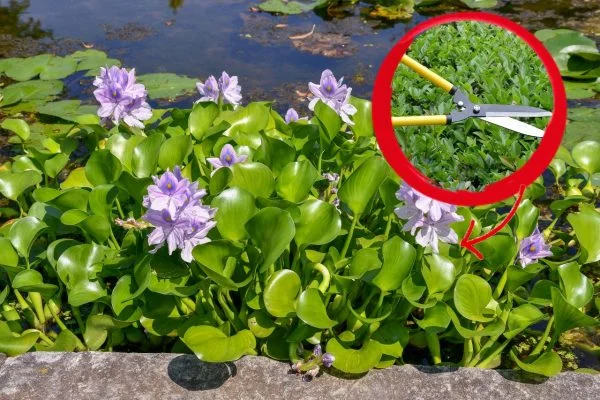
The water hyacinth, scientifically known as Eichhornia crassipes, is an aquatic plant with a remarkably beautiful flower. Unfortunately, its export has been prohibited due to a characteristic that could potentially cause significant harm to the ecosystem. Originally from South America, it boasts a stunning purple flower and robust green leaves.
The Water Hyacinth: One of the Most Feared Plants in the World – Its Sale is Prohibited! Here’s Why
But what is the issue with this plant? Firstly, it reproduces rapidly. In a short time, it can carpet a watercourse, a lake, and more. However, this isn’t beneficial because the interweaving of its roots can even hinder navigation, blocking fishing, trade, and transportation. It creates such a thickness that it obstructs every passage.
This is the reason why the sale and export of water hyacinth have been banned. You might still find a few plants in some nurseries, but they are very scarce due to the recent prohibition. Despite its invasive nature, the water hyacinth has environmentally beneficial characteristics, such as absorbing toxins in the surrounding atmosphere.
If this plant were to spread worldwide, given its ease of proliferation, serious problems could arise, challenging to extinguish and overcome. The water hyacinth does have great purifying properties, and there was a hypothesis in the past that they could be useful in preventing the evaporation of lakes. However, for now, this solution remains a utopia.
It remains a fact that witnessing the bloom of this plant is a marvelous gift from nature. If it were possible to harness its positive characteristics, it could be a wonderful way to prevent the inappropriate use of the water hyacinth. We will see in the future if things change. For now, if you happen to find a plant and decide to buy it, considering its invasive nature when it grows, think carefully about where to place and let it thrive.