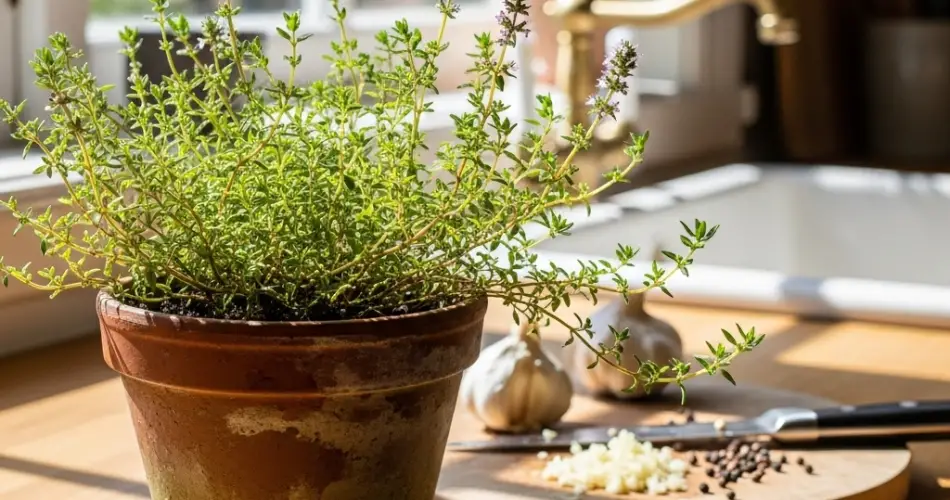
Thyme is a versatile and aromatic herb that has been a kitchen favorite for centuries. Its earthy, slightly peppery flavor elevates soups, sauces, roasted vegetables, marinades, and meat dishes. While dried thyme is convenient, fresh thyme from your own kitchen provides a richer aroma and superior taste. Growing thyme indoors is simple, requires minimal space, and allows you to harvest fresh leaves year-round, even without a garden.
Why Grow Thyme Indoors
Thyme is a hardy herb that thrives in container environments, making it ideal for indoor cultivation. It tolerates variations in light, temperature, and water levels better than many other herbs. Growing thyme indoors ensures you always have fresh leaves on hand for cooking, tea infusions, or garnishing dishes. In addition to its culinary uses, thyme brings greenery and a subtle, refreshing fragrance to your kitchen space, creating an inviting atmosphere.
Selecting the Right Thyme Variety
Several thyme varieties perform well indoors. English or common thyme is versatile, with a robust flavor suitable for most dishes. Lemon thyme offers a bright, citrusy note that enhances seafood, poultry, and vegetable recipes. French or creeping thyme is milder and often used decoratively as well as in cooking. Choosing the right variety depends on your preferred flavor profile. For adventurous cooks, growing multiple varieties provides an opportunity to experiment with different tastes in the kitchen.
Light and Placement
Thyme requires bright, indirect light to flourish. A south- or west-facing windowsill is ideal, providing 6–8 hours of sunlight each day. If your kitchen lacks adequate natural light, supplement with an LED or fluorescent grow light positioned 6–12 inches above the plant. Maintain the light for 12–14 hours daily to promote compact growth and prevent leggy stems. Placing thyme near your kitchen counter ensures convenience for harvesting while still allowing the plant to receive sufficient light for healthy growth.
Containers and Soil
Choosing the right container and soil is key for thriving indoor thyme. Use a pot at least 6–8 inches wide with drainage holes to prevent water accumulation. Terracotta or ceramic pots are ideal because they allow airflow and regulate moisture. Thyme prefers well-draining, lightweight potting soil enriched with organic matter. Avoid heavy garden soil, which can compact indoors and restrict root development. Proper soil promotes strong stems and flavorful leaves.
Watering Thyme
Thyme prefers slightly dry soil, so it’s important not to overwater. Let the top inch of soil dry out between watering sessions, and ensure excess water drains from the pot. Standing water can cause root rot and yellowing leaves, while insufficient watering can slow growth and make stems woody. Consistent, moderate moisture is essential for a healthy, long-lasting plant.
Fertilizing and Feeding
Container-grown thyme benefits from occasional feeding. Apply a balanced, water-soluble fertilizer every four to six weeks during the growing season. Organic options like liquid seaweed or compost tea work well to enhance aromatic leaf production. Avoid over-fertilizing, which can result in large leaves with reduced flavor. Consistent, moderate feeding helps maintain vigorous, flavorful thyme year-round.
Harvesting Fresh Thyme
The advantage of indoor thyme is the ability to harvest fresh leaves whenever needed. Snip stems just above a leaf node to encourage branching and continuous growth. Regular harvesting prevents the plant from becoming woody and ensures a steady supply of aromatic leaves. Fresh thyme can be added to soups, sauces, roasted vegetables, marinades, and even herbal teas. Avoid removing more than one-third of the plant at a time to maintain healthy growth.
Pruning and Maintenance
Pruning is essential to keep thyme compact and productive. Trim leggy stems and remove any flowers, as flowering redirects energy away from leaf growth and can slightly alter flavor. Regular pruning encourages dense foliage, prolongs productivity, and maintains a vibrant indoor plant. Combined with proper watering and fertilization, pruning ensures thyme remains healthy and flavorful throughout the year.
Preserving Extra Thyme
If your indoor thyme produces more leaves than you can use, preservation is simple. Fresh sprigs can be wrapped in a damp paper towel and stored in the refrigerator for several days. For long-term storage, freeze leaves in ice cube trays with water or olive oil. Drying small bunches of thyme is another option, allowing you to store the herb for months while retaining much of its flavor.
Bringing Fresh Thyme to Your Kitchen
Growing thyme indoors provides year-round access to fresh, aromatic leaves. With proper light, soil, watering, and pruning, this hardy herb thrives in a kitchen pot, adding flavor and freshness to your meals. Homegrown thyme elevates everyday dishes, brings greenery to your space, and gives the satisfaction of cultivating your own herbs. Indoor thyme gardening is a practical and rewarding way to enhance both your cooking and your home environment.


