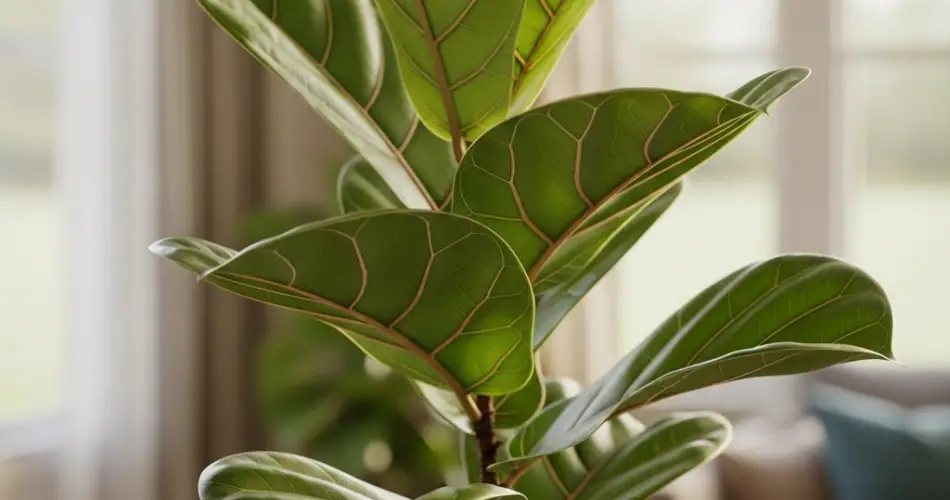
Fiddle leaf figs (Ficus lyrata) are beloved for their bold, upright growth and broad, violin-shaped leaves that add drama to any indoor space. While they’re relatively easy to care for once established, one key factor often overlooked is fertilization. Knowing when and how to fertilize your fiddle leaf fig is essential for lush growth, healthy leaves, and a robust root system.
So what are your fiddle leaf fig’s real fertilizer needs—and how can you meet them without overdoing it? Here’s a complete guide to understanding what these tropical plants really require when it comes to feeding.
Why Fertilizer Matters for Fiddle Leaf Figs
In their native tropical habitat, fiddle leaf figs thrive in nutrient-rich soil. Indoors, however, they’re limited by the nutrients available in their container soil. Over time, even high-quality potting mixes become depleted, and without regular fertilization, your plant may start showing signs of nutrient deficiency.
Proper fertilization promotes:
-
Vibrant, dark green leaves
-
Strong stem and root development
-
Consistent new growth
-
Resistance to pests and diseases
Without it, you might notice slow growth, yellowing leaves, leaf drop, or a general lack of vitality.
Signs Your Plant Needs Fertilizer
If you’re unsure whether your fiddle leaf fig needs feeding, look for these signs:
-
Pale or yellowing leaves, especially lower ones
-
No new leaf growth during the active season (spring/summer)
-
Slow or stunted growth
-
Brown leaf edges or tips that aren’t caused by overwatering or low humidity
While these symptoms could also point to other issues, nutrient deficiency is a common cause that can be corrected with proper feeding.
The Right Type of Fertilizer
Fiddle leaf figs need a balanced blend of essential nutrients. A fertilizer with a 3-1-2 NPK ratio (Nitrogen-Phosphorus-Potassium) is ideal. Here’s why each nutrient matters:
-
Nitrogen (N): Encourages lush, green foliage—critical for a plant grown primarily for its leaves.
-
Phosphorus (P): Supports root development and overall plant strength.
-
Potassium (K): Helps regulate water use and boosts disease resistance.
Look for liquid fertilizers labeled for houseplants or specifically formulated for fiddle leaf figs. Liquid formulas are easy to dilute and apply, ensuring the plant absorbs nutrients quickly.
When and How Often to Fertilize
Fiddle leaf figs grow most actively in spring and summer, which is the best time to fertilize. A good schedule is:
-
Every 4 to 6 weeks during the growing season
-
Once every 2 to 3 months or not at all in fall and winter, when growth naturally slows
Be cautious not to overfeed. Excess fertilizer can lead to salt buildup in the soil, causing root damage and leaf burn.
How to Apply Fertilizer
-
Dilute Properly:
Always follow the label instructions, but it’s often safe to dilute liquid fertilizer to half the recommended strength. This avoids overfeeding, especially for young or recently repotted plants. -
Apply to Moist Soil:
Never fertilize dry soil. Water the plant first, then add fertilizer to avoid shocking the roots. -
Use Slow-Release Fertilizer (Optional):
For those who prefer a hands-off approach, slow-release pellets are another option. These provide a steady supply of nutrients over several months but lack the precision of liquid feeding.
Organic Fertilizer Options
If you prefer natural fertilizers, here are a few gentle alternatives:
-
Worm castings: Rich in nutrients and soil-improving microbes
-
Compost tea: Offers a mild nutrient boost and helps condition the soil
-
Diluted fish emulsion: High in nitrogen, though it has a strong smell
Organic fertilizers are usually slower to act but build long-term soil health and are less likely to cause root burn.
Common Fertilizing Mistakes to Avoid
-
Overfertilizing: More is not better. Excess fertilizer leads to root damage, salt buildup, and burned leaves.
-
Fertilizing too early after repotting: Give newly repotted plants a month to adjust before feeding.
-
Ignoring the seasons: Fertilizing during dormancy (winter) can stress the plant when it’s not actively growing.
-
Using the wrong formula: Avoid high-phosphorus blends unless you’re trying to repair root damage.
Final Thoughts
Feeding your fiddle leaf fig doesn’t have to be complicated, but it does require consistency and a basic understanding of what the plant needs. A well-fertilized fiddle leaf fig will reward you with bold, healthy growth and the signature leaves that make it such a showstopper in indoor spaces.
By using the right fertilizer at the right time—and being careful not to overdo it—you’ll ensure your fiddle leaf fig thrives year-round. Whether you’re new to fiddle leaf care or trying to revive a tired plant, proper fertilization can make all the difference.


