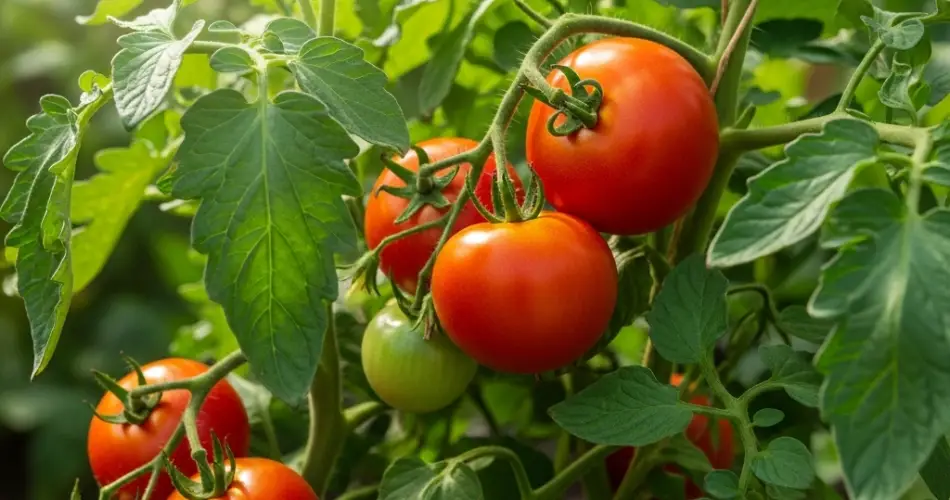
Every gardener has that one discovery they wish they had made sooner. For many, it’s the right watering schedule or the perfect fertilizer. For me, it was discovering a new way to sow tomato seeds—a method so simple yet effective that I now use it exclusively. After years of weak seedlings and inconsistent results, this technique finally gave me strong, healthy, and high-yielding tomato plants. Here’s exactly how it works and why you might want to adopt it too.
What’s Wrong with the Old Way?
Traditionally, many gardeners sow tomato seeds into deep containers filled to the top with soil. While this seems harmless, it often leads to:
-
Spindly seedlings due to excess soil warmth and moisture.
-
Poor root development because of compacted soil.
-
Uneven germination due to inconsistent watering or temperature.
I used to follow this exact method, and year after year, I dealt with seedlings that either grew too fast, became leggy, or developed weak stems. That all changed when I tried a layered sowing technique inspired by commercial growers and experienced homesteaders.
The Game-Changing Tomato Sowing Method
This method mimics the way seeds might naturally grow in a compost-rich, well-drained environment, and it provides ideal conditions for root and stem development. Here’s how to do it step by step:
Step 1: Prepare a Shallow Tray
Instead of sowing in deep soil, use a shallow tray or container and fill it with just 2–3 cm of lightly moistened seed-starting mix. This thin layer ensures warm, even germination and avoids the risk of rot from excess moisture.
Step 2: Sow Seeds Sparingly
Space out tomato seeds evenly, leaving at least 2 cm between each. This prevents overcrowding and makes future transplanting easier. Lightly press each seed into the soil and cover with a thin layer of dry mix or vermiculite.
Step 3: Cover and Wait
Cover the tray with a clear lid or plastic wrap to retain moisture and warmth. Keep the tray at 21–24°C (70–75°F). Within 4–7 days, you should see sprouting.
Step 4: Light Exposure Is Crucial
As soon as the seeds sprout, remove the cover and place the tray in a well-lit area or under grow lights. Provide 14–16 hours of light per day. Proper lighting at this stage prevents leggy growth.
Step 5: The Key Twist—Add Soil in Layers
As seedlings grow, don’t transplant them immediately. Instead, gradually add soil around the base of each seedling every few days. This encourages the development of additional roots along the buried stem.
By the time the seedlings are 10–15 cm tall, they will have a dense, fibrous root system and a thick stem, ready for successful transplanting.
Step 6: Water Gently and Sparingly
Water with a spray bottle or from below, avoiding excess moisture that could cause disease. Only water when the top layer begins to dry out.
Step 7: Harden Off Gradually
Before transplanting into the garden, harden off the seedlings by placing them outdoors for a few hours each day, increasing exposure gradually over 7–10 days. This step is vital for reducing transplant shock.
The Benefits of This Method
Since adopting this approach, my tomato seedlings have consistently been:
-
Short, thick-stemmed, and sturdy
-
Deeply rooted and ready to adapt quickly to outdoor soil
-
Resilient to wind and temperature changes
-
Faster to flower and fruit after transplanting
I no longer worry about weak seedlings or re-sowing because of poor starts. And best of all, this method works equally well for peppers, eggplants, and even cucumbers.
Bonus Tip: Add a Natural Boost
Around the time the seedlings develop their first true leaves, apply a mild natural fertilizer to enhance growth. Some great options include:
-
Wood ash tea (rich in potassium)
-
Fermented banana peel water
-
Diluted compost tea or vermicompost solution
Apply once every 7–10 days, and only in small amounts.
Final Thoughts
If you’ve struggled with tomato seedlings that never seem to thrive, this sowing method might be your turning point. It takes a little patience and care, but the results are remarkable. I now sow all my tomatoes this way—and only wish I had discovered it sooner.
This simple shift in your seed-starting routine could transform your entire tomato-growing season, setting your plants up for a strong start, early blooms, and abundant harvests. Give it a try this year and see the difference for yourself.


