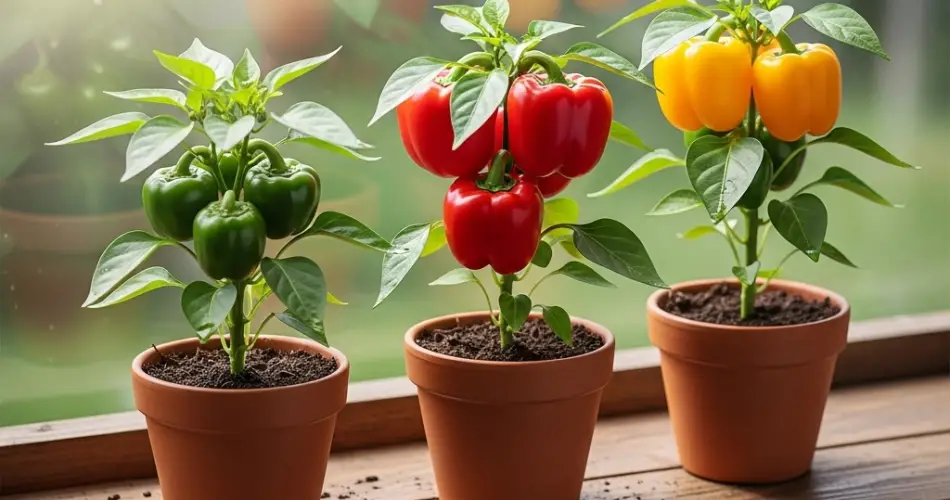
Growing pepper plants in containers is a practical and rewarding way to cultivate your own fresh produce, even if you have limited outdoor space. Peppers thrive in pots with the right care, and whether you prefer them sweet or fiery hot, the key to success lies in understanding their basic needs. With the right soil, sunlight, watering habits, and support, you can enjoy a productive harvest right from your balcony, patio, or sunny window.
Here’s how to grow healthy potted pepper plants that thrive all season long.
Choose the Right Variety for Pots
While most pepper varieties can be grown in containers, some adapt better to the restricted root space of pots. Compact or dwarf varieties are especially suitable. Good choices include:
-
Cayenne and Thai chilies (great for spice lovers)
-
Mini bell peppers
-
Jalapeño
-
Hungarian wax
-
Banana peppers
These plants tend to grow less bushy and still yield a substantial number of fruits in small spaces.
Pick the Ideal Container
Peppers develop deep roots, so the pot needs to be both wide and deep enough to support their growth. Use containers that are:
-
At least 12–14 inches deep
-
10–12 inches wide for single plants (larger for multiple)
-
Equipped with good drainage holes
Plastic, terracotta, ceramic, and fabric grow bags all work well. Self-watering containers are also helpful for maintaining consistent moisture levels.
Use High-Quality Soil
Healthy pepper plants start with healthy soil. Use a light, well-draining potting mix designed for vegetables or container gardening. Avoid dense garden soil, which can compact and suffocate roots.
Create a nutrient-rich blend using:
-
One part potting soil
-
One part compost or aged manure
-
A small amount of perlite or coco coir for aeration
Before planting, mix in a slow-release fertilizer or organic vegetable food to give your plant a strong start.
Position in Full Sun
Peppers are sun-loving plants. Place your container in a location that receives at least 6 to 8 hours of full sunlight each day. Inadequate light can result in spindly growth and low fruit production.
If you’re growing indoors or in a shaded area, supplement with a grow light to ensure strong, healthy development.
Planting and Spacing
Once nighttime temperatures stay above 55°F (13°C), it’s safe to plant your pepper outdoors. Fill your pot with prepared soil, and bury the pepper seedling slightly deeper than it was in its starter pot. Gently firm the soil around the base and water well.
If using larger containers, space multiple plants at least 12 inches apart to give each one room to grow and breathe.
Watering Wisely
Pepper plants need consistent moisture, but soggy roots can quickly lead to disease. The goal is to keep the soil evenly moist, not wet.
Tips for proper watering:
-
Check soil moisture daily during warm months
-
Water when the top inch of soil feels dry
-
Water deeply until water drains from the bottom
-
Avoid splashing water on the leaves, which can lead to fungal problems
In hot weather, you may need to water once or even twice a day, especially in smaller pots or fabric bags.
Feeding for Strong Growth
Peppers benefit from regular feeding. After the initial dose of slow-release fertilizer, supplement with a balanced liquid fertilizer or a low-nitrogen blend every two weeks once the plant starts to flower.
Too much nitrogen encourages leaf growth but reduces fruiting, so a fertilizer higher in phosphorus and potassium is ideal during the flowering and fruiting stages.
Pruning and Supporting Your Plants
For compact varieties, minimal pruning is needed. However, larger or indeterminate pepper plants may benefit from:
-
Removing the lowest leaves to improve airflow
-
Pinching off the first few flowers to encourage root growth
-
Lightly pruning excess branches for better structure
Tall or heavily fruited plants may need staking or small cages to keep them upright and prevent stem breakage.
Pests and Disease Prevention
Pepper plants in containers are generally less susceptible to pests than those grown in-ground, but they can still attract aphids, spider mites, and whiteflies. Keep an eye out for signs of damage, such as yellowing leaves or sticky residue.
To manage pests:
-
Rinse leaves with water or spray with insecticidal soap
-
Remove heavily infested leaves
-
Keep foliage dry to avoid fungal issues
Proper spacing, good airflow, and healthy soil all contribute to disease prevention.
Harvesting Your Peppers
Peppers are typically ready for harvest 60 to 90 days after transplanting, depending on the variety. You can pick them green or wait for them to ripen to red, yellow, or orange—depending on your preference and the type.
Use sharp scissors or garden shears to snip the peppers from the plant, taking care not to damage the stem.
Final Tips
-
Rotate pots every few days to promote even growth.
-
Mulch the soil surface to retain moisture and suppress weeds.
-
Clean pots between plantings to reduce disease carryover.
With consistent care, pepper plants will reward you with a colorful and flavorful harvest that adds spice and sweetness to your kitchen.


