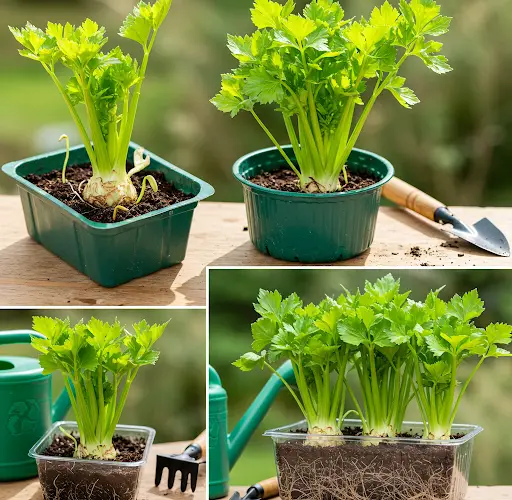
Celery is a crisp, aromatic vegetable that’s loved in everything from soups and salads to juices. But it’s also known to be a finicky crop, requiring consistent moisture, rich soil, and long growing periods. Fortunately, there’s an unconventional yet highly effective method that makes celery easier to grow—even for beginners—and results in vibrant, fresh stalks with minimal care. The surprising key? Beer.
This guide will walk you through how to use beer as part of your celery-growing routine to boost soil nutrients, reduce watering needs, and enjoy longer-lasting freshness in your harvests.
Why Use Beer for Growing Celery?
At first glance, beer might seem like an odd choice in the garden. But beer contains yeast, sugars, and small amounts of nutrients like potassium and phosphorus that, when used correctly, can stimulate microbial activity in the soil. This promotes stronger root systems and better moisture retention, which are crucial for celery’s success.
Key benefits of using beer in the garden include:
-
Boosts beneficial microbes in the soil.
-
Helps retain moisture around the root zone.
-
Acts as a mild natural fertilizer.
-
Keeps stalks crisp and flavorful.
Note: Only use flat or stale beer—never freshly opened or carbonated beer, as the fizz can disrupt the soil structure and damage young roots.
Materials You’ll Need
To grow celery using this beer method, you’ll need the following:
-
Celery seeds or root cuttings (bottoms of store-bought celery can regrow)
-
Fertile soil or compost-rich potting mix
-
One container (or garden bed with good drainage)
-
1/2 to 1 cup of flat, leftover beer
-
Watering can or spray bottle
-
Mulch (optional, but helpful)
-
A location with partial to full sunlight
Step 1: Prepare the Growing Area
Celery thrives in nutrient-rich, moisture-retentive soil with good drainage. If using a container, choose one at least 8–12 inches deep. Fill it with loose, fertile soil that includes compost or organic matter.
Before planting, mix the soil with a small amount of flat beer (around 1/4 cup per square foot of soil). This creates a microbe-friendly environment right from the start.
Let the soil sit for 24 hours after mixing in the beer to allow microbial activity to begin developing.
Step 2: Planting Celery Seeds or Cuttings
For seeds:
-
Soak celery seeds in warm water for 12–24 hours to encourage germination.
-
Sow them 1/4 inch deep in the soil.
-
Lightly water the surface (do not over-saturate).
-
Cover the container or bed with plastic wrap or a dome to maintain humidity until germination (usually 10–14 days).
For root cuttings:
-
Take the bottom 2 inches of a store-bought celery bunch.
-
Place it in a shallow bowl of water for a few days until roots appear.
-
Transplant into soil, burying the base just up to the new leaf growth.
Step 3: Watering with Beer
Here’s the trick that keeps celery growing strong and fresh:
-
Dilute beer with water at a 1:10 ratio (for example, 1 cup of beer to 10 cups of water).
-
Water the celery with this mixture once every 2–3 weeks during active growth.
-
For dry climates or container growing, you may apply once every 10–14 days.
This light beer solution encourages root health while minimizing the need for daily watering. In well-mulched beds, the moisture is retained even longer, meaning you’ll spend less time tending and more time harvesting.
Step 4: Light and Temperature Conditions
Celery needs:
-
Cool temperatures: 60–70°F (15–21°C) is ideal.
-
Partial to full sunlight: At least 5–6 hours per day.
-
Consistent moisture: Especially during the bulking phase when stalks thicken.
Apply a thin mulch layer (straw, shredded leaves, or compost) to keep the soil moist and regulate temperature.
Step 5: Ongoing Care and Beer Reapplication
To keep your celery fresh and vibrant:
-
Top-dress with compost or aged manure every month.
-
Reapply diluted beer solution as a soil drench—not on leaves.
-
Remove any yellowing or damaged leaves to prevent disease.
-
If plants appear sluggish, add a spoonful of Epsom salt to 1 gallon of water and apply once monthly for a magnesium boost.
Avoid overwatering—celery likes moisture, but waterlogged roots will lead to rot.
Step 6: Harvesting Celery
Celery is ready to harvest in about 90–120 days from seed. With the beer-enhanced method, you may see faster and more vigorous growth.
To harvest:
-
Cut the entire bunch at soil level once the stalks are thick and juicy.
-
For ongoing harvest, snip outer stalks individually, leaving the center intact to continue growing.
Freshly harvested celery will be firm, aromatic, and full of flavor—perfect for juicing or cooking.
Final Thoughts
Using beer in your celery-growing routine may sound unusual, but it’s a time-tested trick among seasoned gardeners. This simple technique boosts microbial life in the soil, enhances root strength, reduces your need to water frequently, and results in celery that’s consistently fresh, crisp, and flavorful.
Best of all, it’s a low-cost, low-effort solution that turns kitchen waste (flat beer) into gardening gold. Whether you’re growing in containers, raised beds, or small garden plots, this method can make your celery-growing journey more rewarding—and delicious.


