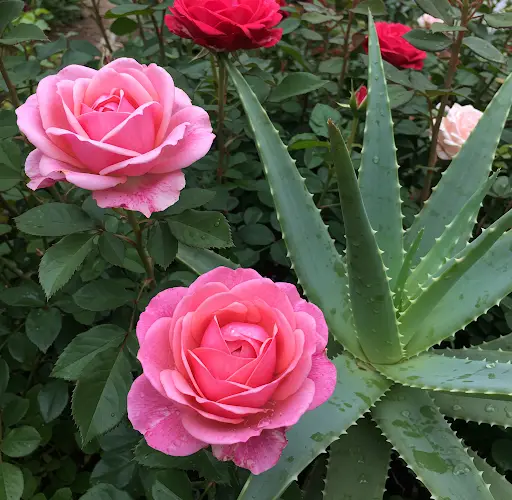
Rose propagation can seem like a daunting task, but with the right technique and a little patience, you can easily grow new rose plants from cuttings. One of the most effective and natural ways to boost the success of your rose cuttings is by using aloe vera, a plant known for its numerous health benefits. Aloe vera isn’t just good for skin care—its natural compounds can help stimulate root growth, protect against disease, and ensure your rose cuttings grow strong and healthy.
This method of propagation is simple, cost-effective, and completely natural, making it perfect for gardeners who prefer eco-friendly alternatives. Here’s how you can propagate rose cuttings with aloe vera and successfully grow your own rose garden.
Why Aloe Vera Works for Propagating Rose Cuttings
Aloe vera is a powerful plant with many healing properties, but when used in gardening, it provides several benefits for rose propagation:
-
Rooting hormone boost: Aloe vera contains plant hormones like auxins and gibberellins, which help stimulate root development in cuttings.
-
Antiseptic properties: Aloe vera’s natural antiseptic properties protect cuttings from fungal and bacterial infections, which can often plague young plants.
-
Moisture retention: Aloe vera gel helps retain moisture in the cutting, reducing the chance of dehydration while it roots.
-
Nutrient-rich: Aloe vera is packed with vitamins, minerals, and amino acids that nourish the cutting and promote healthy growth.
Using aloe vera as a rooting aid is both a practical and organic solution for anyone looking to propagate roses at home.
Materials You’ll Need
Before you get started, gather the following materials:
-
Healthy rose stem cuttings (6–8 inches long)
-
Fresh aloe vera gel (from a mature aloe plant)
-
Sharp knife or pruning shears
-
Clean container for the aloe vera gel
-
Well-draining potting mix or propagation soil
-
Small pots or containers
-
Spray bottle with water
Step-by-Step Guide to Propagating Rose Cuttings with Aloe Vera
1. Select and Prepare the Rose Cuttings
Choose a healthy rose stem that is neither too young nor too old. The best time to take cuttings is during late spring or early summer when the plant is actively growing. Select a stem that has recently bloomed and is semi-hardwood—this means the stem is firm but still flexible.
Using a sharp knife or pruning shears, cut a 6- to 8-inch section of the stem just below a leaf node (where leaves are attached). Remove any flowers, buds, and most of the leaves from the lower half of the cutting, leaving only a few leaves at the top to reduce moisture loss.
Optionally, you can lightly scrape the lower inch of the stem to expose the cambium layer beneath the bark—this helps stimulate root growth.
2. Extract Aloe Vera Gel
To use aloe vera for propagation, you’ll need fresh aloe gel. Simply cut a mature aloe vera leaf from the plant, and slice it open lengthwise. Use a spoon to scoop out the clear gel inside. You only need a small amount for each cutting, so one leaf should be enough for several cuttings.
Place the gel into a clean container, ensuring it remains free of any dirt or contaminants. You can use the gel immediately, as it works best when fresh.
3. Apply Aloe Vera Gel to the Cutting
Dip the bottom end of your rose cutting into the aloe vera gel, ensuring the cut portion is thoroughly coated. The gel acts as a natural rooting hormone and also provides protection against diseases. Let the cutting sit in the aloe vera gel for 5 to 10 minutes to absorb the beneficial properties.
Aloe vera gel will help the cutting retain moisture, which is crucial for successful rooting.
4. Plant the Cutting
Prepare small pots or containers with well-draining potting mix or propagation soil. Make a small hole in the center of each pot and gently insert the aloe-treated cutting, ensuring it is buried about 2–3 inches deep in the soil. Firm the soil around the base to hold the cutting in place.
After planting, water the soil lightly to moisten it, but avoid overwatering, which could cause the cutting to rot.
5. Create the Right Environment for Rooting
Roses need warmth and humidity to root successfully. To mimic a greenhouse effect, cover each pot with a plastic bag or a clear plastic dome. This will help maintain humidity around the cutting, preventing it from drying out.
Place the pots in a warm spot with bright, indirect light—avoid direct sunlight, which can overheat the cuttings and stress them. Keep the temperature around 65-75°F (18-24°C) for optimal rooting.
Ongoing Care and Monitoring
-
Moisture control: Check the cuttings daily and mist the soil lightly to maintain moisture. The soil should be kept moist but not soggy.
-
Air circulation: If using plastic covers, allow fresh air to circulate daily by removing the cover for a few minutes to avoid mold or mildew.
-
Rooting progress: After about 2–3 weeks, gently tug on the cutting. If you feel resistance, it’s a sign that the roots are forming. You may also start to see new growth, which is a good sign that the cutting is establishing itself.
Once the roots are strong enough to support the cutting, you can transplant the new rose plant into a larger pot or directly into your garden.
Final Thoughts
Propagating roses with aloe vera is a simple, effective, and all-natural method that’s perfect for both beginners and seasoned gardeners. Aloe vera not only stimulates root growth but also protects against harmful pathogens, giving your rose cuttings the best chance for success.
With patience and care, you can soon enjoy a garden full of vibrant roses, all grown from a few cuttings and the power of nature’s healing aloe vera gel.


