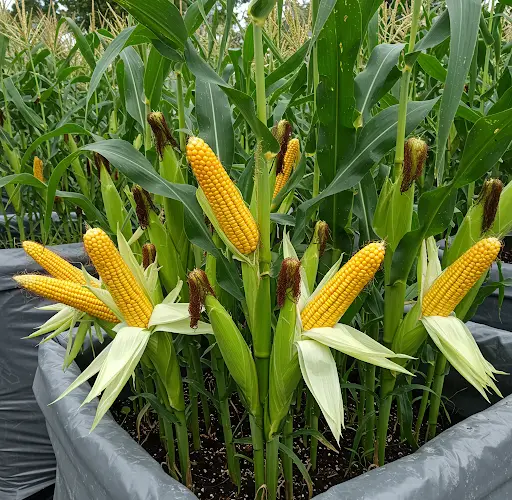
The Secret of Growing Large and Abundant Corn in Plastic Containers Without a Garden
Corn is a staple crop that many gardeners assume requires a large field to grow. However, with the right techniques, you can successfully grow large and abundant corn in plastic containers—even without a traditional garden! This method is perfect for urban dwellers, balcony gardeners, or anyone with limited space. In this guide, we’ll explore the secrets to maximizing your corn harvest using plastic containers.
Why Grow Corn in Plastic Containers?
Growing corn in plastic containers comes with several benefits:
- Space Efficiency: You can grow corn on patios, balconies, rooftops, or small yards.
- Portability: Containers can be moved to optimize sun exposure.
- Better Soil Control: You can provide the perfect nutrient-rich soil mix.
- Reduced Pest and Disease Risks: Growing in containers limits exposure to soil-borne diseases.
- Improved Drainage: Proper container setup helps prevent waterlogging.
Despite these advantages, growing corn in containers requires specific strategies to ensure healthy, high-yielding plants.
Step-by-Step Guide to Growing Corn in Plastic Containers
Step 1: Choosing the Right Corn Variety
Not all corn varieties grow well in containers. Choose dwarf or compact varieties such as:
- “Golden Bantam”
- “Sweet Painted Mountain”
- “Blue Jade”
- “Baby Corn”
These varieties require less space while still producing a bountiful harvest.
Step 2: Selecting the Right Plastic Container
Corn has deep roots, so the container must be large and deep. Consider the following:
- Use a 15-20 gallon plastic container for best results.
- Ensure the container has drainage holes to prevent root rot.
- Light-colored containers help regulate temperature in hot climates.
Step 3: Preparing the Soil Mix
Corn thrives in rich, well-draining soil. The ideal mix includes:
- 60% high-quality potting soil (for structure and moisture retention)
- 30% compost or aged manure (for essential nutrients)
- 10% perlite or sand (for drainage and aeration)
Corn is a heavy feeder, so it’s important to enrich the soil with organic matter before planting.
Step 4: Planting Corn in Containers
How to Sow Corn Seeds
- Fill the container with soil, leaving 2-3 inches of space at the top.
- Plant seeds 1 inch deep and 4-6 inches apart.
- To ensure pollination, plant at least 4-6 corn plants per container in a block pattern rather than a single row.
- Water thoroughly after planting.
Step 5: Providing Proper Care
Sunlight Requirements
- Corn needs 6-8 hours of full sun daily.
- Position containers in the sunniest spot possible.
Watering
- Corn requires consistent moisture.
- Water deeply 2-3 times a week, ensuring even soil moisture.
- Avoid letting the soil dry out, as drought stress affects kernel formation.
Fertilization
- Apply a balanced organic fertilizer every 2-3 weeks.
- Corn benefits from high nitrogen fertilizers (like fish emulsion or compost tea) during early growth.
- Once tassels form, switch to a phosphorus-rich fertilizer for strong kernel development.
Supporting Corn Plants
- As corn grows tall, it may need support.
- Use bamboo stakes or trellises to prevent plants from falling over in strong winds.
Step 6: Pollination Techniques
Unlike other vegetables, corn is wind-pollinated. In a garden, large cornfields naturally achieve this, but in containers, you may need to help.
How to Hand-Pollinate Corn
- Once tassels (male flowers) appear at the top, gently shake them to release pollen.
- Brush the pollen onto the silk strands of the ears (female flowers).
- Repeat this process daily for several days to ensure full pollination.
Step 7: Harvesting Corn
Corn is ready to harvest in 60-90 days, depending on the variety.
How to Tell When Corn is Ready
- Kernels should be plump and milky when punctured.
- The silk should be brown and dry.
- The ear should feel firm and full.
To harvest, simply twist and pull the ear from the stalk.
Surprising Results of Growing Corn in Containers
Many gardeners have experimented with growing corn in containers, and the results have been both promising and unexpected.
1. High Productivity in Small Spaces
With proper soil, nutrition, and pollination, container-grown corn has yielded large and sweet ears, even in limited spaces.
2. Faster Growth Due to Controlled Conditions
Since container-grown corn benefits from optimized soil and fertilization, many gardeners reported faster growth rates compared to traditional garden beds.
3. Challenges with Pollination
Some gardeners found that poor pollination led to underdeveloped kernels. The solution? Hand-pollination dramatically improved yields.
4. Greater Pest Control Success
Container-grown corn faced fewer issues with soil-borne pests, like corn borers and rootworms, making it a healthier and easier-to-maintain crop.
5. Unexpectedly Large Ears of Corn
When provided with deep containers, ample nutrients, and proper pollination, some gardeners harvested ears comparable in size to field-grown corn.
Final Thoughts: Is Growing Corn in Plastic Containers Worth It?
Absolutely! While growing corn in containers requires planning and care, it is entirely possible to achieve large and abundant harvests. This method is ideal for:
- Urban and small-space gardeners
- Those who want fresh, homegrown corn without a backyard
- Anyone interested in an exciting gardening challenge
By choosing the right variety, optimizing soil conditions, ensuring proper pollination, and maintaining regular care, you can successfully grow corn in plastic containers and enjoy delicious, homegrown ears of corn—without needing a garden!


