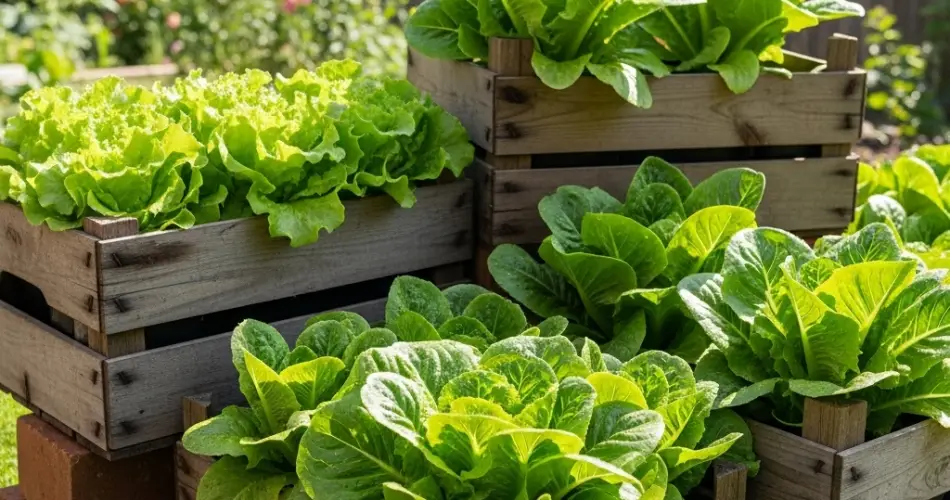
Growing your own lettuce at home is a rewarding and practical way to enjoy fresh, chemical-free greens. Even if you don’t have a large backyard, you can still cultivate a lush lettuce garden using recycled wooden or plastic crates. This method not only makes the most of limited space but also contributes to sustainable gardening by giving new life to old materials.
Why Grow Lettuce in Crates?
Lettuce is one of the easiest vegetables to grow, making it a great option for beginners. It grows quickly, doesn’t require deep soil, and thrives in containers. Crates offer excellent drainage, portability, and flexibility—they can be placed on balconies, patios, rooftops, or any sunny corner of your home. Since lettuce has shallow roots, it doesn’t need a deep bed, making shallow crates ideal growing containers.
Materials You’ll Need
Before planting, gather these simple materials:
-
A sturdy crate (wooden fruit crates or plastic milk crates work well)
-
Landscape fabric or burlap (to line the crate)
-
Potting mix (light and well-draining)
-
Compost or worm castings (for added nutrients)
-
Lettuce seeds or seedlings (loose-leaf, butterhead, romaine, or your preferred type)
-
Small hand tools and a watering can
Choose a location that receives 4 to 6 hours of sunlight daily, preferably with good air circulation to reduce disease risk.
Preparing the Crate
Start by lining the inside of the crate with landscape fabric or burlap. This prevents the soil from falling through the slats while still allowing excess water to drain. Secure the fabric by folding it neatly over the sides and tucking it in or stapling it to the crate’s interior.
Fill the crate with a quality potting mix blended with compost or worm castings. Avoid using garden soil alone, as it tends to compact in containers and can inhibit root development. Aim for a soil depth of at least 15 cm (6 inches) to support healthy growth.
Choosing the Right Lettuce
There are several types of lettuce suitable for crate gardening:
-
Loose-leaf: Quick to grow and ideal for cut-and-come-again harvesting.
-
Butterhead: Compact and tender with sweet leaves.
-
Romaine: Taller, crisp, and flavorful.
-
Oakleaf: Attractive and heat-tolerant.
You can grow one variety or mix different types in the same crate for a diverse salad garden.
Sowing and Planting
If using seeds, sow them thinly and cover lightly with soil—just enough to hide them. Water gently to moisten the soil without displacing the seeds. If transplanting seedlings, space them about 15 cm apart for optimal air circulation and growth.
Lettuce prefers cooler conditions and will bolt (go to seed) quickly in hot weather, so it’s best to plant in early spring or fall. In warmer climates, position your crate where it receives morning sun and afternoon shade.
Caring for Your Lettuce Crate
-
Watering: Keep the soil consistently moist, but avoid waterlogging. Crates dry out faster than garden beds, so check soil moisture daily.
-
Feeding: Lettuce grows quickly and benefits from light feeding. Apply compost tea or a diluted organic fertilizer every two weeks.
-
Weeding: Pull out any weeds early to prevent competition for nutrients.
-
Pest Control: Watch for slugs, aphids, or caterpillars. Handpick pests or use natural remedies like neem oil or garlic spray.
Crates raised off the ground are less likely to attract pests, and their portability allows you to move the garden to avoid excessive sun or rain.
Harvesting
One of the joys of growing lettuce is how fast you can enjoy the results. Loose-leaf varieties can be harvested in as little as 30 days. Begin by snipping outer leaves once they reach 10–15 cm tall, allowing the center to keep producing.
For head lettuces, wait until the heads form completely and cut them at the base. To keep a continuous harvest, sow seeds every two weeks in a new section of the crate or in a second crate.
Replanting and Reuse
After harvesting, refresh the top layer of soil with new compost before replanting. You can grow multiple crops in the same crate across different seasons. Crates are durable and easy to clean, making them perfect for repeated use.
In between growing cycles, wash out the crate and inspect the liner for damage. Replace the fabric if it’s worn or torn, and store the crate in a dry area to prolong its lifespan.
Final Thoughts
Recycled crate gardening is an excellent way to grow your own lettuce—fresh, green, and chemical-free—right at home. It’s a practical, eco-friendly approach that fits perfectly into urban living. Whether you’re a beginner or a seasoned gardener, turning a simple crate into a thriving salad box adds beauty and nutrition to your living space. Lettuce grown this way is not only a sustainable choice but also a step toward a healthier lifestyle—one crisp leaf at a time.


