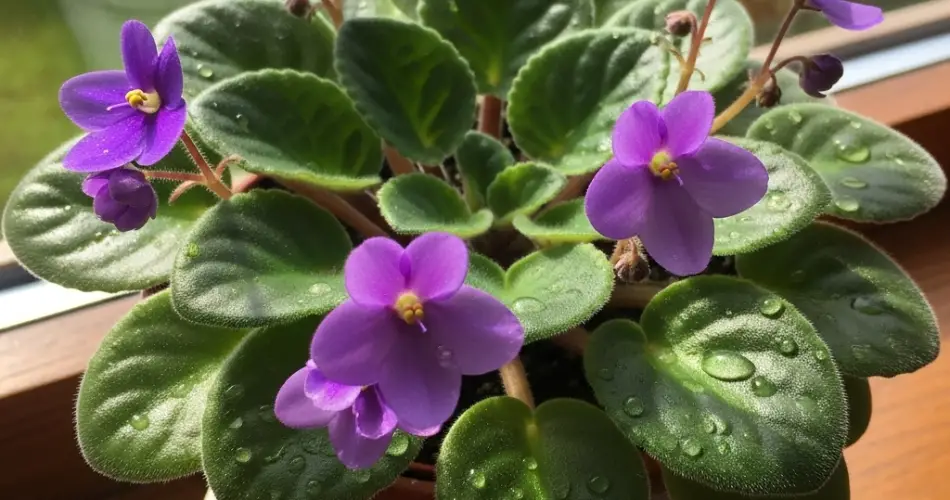
African violets are beloved for their soft, velvety leaves and vibrant, continuous blooms. While they are considered relatively easy to care for, they do have specific needs when it comes to feeding, pruning, and watering. Meeting these needs ensures your plant stays healthy and produces beautiful flowers all year round. This guide breaks down the right techniques to help your African violets thrive indoors.
Feeding African Violets: Choosing the Right Fertilizer
African violets benefit from regular feeding, especially when grown indoors where soil nutrients are quickly depleted. The key is to use a balanced, water-soluble fertilizer that’s specifically formulated for African violets or flowering houseplants.
Look for fertilizers labeled with a balanced ratio such as 14-12-14 or 20-20-20. These formulations contain nitrogen, phosphorus, and potassium, which promote healthy leaves, strong roots, and abundant flowering. For best results, feed your African violets every two weeks during active growth periods. If the fertilizer is mild and designed for regular use, you can dilute it to one-quarter strength and apply it at every watering.
Be careful not to overfeed. Too much fertilizer can lead to salt buildup in the soil, which can cause brown leaf tips and stunted growth. If you notice white crust on the soil or the rim of the pot, flush the soil with plain water once a month to remove excess salts.
Watering African Violets: Avoiding Common Pitfalls
Proper watering is essential to prevent issues such as root rot, wilting, or leaf spotting. African violets prefer evenly moist soil that is never soggy or bone-dry. The safest approach is to water from the bottom.
To do this, place the pot in a shallow dish of room-temperature water and allow the plant to absorb moisture through the drainage holes for about 30 minutes. Afterward, discard any remaining water in the dish to prevent root rot. This method keeps moisture away from the crown of the plant, which is particularly prone to rot when wet.
If you prefer to water from the top, be very careful. Use a watering can with a narrow spout and avoid splashing water on the leaves. Always water at the soil level and use lukewarm water. Cold water can cause unsightly spots on the leaves, while water that is too hot can damage the roots.
The frequency of watering depends on environmental factors such as humidity, temperature, and potting medium. A good rule of thumb is to check the top inch of soil—if it feels dry to the touch, it’s time to water. In general, African violets need water once every 5 to 7 days, but adjust as needed based on your home’s conditions.
Pruning African Violets: Keeping the Plant Compact and Healthy
Regular pruning is important for keeping African violets looking tidy and encouraging new growth. While they don’t require heavy pruning like some houseplants, removing spent flowers, damaged leaves, and excess foliage allows more light to reach the center of the plant and promotes better airflow.
Start by pinching off faded or wilted blooms with your fingers or a pair of clean, sharp scissors. This encourages the plant to produce more flowers. Remove any yellowing or damaged leaves by cutting them off at the base, being careful not to injure the crown.
You can also remove a few outer leaves if the plant becomes too crowded or if new growth appears stunted. Just be sure not to remove more than 3 to 5 leaves at a time to avoid stressing the plant.
Over time, the lower leaves naturally age and die off. Removing these keeps the plant looking neat and reduces the risk of pests and disease.
Additional Tips for Thriving African Violets
-
Light: African violets need bright, indirect light. East- or north-facing windows are ideal. Avoid direct sun, which can scorch the leaves.
-
Humidity: These plants thrive in moderate humidity. If your home is dry, especially in winter, use a humidity tray or room humidifier.
-
Potting Mix: Use a light, airy potting mix designed for African violets. Avoid regular garden soil, which can compact and suffocate roots.
-
Repotting: Repot once a year to refresh the soil and keep the plant growing strong. This is also a good opportunity to remove any older outer leaves and encourage fresh growth.
With the right care—feeding, watering, and light pruning—African violets will reward you with ongoing blooms and lush, healthy foliage. Following these steps ensures that your plant remains vibrant, compact, and productive, bringing charm and color to your indoor space throughout the year.


