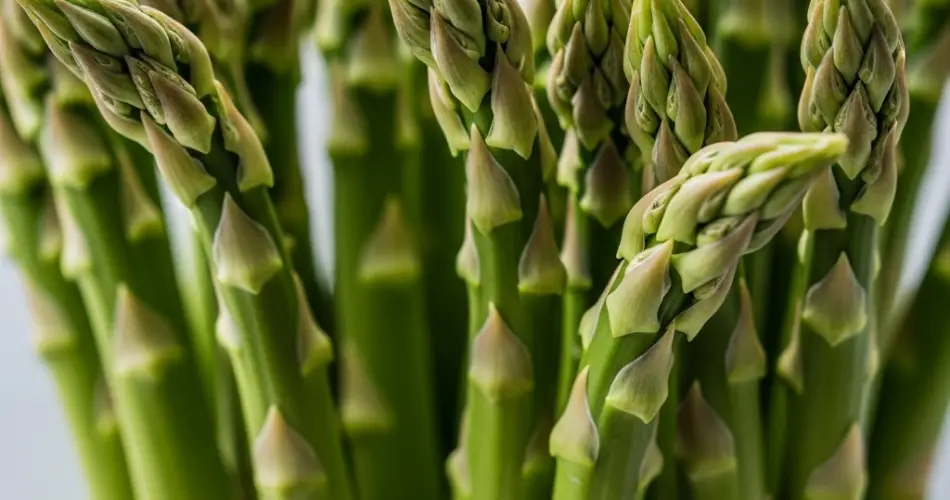
Asparagus is a long-lasting, perennial vegetable that, when properly cared for, can produce delicious spears year after year for two decades or more. However, the key to growing healthy and productive asparagus lies in preparing the right soil and maintaining a proper fertilization routine. Asparagus is a deep-rooted plant, and once it’s established, it doesn’t like to be disturbed. That’s why investing time and effort into soil preparation and nutrient management upfront is critical for long-term success.
Soil Requirements for Asparagus
Asparagus thrives in well-drained, fertile soil rich in organic matter. Since this crop remains in the same spot for many years, creating an ideal environment from the start is essential.
Soil Texture and Drainage
Asparagus does best in sandy loam or loamy soil that offers good drainage. Avoid heavy clay soils, as they can retain too much moisture, leading to root rot. If your soil tends to be compacted or slow-draining, consider building a raised bed or improving the soil structure by incorporating organic matter.
Soil pH
Aim for a soil pH between 6.5 and 7.0. Slightly acidic to neutral soil promotes optimal nutrient absorption. If your soil is too acidic (below 6.0), add agricultural lime to bring it up to the desired level. Conduct a soil test before planting to get accurate pH and nutrient information.
Preparing the Soil for Planting
Proper preparation is critical, especially because asparagus plants are left undisturbed for many years.
-
Clear the Area: Remove weeds, grasses, and debris. These can compete with young asparagus shoots for nutrients and moisture.
-
Deep Tilling: Loosen the soil to a depth of at least 12–18 inches. Deep-rooted asparagus crowns need space to establish without obstruction.
-
Add Organic Matter: Work in generous amounts of well-rotted compost or aged manure. This improves soil fertility and structure, encouraging strong root development.
-
Incorporate Slow-Release Fertilizer: Before planting, mix a balanced organic fertilizer (such as 5-10-10) into the top 6 inches of soil. This provides a baseline of nutrients for crown establishment.
Fertilizing Asparagus by Growth Stage
Asparagus has different nutrient requirements during its lifecycle. Tailor your fertilization routine accordingly.
1. Planting Year (Establishment Phase)
In the first year, focus on root and fern development rather than harvesting spears.
-
At Planting Time: Apply a balanced fertilizer (5-10-10) into the trench before placing crowns. This supports root growth without promoting excessive top growth.
-
Midseason Feeding: About 6–8 weeks after planting, side-dress with compost or a light application of nitrogen-rich fertilizer such as fish emulsion or blood meal to encourage fern growth.
Avoid harvesting any spears during the first year to allow the crowns to become strong and well established.
2. Second Year
In the second season, light harvesting is possible, but your main focus should still be on developing a robust root system.
-
Early Spring: Apply compost or a balanced fertilizer around the base of the plants as soon as growth resumes.
-
Post-Harvest: After the short harvest period (2–3 weeks), feed with a high-nitrogen fertilizer to support fern development through the rest of the growing season.
3. Mature Beds (Year 3 and Beyond)
From the third year onward, asparagus can be harvested more regularly (up to 6–8 weeks).
-
Early Spring Feeding: As spears begin to emerge, apply a complete organic fertilizer or composted manure. A formulation like 10-10-10 or 5-10-10 works well.
-
After Harvest: Once the harvest season ends and you allow spears to grow into ferns, apply a second round of nitrogen-rich fertilizer to maintain strong growth and prepare for the following year’s crop.
Organic Fertilizer Options
For gardeners seeking natural inputs, there are several effective organic fertilizer choices:
-
Compost – Improves overall soil health and provides a steady release of nutrients.
-
Bone Meal – High in phosphorus for root development.
-
Blood Meal or Fish Emulsion – Excellent sources of nitrogen for green growth.
-
Kelp Meal – Offers trace minerals and helps build plant resilience.
-
Aged Chicken Manure – Provides a balanced nutrient mix, ideal for mature beds.
Apply organic fertilizers according to package instructions or in small, frequent amounts to avoid overfeeding.
Additional Tips for Soil and Fertilizer Success
-
Mulch: Apply straw or shredded leaves around asparagus to conserve moisture, suppress weeds, and gradually enrich the soil.
-
Avoid Salt Buildup: Some fertilizers, especially synthetic ones, can lead to salt buildup in the soil over time. Flush the bed with water periodically if necessary.
-
Don’t Disturb the Bed: Once established, avoid digging in the asparagus bed to protect the crowns and roots.
Final Thoughts
Growing asparagus requires patience, but with the right soil conditions and a smart fertilization plan, your plants can reward you with decades of tender, tasty spears. By building rich, fertile soil and maintaining consistent organic feeding practices, you’ll ensure vigorous growth, strong crowns, and generous harvests for years to come.


