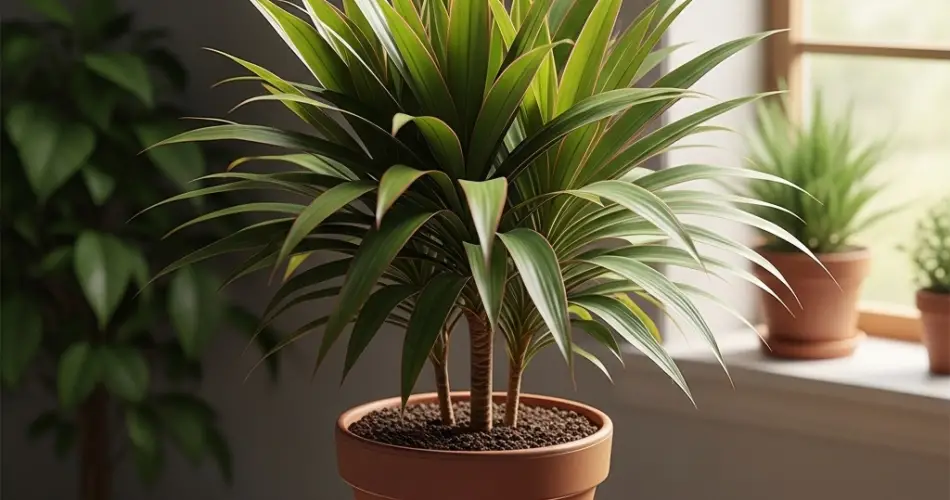
Dracaena plants, with their upright, cane-like stems and sword-shaped leaves, make an elegant addition to any indoor space. Their vertical growth habit makes them perfect for rooms with limited floor area but plenty of vertical space. Whether you’re growing the classic Dracaena marginata (dragon tree), the glossy-leaved Dracaena fragrans (corn plant), or the architectural Dracaena reflexa (song of India), choosing the correct pot size is crucial for long-term health and aesthetic appeal.
Growing Dracaena in a container that suits its structure helps prevent root problems, supports tall growth, and reduces the risk of the plant becoming top-heavy and tipping over.
Why Pot Size Matters
Dracaenas are slow to moderate growers, but their roots require room to spread out without sitting in soggy soil. Choosing a pot that’s too small may restrict root development and slow growth. On the other hand, selecting a pot that’s too large can lead to excess moisture retention, making the roots vulnerable to rot.
For tall and slender Dracaenas, an appropriately sized pot also helps maintain balance and stability, especially as the plant gains height and foliage.
Ideal Pot Diameter and Depth
When repotting or planting a new Dracaena, start with a pot that is 2–3 inches wider in diameter than the plant’s current root ball or nursery pot. For example, if your Dracaena comes in a 10-inch nursery pot, select a 12- or 13-inch container for repotting.
As for depth, Dracaena roots tend to grow downward, so the pot should be deep enough to accommodate a developing root system—generally around 10–14 inches deep for most mid-sized plants. Taller varieties over 4 feet may require pots with depths of 16 inches or more for added stability and root comfort.
Pot Shape Considerations
For tall Dracaenas, a tapered or straight-sided pot is often better than a wide, shallow container. A deep and relatively narrow container reduces the chance of the plant tipping over and mirrors the plant’s upright growth.
Avoid overly decorative, shallow planters that might look nice but don’t offer enough support or space for healthy root growth.
Drainage: A Non-Negotiable Feature
Regardless of size or shape, the pot must have adequate drainage holes. Dracaenas are particularly sensitive to soggy conditions, and stagnant water can quickly lead to root rot.
If you’ve found the perfect decorative pot but it lacks drainage, consider placing a plastic nursery pot with holes inside it. This “pot-in-pot” method allows excess water to drain while still giving you flexibility with style.
Material Matters: Choosing the Right Pot Type
The material of the pot affects water retention and overall plant care:
-
Plastic pots: Lightweight, inexpensive, and retain moisture longer, which can be helpful in dry climates or for plant owners who forget to water.
-
Ceramic or glazed pots: Heavier and more stable—excellent for tall Dracaena plants—but make sure they have proper drainage.
-
Terracotta pots: Porous and breathable, they allow moisture to escape quickly. Ideal for those who tend to overwater, though they might require more frequent watering in warm indoor conditions.
Choose a pot material that matches both your home environment and your watering habits.
Supporting Tall Growth
As your Dracaena matures and grows taller, even a properly sized pot may need reinforcement to prevent tipping. Here are some tips:
-
Add heavy stones or gravel at the bottom of the pot to improve weight distribution.
-
Use a stake or moss pole to support the central stem if it begins to lean.
-
Keep the plant in a low-traffic area to avoid accidental bumps that can cause it to topple.
When to Repot
Dracaenas don’t require frequent repotting and generally prefer to be slightly root-bound. However, you should repot every 2–3 years or when you notice signs like:
-
Roots emerging from the drainage holes
-
Soil drying out more quickly than usual
-
The plant becoming top-heavy or unstable
-
Slowed growth despite proper care
When repotting, gently loosen the root ball, trim away any dead or mushy roots, and refresh the soil to encourage vigorous growth.
Soil and Moisture Tips
Pair your pot with a well-draining soil mix, ideally one formulated for houseplants or palms. A mixture of potting soil, perlite, and orchid bark or sand works well to provide airflow and prevent water from pooling.
Always water thoroughly but allow the top 1–2 inches of soil to dry out before watering again. In a properly sized pot with good drainage, the soil should stay evenly moist without becoming soggy.
Final Thoughts
Choosing the right pot size is an essential part of successful container gardening with tall, slender Dracaenas. A container that’s just large enough to support root growth and stabilize the plant will prevent future problems while encouraging healthy, upright development. By considering pot diameter, depth, material, and drainage, you’ll create an ideal environment for your Dracaena to flourish indoors.
This sleek and hardy plant deserves a supportive foundation—and the right pot ensures it lives up to its full visual and horticultural potential.


