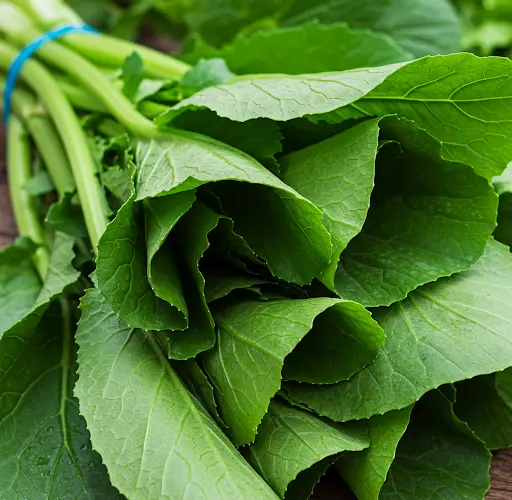
When the temperatures drop and many plants go dormant, there’s one vegetable that thrives — mustard greens. These flavorful leafy greens are not only well-suited for the cold season, but they’re also incredibly easy to grow at home. Best of all, you don’t need a traditional garden to enjoy a bountiful harvest. Whether you have a balcony, windowsill, or small patio, you can grow mustard greens effortlessly and enjoy fresh, nutritious leaves all winter long.
Here’s how to grow mustard greens successfully in containers or small spaces, and why this versatile vegetable is perfect for winter planting.
Why Mustard Greens Are Perfect for Winter
Mustard greens are cold-tolerant, hardy, and fast-growing. In fact, they often taste better in cooler temperatures, developing a sweet, mild flavor with a pleasant bite. Unlike many summer vegetables that struggle in the cold, mustard greens thrive in chilly conditions, making them an excellent winter crop.
They’re also packed with nutrients like:
-
Vitamin A, C, and K
-
Fiber
-
Antioxidants
Plus, their strong, peppery flavor adds a delicious kick to stir-fries, soups, and salads.
No Garden? No Problem – Mustard Greens Thrive in Containers
One of the best things about mustard greens is that they adapt well to container gardening. You don’t need a garden bed or large yard — just a few containers, a bit of soil, and a sunny spot. Here’s how to get started:
Choosing the Right Container:
-
Use pots or containers at least 6–8 inches deep.
-
Wide planters are ideal for growing multiple plants together.
-
Make sure containers have drainage holes to prevent waterlogging.
Soil Preparation:
-
Use a high-quality, well-draining potting mix.
-
Enrich the soil with compost or aged manure to boost nutrients.
-
Keep the pH slightly acidic to neutral (around 6.0 to 7.5).
How to Plant Mustard Greens
You can grow mustard greens from seeds or transplants, but growing from seed is easy and cost-effective.
Step-by-Step Planting Guide:
-
Sow seeds about ¼ inch deep and 1 inch apart.
-
Lightly cover with soil and water gently.
-
Keep the soil consistently moist, especially during germination.
-
In 4–7 days, seedlings will emerge.
Once the plants are about 2–3 inches tall, thin them out to allow 4–6 inches of space between each plant. This gives them room to mature and prevents overcrowding.
Light and Temperature Requirements
Mustard greens prefer full sun but can tolerate partial shade, especially in warmer climates. In winter, place your containers in a sunny south-facing location or near a bright window if growing indoors.
They thrive in cool temperatures — between 45°F and 75°F (7°C to 24°C) — and can even tolerate a light frost. In fact, mild frost enhances their flavor!
Watering and Feeding
Keep the soil evenly moist but not soggy. Mustard greens grow quickly, and dry soil can lead to bitter or tough leaves.
To keep your plants vigorous:
-
Water when the top inch of soil feels dry.
-
Feed every 2–3 weeks with a diluted liquid fertilizer or compost tea.
-
Avoid over-fertilizing with nitrogen, which can cause excessive leafy growth with less flavor.
Harvesting Tips for Continuous Growth
One of the best features of mustard greens is that they can be harvested continuously.
-
Start harvesting leaves when they’re about 4–6 inches long.
-
Pick the outer leaves first, allowing the center to keep growing.
-
For baby greens, you can snip the entire plant, and it will regrow within a few weeks.
With staggered planting or succession sowing every 2–3 weeks, you can maintain a steady supply throughout the winter.
Pests and Problems
In cold weather, mustard greens face fewer pest issues. However, keep an eye out for:
-
Aphids
-
Flea beetles
-
Slugs (especially in damp environments)
To protect your crop:
-
Use natural deterrents like neem oil or soapy water spray.
-
Keep the area clean and remove damaged leaves.
-
Try companion planting with herbs like mint or chives to ward off pests.
Culinary Uses and Storage
Mustard greens are incredibly versatile in the kitchen. Use them in:
-
Stir-fries
-
Soups and stews
-
Sautéed with garlic and olive oil
-
Raw in mixed salads
They can also be blanched and frozen for long-term storage, so you can enjoy the taste of your winter garden well into spring.
Final Thoughts
Mustard greens are the ideal winter vegetable for home gardeners. They grow quickly, taste great, and don’t require much space or effort. Whether you have a tiny balcony, a sunny windowsill, or just a few containers, you can enjoy a continuous harvest of this nutritious and flavorful green all season long.
With minimal supplies and just a bit of care, mustard greens will reward you with abundant leaves, adding freshness and health to your winter meals. Give it a try — and transform your winter into a season of homegrown abundance!


