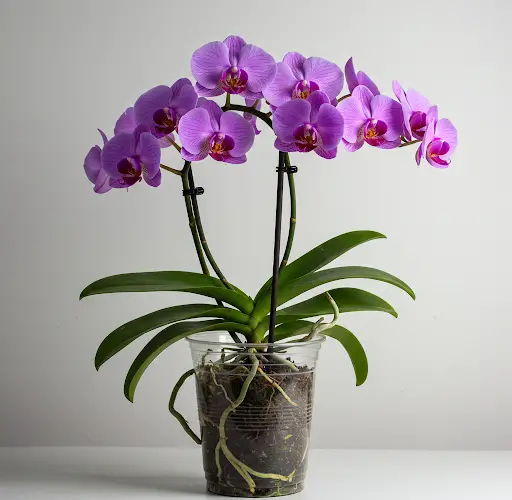

Orchids are delicate and beautiful plants, but they can sometimes face issues that cause their leaves to turn yellow and their flowers to fall off. Today, I will guide you through a step-by-step method to save orchids suffering from fungal infections and root problems. By following these techniques, you can help your orchids recover and bloom again.
Understanding Orchid Fungal Infections
When an orchid is infected with a fungal disease, its leaves often turn yellow and fall off, and it may shed its flowers prematurely. The fungus usually begins its attack from the inner part of the trunk, progressing outward. Despite this, the roots often remain healthy, but if the infection is left unchecked, it can spread to the entire plant. To prevent this, you must act quickly.
Step 1: Removing Dried Branches and Leaves
The first step in reviving an infected orchid is to remove any dried or diseased leaves and branches. This helps stop the spread of the fungus and allows the plant to focus on new growth. Using sterilized scissors or pruning shears, carefully cut away any dead or yellowing parts. Make sure to dispose of them properly to prevent contamination.
Step 2: Applying Cinnamon Powder
Once the dead leaves and branches have been removed, apply powdered cinnamon to the affected trunk area. Cinnamon is a powerful natural antioxidant with antifungal properties, making it an excellent choice for treating orchid infections. Sprinkle a generous amount over the cut areas to prevent the fungus from spreading to the roots. After applying cinnamon, refrain from watering the orchid for at least a week. Instead, place it on a windowsill where it can receive plenty of indirect sunlight. This will allow the fungus to dry out completely and prevent further damage.
Step 3: Cleaning and Inspecting the Roots
After a week, it’s time to examine the orchid’s roots. Before repotting, soften the existing soil by gently watering it. This will make it easier to remove the plant from its pot without damaging the roots. Once the orchid is out, carefully rinse the roots under running water to remove any remaining soil and better assess their condition.
If you notice yellowing or rotting roots, do not automatically cut them all off. Only remove those that appear stringy, mushy, or have completely lost their structure. Healthy roots should be firm and plump. Prune away any decayed sections using sterilized scissors, making sure to leave any viable roots intact.
Step 4: Disinfecting the Roots with Cinnamon Water
To further protect the orchid, disinfect the roots using a cinnamon-based solution. To prepare this, add one teaspoon of powdered cinnamon to one liter of boiling water. Stir well and allow the mixture to cool completely before use. Once cooled, soak the cleaned orchid roots in the cinnamon water for about 30 minutes. It is crucial to keep the trunk dry, as excess moisture can encourage fungal growth.
In addition to soaking the roots, you can use this cinnamon water as a preventive treatment for other orchids showing signs of disease. Simply pour 200ml of the solution into a glass jar and dilute it with fresh water. Use this mixture to water orchids suffering from root rot, leaf yellowing, or general sickness. The cinnamon solution not only prevents fungal infections but also acts as a natural insect repellent.
Step 5: Repotting the Orchid
Once the roots have been disinfected, the next step is to transfer the orchid to a fresh pot. If you plan to reuse the old pot, be sure to sterilize it thoroughly beforehand. To create the ideal growing environment, place a layer of clay balls at the bottom for drainage. Then, position the orchid on top and fill the pot with pine bark. Adding a small amount of moss can help maintain moisture balance, which is essential for root development.
Water the orchid lightly, adding about one glass of water and allowing it to absorb gradually. This will help maintain the right level of humidity for new growth.
Step 6: Creating a Greenhouse Effect
To encourage rapid root and leaf development, you can use the greenhouse method. Place the potted orchid inside a larger container and cover it with a plastic cup that has holes for airflow. This setup will help trap humidity, providing an ideal environment for recovery. Keep the orchid in a bright location with plenty of indirect sunlight.
Monitoring Progress and Long-Term Care
Reviving an orchid takes patience and proper care. Over the next few months, regularly check its progress. Avoid overwatering and ensure the plant receives sufficient light. After approximately nine months, the orchid should show significant improvements. In many cases, even an orchid that has lost all its leaves can produce new growth, including baby orchids (keikis), fresh roots, and flower branches.
Fertilization Tips for Healthy Orchids
To maintain healthy orchids and encourage continuous blooming, it is important to provide them with nutrients. Use liquid plant food every 15 days, but alternate between different natural fertilizers to avoid overloading the plant with one type of nutrient. Some excellent homemade fertilizers include:
- Banana peel water
- Eggshell water
- Aloe vera juice
- Cinnamon water
By following these steps and providing consistent care, you can save even the most struggling orchids and help them thrive again. Never discard an orchid too soon—there is always a chance to revive it with the right methods! Keep giving your orchids love and attention, and they will reward you with stunning blooms for years to come.


