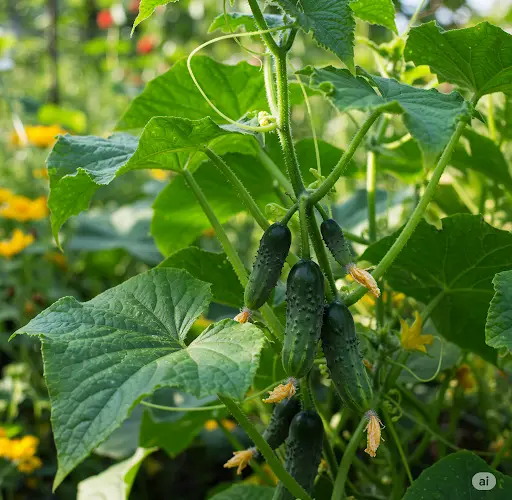
Yellowing leaves on cucumber plants are an early warning sign that something is wrong. If you ignore it, the problem can quickly escalate, leading to stunted growth, poor flowering, and a disappointing or even failed harvest. Fortunately, if caught in time, yellowing leaves can be reversed and your cucumbers can still produce a healthy, abundant crop.
In this article, we’ll explore the most common causes of yellowing cucumber leaves and what you can do right now to correct the issue and protect your harvest.
Why Are Cucumber Leaves Turning Yellow?
Cucumber plants are relatively easy to grow, but they are also quick to show distress when their growing conditions are less than ideal. Yellow leaves can be caused by a variety of issues, including nutrient deficiencies, watering problems, pests, and diseases.
Here are the most common causes—and how to fix them.
1. Nutrient Deficiency – Especially Nitrogen and Iron
The most frequent cause of yellowing leaves, especially the older ones at the bottom of the plant, is a lack of nitrogen. Cucumbers are fast-growing and need a steady supply of nutrients, especially during flowering and fruit development.
Signs:
-
Older leaves turn pale yellow while veins remain green.
-
Overall plant growth slows.
-
Fewer or smaller cucumbers.
Solution:
-
Feed your cucumbers with a balanced liquid fertilizer rich in nitrogen. Organic options like compost tea, diluted fish emulsion, or nettle infusion work well.
-
Apply fertilizer directly to the soil near the roots once every 7–10 days during the growing season.
-
Foliar feeding (spraying diluted fertilizer directly onto the leaves) can provide faster results if the deficiency is severe.
If the young leaves are yellowing first, suspect an iron deficiency, especially if the veins remain green. Use an iron supplement or a seaweed-based foliar spray.
2. Improper Watering – Both Overwatering and Underwatering
Cucumbers are moisture-loving plants, but the balance must be just right. Too much water can suffocate roots and promote rot, while too little can stress the plant and lead to nutrient uptake issues.
Signs:
-
Yellowing along the edges of leaves.
-
Wilted or limp foliage.
-
Wet, soggy, or dry soil.
Solution:
-
Water cucumbers consistently—aim for about 1 inch of water per week, adjusting for weather.
-
Water at the base of the plant early in the morning to avoid fungal growth.
-
Ensure good drainage. If your soil stays waterlogged, consider planting cucumbers in raised beds or adding compost to improve structure.
3. Pests and Insect Damage
Some insects, especially spider mites, aphids, and whiteflies, feed on the sap of cucumber plants and inject toxins that lead to yellowing leaves.
Signs:
-
Speckled yellow patches on leaves.
-
Sticky residue (honeydew) or black sooty mold.
-
Presence of tiny insects under leaves.
Solution:
-
Spray affected leaves with a solution of water and a few drops of dish soap (or use neem oil).
-
Introduce natural predators like ladybugs.
-
Remove heavily infested leaves and dispose of them far from the garden.
4. Fungal Diseases – Downy Mildew, Fusarium Wilt, etc.
Fungal infections can cause yellow spots that spread rapidly, especially during humid weather. Downy mildew is particularly common on cucumbers.
Signs:
-
Yellow patches that turn brown and dry.
-
Mold or fuzzy growth on the underside of leaves.
-
Leaves wilt or collapse suddenly.
Solution:
-
Remove affected leaves immediately.
-
Improve air circulation by spacing plants properly and pruning overcrowded areas.
-
Avoid overhead watering.
-
Apply an organic fungicide like copper spray or baking soda and water solution early in the morning.
5. Soil Problems and pH Imbalance
Poor or compacted soil, or incorrect pH levels, can block nutrient absorption and lead to yellowing even if fertilizers are applied.
Signs:
-
Uniform yellowing with poor plant growth.
-
No visible pests or disease symptoms.
-
Hard, dry, or clay-like soil.
Solution:
-
Test your soil pH. Cucumbers prefer a slightly acidic to neutral range (pH 6.0–7.0).
-
Amend soil with compost, worm castings, or aged manure to boost fertility.
-
Loosen compacted soil around the plant base to improve root oxygenation.
How to Prevent Yellow Leaves in the Future
-
Rotate crops yearly to prevent soil-borne diseases.
-
Mulch around cucumber plants to retain moisture and suppress weeds.
-
Monitor plants weekly for signs of pests or disease.
-
Feed consistently with a mild fertilizer to support vigorous growth.
Final Thoughts
Yellow leaves on cucumbers are a red flag, but not a death sentence for your harvest. By identifying the root cause—be it nutrient deficiency, watering issues, pests, or disease—you can take quick, effective action to revive your plants. Healthy, green cucumber leaves mean robust vines, plentiful flowers, and a steady stream of crunchy, delicious cucumbers through the season.
Act quickly, and your cucumbers will thank you with a harvest worth the effort.


