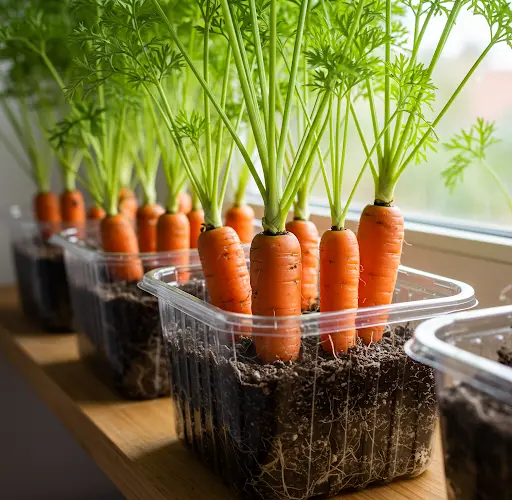
Carrots are a beloved vegetable, known for their crunchiness and vibrant orange color. They are easy to grow in most home gardens, but for those with limited space or poor soil, traditional gardening methods can be challenging. Fortunately, there’s an innovative solution: growing carrots in plastic containers. Not only is this method simple and budget-friendly, but it also yields an impressive harvest of sweet, crunchy carrots, all for around $1 per container.
Growing carrots in plastic containers can transform your gardening experience. This technique is perfect for urban gardeners, apartment dwellers, or anyone looking to grow fresh produce in a small space. The best part? You can achieve high yields without breaking the bank. Let’s dive into why this method works so well and how you can easily start growing your own carrots in plastic containers.
Why Plastic Containers for Growing Carrots?
Plastic containers are often seen as waste material or packaging, but when repurposed for gardening, they offer several key benefits for growing carrots:
-
Affordable: Plastic containers are inexpensive and often available for free or at a minimal cost, making them perfect for budget-conscious gardeners.
-
Good Depth: Carrots need deep soil to grow properly. Plastic containers, especially those that are at least 10–12 inches deep, provide the perfect environment for carrot roots to grow long and healthy.
-
Lightweight and Portable: Plastic containers are easy to move, so you can adjust the positioning based on sunlight and temperature changes.
-
Excellent Drainage: Carrots need well-drained soil to avoid waterlogged conditions that can lead to rot. Plastic containers allow for easy drainage when you drill small holes in the bottom.
Using plastic containers for growing carrots is a cost-effective solution that delivers great results, even for beginner gardeners. Now, let’s take a look at how you can use this method to grow your own crop of carrots.
Materials Needed for Growing Carrots in Plastic Containers
Before you begin, gather the following materials:
-
Plastic container(s) – Choose containers that are at least 12 inches deep (such as old buckets, storage bins, or even large yogurt containers).
-
Carrot seeds – Opt for varieties specifically suited for container gardening, like “Little Finger” or “Thumbelina,” which grow well in confined spaces.
-
Potting soil – Use a loose, well-draining potting mix. You can also add sand or perlite to ensure proper drainage.
-
Compost or organic fertilizer – This will provide the necessary nutrients for healthy carrot growth.
-
Watering can or hose – To keep the soil moist.
-
A drill or sharp object – To create drainage holes in the bottom of the container.
Step-by-Step Guide to Growing Carrots in Plastic Containers
1. Prepare the Plastic Container
Start by preparing your plastic container. If you’re reusing an old container, make sure it’s clean and free of any chemicals or residues.
Use a drill or sharp object to make several small drainage holes in the bottom of the container. This will allow excess water to drain out and prevent root rot. Ensure that the holes are evenly spaced to provide adequate drainage.
2. Fill the Container with Soil
Once the container is prepped, fill it with a high-quality potting soil. Carrots need light, loose soil to grow well, so avoid using heavy garden soil that can compact and hinder root development. If necessary, mix in some sand or perlite to improve soil aeration and drainage.
Fill the container up to about 2–3 inches below the rim, ensuring that the soil is level and free of large clumps. Make sure there are no rocks or debris in the soil, as these can obstruct carrot root growth.
3. Plant the Carrot Seeds
Planting carrot seeds is easy. Simply sprinkle them evenly over the soil’s surface. Carrots are small, so plant them thinly to avoid overcrowding. After sowing the seeds, gently cover them with a thin layer of soil, about 1/4 inch deep.
Carrot seeds are quite tiny, so be careful not to bury them too deeply. You can also use a small piece of wood or a flat board to lightly press the seeds into the soil, ensuring good contact with the soil for better germination.
4. Watering and Care
After planting, water the soil gently. Carrots need consistent moisture, especially during the germination phase, but make sure not to overwater, as this can cause the seeds to rot. A light misting or watering with a can helps keep the surface moist without disturbing the seeds.
Once the seeds begin to sprout (usually in 7–14 days), thin out the seedlings to allow room for the remaining carrots to grow. Thin them to about 2–3 inches apart, as this spacing will help the roots develop properly without crowding.
5. Provide Sunlight and Temperature Control
Carrots require full sunlight for at least 6 hours a day to grow well. Place your plastic container in a sunny spot, such as a balcony, patio, or rooftop garden, where the plants will get plenty of light.
Carrots grow best in temperatures between 60°F and 70°F (15°C to 21°C). If you live in a hot climate, you may want to provide some afternoon shade during the peak of summer to prevent the plants from getting stressed.
6. Feeding and Maintaining Soil Health
Carrots don’t need a lot of fertilizer, but you can boost their growth with some organic compost or a balanced fertilizer. Apply it once a month to keep the soil nutrient-rich and promote strong root development.
7. Harvesting the Carrots
Carrots typically take about 60 to 80 days to mature, depending on the variety. You can start harvesting when the roots are large enough to be pulled up, which is typically when the tops are about 1/2 inch in diameter.
To harvest, gently pull the carrots from the container. If you’ve used a deeper container, you might find it helpful to tip it over and shake the soil out to reveal the full crop.
Why This Method Works So Well
-
Cost-effective: Using inexpensive or discarded plastic containers means you can grow carrots on a budget, often for less than $1 per container.
-
Easy to manage: The lightweight nature of plastic containers makes them easy to move, and the containers provide a controlled environment that keeps the carrots healthy.
-
High yield: Even in confined spaces, you can grow a surprising number of carrots. With proper care, these containers can yield sweet, crisp, and delicious carrots in just a few months.
-
Space-saving: Plastic containers can be placed anywhere, making this method ideal for small-space gardeners, apartment dwellers, or those without access to a traditional garden plot.
Conclusion
Growing carrots in plastic containers is a simple, inexpensive, and effective way to produce a high yield of delicious carrots. By using inexpensive containers, good-quality soil, and providing the right growing conditions, you can enjoy fresh, homegrown carrots without needing a large garden space.
This method offers a cost-effective solution for anyone looking to grow their own vegetables at home, especially for those on a tight budget. With just a little care and attention, you’ll be rewarded with a generous harvest of sweet, crunchy carrots that will elevate your meals and garden experience.
Give it a try and see how easy and rewarding growing carrots in plastic containers can be!


