Many gardeners discover new techniques by trial and error—often after years of using less effective methods. When it comes to cucumbers, the right sowing technique can make a dramatic difference in germination rate, plant health, and overall productivity.
After experimenting with different approaches over the years, one method stands out as particularly effective. It delivers faster seed germination, stronger seedlings, and earlier, more abundant fruiting. If you want to transform your cucumber harvest this season, try sowing your seeds this way. You’ll likely find yourself saying, “I wish I had done this from the start!”
Here’s a step-by-step guide to the technique, why it works, and how to apply it in both garden beds and containers.
The Common Mistake When Sowing Cucumbers
Cucumber seeds are often sown directly into cold soil or placed in low-nutrient seed-starting mixes without pre-treatment. While this may work in ideal conditions, it’s not the most efficient method—especially in regions with unpredictable spring weather or short growing seasons.
Cold, wet soil can delay germination or cause the seeds to rot. Poor nutrient availability in early stages can result in leggy, pale seedlings. These weak starts often translate into poor yields later in the season.
To overcome these issues, a pre-sowing and soil enrichment method is recommended.
Step 1: Pre-Soak the Seeds
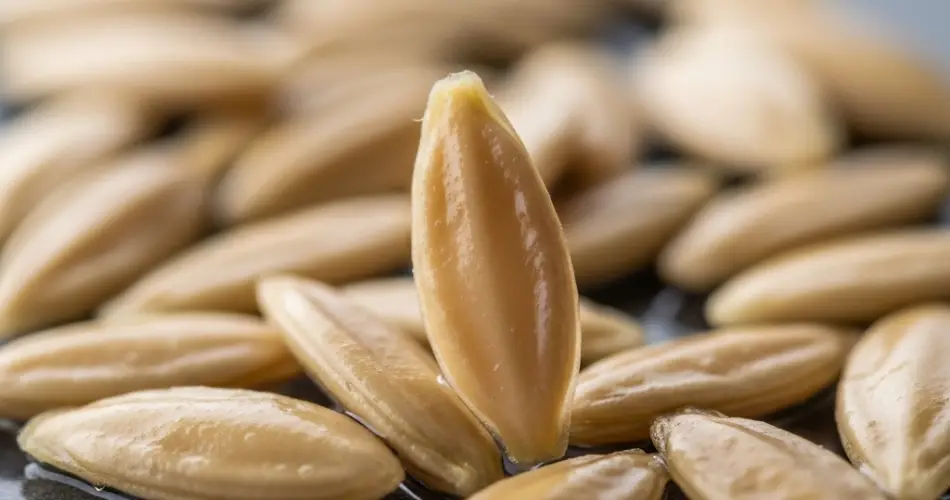
Start by soaking cucumber seeds for 12–16 hours in warm, non-chlorinated water. Optionally, you can add a natural stimulant to the soaking water:
-
A pinch of wood ash (for potassium and micronutrients)
-
A few drops of aloe vera juice (to encourage root development)
-
Or a teaspoon of honey (a natural antifungal and energy source)
After soaking, drain the seeds and allow them to rest in a damp paper towel for another 24 hours in a warm, dark place. You’ll often see tiny sprouts forming by then, which greatly increases your chances of successful germination.
Step 2: Prepare Nutrient-Rich Planting Holes
Before planting, prepare the soil by enriching the planting holes or trenches. For each cucumber planting site, add the following:
-
1 tablespoon of composted manure or humus
-
1 teaspoon of wood ash (rich in potassium and calcium)
-
A pinch of crushed eggshells (for calcium)
-
1 teaspoon of biochar or aged charcoal (improves soil structure and microbial life)
Mix thoroughly into the soil and water well one day before sowing.
This base layer creates a microenvironment with balanced nutrients and good drainage, helping young roots to develop quickly.
Step 3: Sowing Depth and Spacing
Sow pre-sprouted seeds 1.5–2 cm deep. Keep the soil consistently moist but not waterlogged. Ideal spacing is 30–40 cm between plants and 80–100 cm between rows if growing in open beds. In containers, choose large pots (at least 10 liters per plant) and provide a vertical trellis.
Cover the planted seeds with a fine layer of soil mixed with compost to retain moisture and nutrients.
Step 4: Cover and Warm
Covering the seedbed with plastic wrap, agrofabric, or a glass cover during the first few days helps retain warmth and humidity—two key factors in fast germination. As soon as the seedlings emerge, remove the cover and ensure good light exposure.
If temperatures fall below 15°C (59°F), protect the seedlings with cloches or temporary cold frames.
Why This Method Works
The combination of pre-soaking, nutrient-rich soil preparation, and early temperature control significantly increases seedling vigor. Here’s what improves:
-
Faster germination (within 3–5 days)
-
Stronger root development
-
Reduced transplant shock
-
Better flowering and fruit set
-
Earlier and higher yields
By giving the seeds an initial advantage, you’re setting the entire plant’s life cycle on the right track from the beginning.
Maintenance After Sowing
Once your cucumber seedlings are established, feed them every 10–14 days with a natural liquid fertilizer such as:
-
Compost tea
-
Diluted fermented plant extract (like nettle tea)
-
A weak solution of ash and water
Mulch around the base of the plants to retain moisture, suppress weeds, and regulate soil temperature. Keep the soil consistently moist, especially during flowering and fruiting stages.
Final Thoughts
If you’ve ever struggled with poor germination or disappointing cucumber yields, this method is worth adopting. Many gardeners who try it once never go back to their previous sowing techniques. The difference in seedling strength and overall productivity is often dramatic.
This isn’t a commercial trick or a costly intervention—it’s a simple, natural system based on good timing, healthy soil biology, and practical preparation. The results speak for themselves.
From now on, sowing cucumber seeds this way may become your new standard. With minimal effort, you’ll enjoy stronger plants, earlier harvests, and baskets full of crisp, healthy cucumbers.


