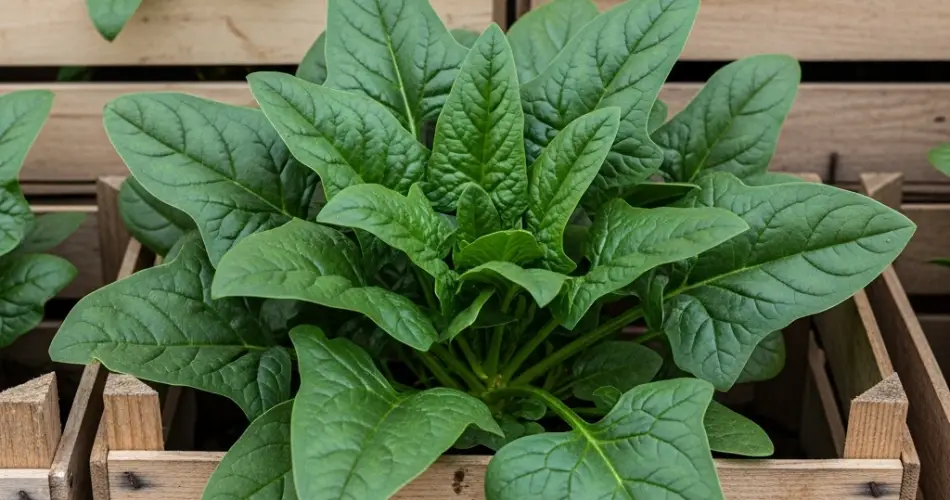
Spinach is one of the most rewarding greens to grow in a backyard box. It’s fast-growing, nutrient-packed, and thrives in cooler weather, making it an ideal choice for early spring or fall planting. Using a raised box garden not only saves space but also gives you greater control over soil quality, drainage, and pest management. Whether you’re gardening in a small yard or on a patio, spinach is a leafy green that adapts well to a boxed environment with the right setup and care.
Here’s a complete guide to growing vibrant, healthy spinach in your backyard box garden.
Why Choose a Box for Spinach?
Box gardens are particularly suited to spinach for several reasons:
-
Shallow root system: Spinach roots don’t need deep soil, so even a box that’s 6–8 inches tall can work well.
-
Improved drainage: Boxes prevent waterlogging and root rot, especially in heavy clay soils.
-
Better soil control: You can tailor the soil mix specifically to spinach’s preferences—loose, fertile, and slightly alkaline.
-
Easy maintenance: Weeding, watering, and harvesting are simpler in raised boxes than in-ground beds.
Selecting the Right Box and Location
Choose a box that:
-
Is at least 6–8 inches deep.
-
Has drainage holes or is raised slightly to avoid water pooling.
-
Is made of untreated wood, plastic, or any food-safe material.
Locate your spinach box in a spot that receives 4 to 6 hours of sunlight per day. In warmer regions, light afternoon shade helps prevent bolting. If you live in a cooler climate, full sun encourages faster growth.
Soil Mix and Preparation
Spinach grows best in loamy, well-drained soil with high organic matter. Use the following blend for optimal results:
-
2 parts potting mix or loamy garden soil
-
1 part compost (well-rotted or store-bought)
-
1 part coconut coir or peat moss to retain moisture
-
A handful of perlite or coarse sand for extra drainage
Spinach prefers a soil pH between 6.5 and 7.5. You can add a small amount of lime if your soil is too acidic.
Before planting, moisten the soil lightly and level the surface. Avoid compacting it, as spinach roots prefer loose growing conditions.
Planting Spinach: Seeds or Starts?
You can grow spinach either from seeds or transplants, but direct seeding is often the simplest and most successful method for box gardening.
To plant seeds:
-
Sow seeds about ½ inch deep.
-
Space them 2–3 inches apart.
-
Leave about 12–18 inches between rows, or stagger them in a grid for maximum yield.
Once seedlings appear (usually within 7–10 days), thin them to 4–6 inches apart to allow enough room for mature leaves to form.
For an extended harvest, sow a few seeds every 10–14 days in succession.
Watering and Fertilizing
Spinach likes even moisture, especially during germination and early leaf development. Water the box regularly so the soil stays moist but not soggy. Dry soil can cause spinach to bolt prematurely.
Here are a few watering tips:
-
Use a watering can or hose with a gentle nozzle to avoid disturbing young roots.
-
Water early in the morning to prevent fungal issues.
-
Mulch with straw or shredded leaves to retain moisture and regulate soil temperature.
For fertilizing:
-
Mix compost into the soil before planting.
-
Apply a light dose of liquid organic fertilizer (like fish emulsion or compost tea) every 2–3 weeks if the leaves appear pale or growth slows.
Avoid overfeeding, as too much nitrogen can cause rapid, floppy growth with reduced flavor.
Common Problems and How to Avoid Them
Spinach is relatively pest-resistant, but a few issues can arise:
-
Leaf miners: Look for trails or blotches on leaves. Remove affected leaves promptly.
-
Aphids: Spray with a mild solution of water and a few drops of dish soap.
-
Downy mildew: Ensure good air circulation, avoid overhead watering, and don’t crowd the plants.
To reduce disease risk, rotate your crops and avoid planting spinach in the same soil or box season after season.
Harvesting Your Spinach
You can begin harvesting young spinach leaves when they reach about 3 inches long. For a continuous harvest:
-
Use the cut-and-come-again method: Snip the outer leaves first, leaving the center intact.
-
Harvest in the morning: Leaves are crispest and most flavorful before the heat of the day.
Full-sized spinach plants can be harvested entirely by cutting just above the soil line. If temperatures rise and the plant begins to bolt (develop a flower stalk), harvest the rest of the leaves before they turn bitter.
Final Tips for Success
-
Plant early in the spring or late summer: Spinach grows best in cool temperatures.
-
Keep a lightweight cover handy: Row covers protect against sudden cold snaps and pest damage.
-
Plan for multiple sowings: Regular planting every two weeks ensures a constant supply.
Growing spinach in a backyard box is not only practical but also rewarding. With the right soil mix, consistent watering, and simple pest control, your box can produce handfuls of fresh, healthy greens that are perfect for salads, stir-fries, or smoothies. Whether you’re a beginner or a seasoned gardener, boxed spinach offers a flexible and dependable way to enjoy homegrown nutrition from your own yard.


