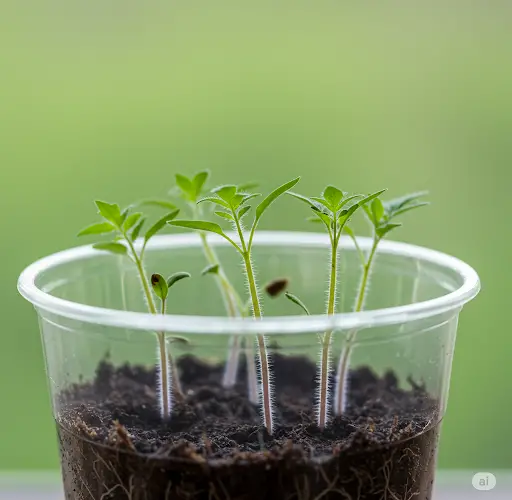
When it comes to growing healthy, productive tomato plants, what you do at the seedling stage plays a huge role in determining your final yield. One of the most effective strategies seasoned gardeners swear by is feeding tomato seedlings before transplanting them into the garden. This simple step can dramatically improve root development, boost plant immunity, and increase productivity several times over.
In this article, we’ll share a time-tested feeding solution that strengthens seedlings and sets them up for success in the garden. It’s easy to prepare, uses inexpensive ingredients, and delivers impressive results.
Why Feed Tomato Seedlings Before Transplanting?
Transplanting is a stressful event for any plant. Seedlings are removed from their containers and placed into new soil, where they must quickly adapt to different conditions. During this stage, roots are vulnerable, and if the plant isn’t strong enough, growth can be stunted or delayed.
Feeding seedlings just before transplanting helps them build a robust root system, enhances their resistance to diseases, and accelerates adaptation to new soil. It also gives them the nutrient reserve they need to quickly resume growth in their new environment.
The Special Feeding Solution That Increases Tomato Yields
Here’s the secret formula many experienced gardeners use: a homemade nutrient mix made from yeast, sugar, and warm water. It’s an organic, natural stimulant that provides beneficial microflora and nutrients to the plants right when they need them most.
Ingredients:
-
10 grams of dry baker’s yeast
-
2 tablespoons of sugar
-
1 liter of warm (not hot) water
Instructions:
-
Pour the warm water into a large container or jar.
-
Add the sugar and stir until it dissolves.
-
Add the dry yeast and stir gently.
-
Let the mixture sit in a warm place for 2 to 3 hours. The yeast will activate, creating a bubbly, slightly foamy solution.
After the solution has fermented, it’s ready to use. Dilute it in a 1:5 ratio with clean water. For example, mix 1 cup of the yeast solution with 5 cups of water.
Use this mixture to water the base of each tomato seedling one to two days before transplanting. This gives the roots a strong start and encourages rapid development once they are in the ground.
What Makes This Feed So Effective?
Yeast is rich in B vitamins and beneficial enzymes. When introduced to the soil, it stimulates the growth of helpful microorganisms. These microbes improve nutrient availability and support root development.
Sugar, on the other hand, acts as food for both the yeast and the soil microbes. It creates an active environment around the roots, ensuring the seedlings are energized and well-nourished at the time of transplant.
This organic feed not only boosts early growth but also contributes to higher flower production and fruit set later in the season. Gardeners who consistently use this method often report heavier harvests and more vigorous plants.
Additional Tips for Successful Transplanting
-
Harden off seedlings: About a week before transplanting, gradually expose your seedlings to outdoor conditions. Start with a few hours a day in filtered sunlight and slowly increase the time.
-
Choose the right time: Transplant in the late afternoon or on a cloudy day to minimize transplant shock. Avoid full sun during this process.
-
Deep planting: Tomatoes benefit from deep planting. Bury part of the stem so roots can grow along it, strengthening the plant.
-
Water well after transplanting: Make sure the soil is moist but not waterlogged. Consistent moisture helps roots settle in quickly.
Conclusion
Feeding tomato seedlings with a simple yeast-based mixture before transplanting can make a remarkable difference in plant health and productivity. This natural, low-cost method supports root growth, strengthens seedlings, and prepares them for a successful transition into the garden.
By giving your tomatoes this little boost early on, you’re setting the stage for a lush, fruitful season. Whether you’re growing a few plants on your balcony or managing a large garden, this feeding technique is worth adding to your routine.


