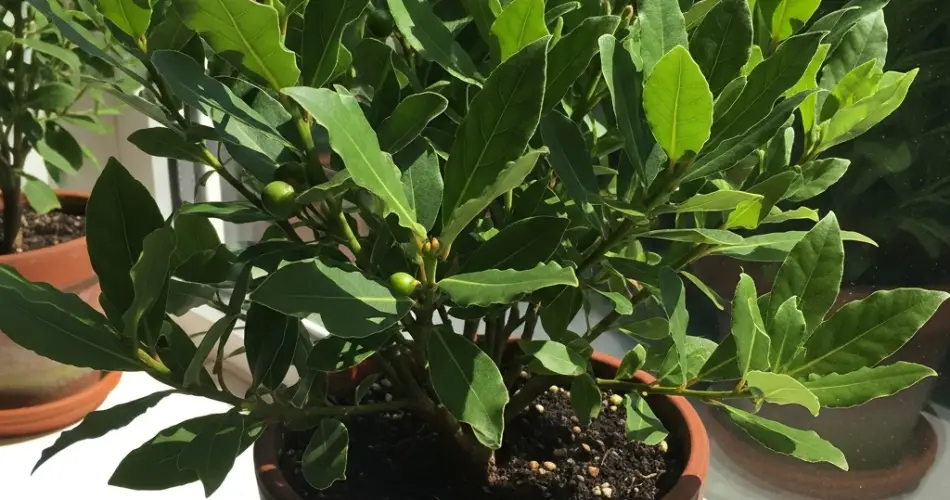
Bay laurel, also known as Laurus nobilis, is a timeless herb valued for its aromatic leaves that enhance soups, stews, and sauces. Beyond its culinary uses, this evergreen shrub adds beauty and fragrance to gardens, patios, and indoor spaces. While bay laurel is hardy and long-lived, it thrives best in containers when grown with the right potting mix. A well-chosen soil blend is essential for strong root development, lush foliage, and long-term health.
This article explores how to create the best potting mix for bay laurel plants, ensuring they remain vigorous and productive whether grown indoors or outdoors.
Why Potting Mix Matters for Bay Laurel
Unlike plants grown directly in the ground, potted bay laurel depends entirely on the soil within its container. Poor-quality potting soil can lead to weak growth, waterlogging, or nutrient deficiencies. The ideal potting mix must balance three key factors:
-
Drainage – Bay laurel does not tolerate soggy roots, so the soil must release excess water efficiently.
-
Nutrient retention – The soil should hold enough organic matter to supply steady nutrients.
-
Aeration – Roots require oxygen, and compacted soil can suffocate the plant over time.
By tailoring the potting mix to bay laurel’s needs, you set the foundation for a thriving, healthy plant.
The Ideal Components of a Bay Laurel Potting Mix
To create the best growing medium, combine ingredients that ensure both drainage and fertility. A good potting mix for bay laurel often includes:
-
High-quality potting soil – Forms the base of the mix, providing structure and nutrients.
-
Compost – Adds organic matter, improves fertility, and supports beneficial microbes.
-
Perlite or pumice – Lightens the soil and prevents compaction, ensuring good airflow around roots.
-
Sand (horticultural or coarse) – Improves drainage and mimics the sandy soil conditions bay laurel enjoys in the Mediterranean.
A simple formula is:
-
2 parts potting soil
-
1 part compost
-
1 part perlite or pumice
-
½ part coarse sand
This blend creates a balance between moisture retention and free drainage, keeping roots healthy while supplying steady nutrition.
Choosing the Right Pot for Bay Laurel
Even with the best potting mix, the container itself plays a crucial role. Bay laurel grows slowly but steadily and develops a strong root system. Select a pot that is at least 12–16 inches in diameter and depth to give roots room to spread.
Clay or terracotta pots are ideal since they are breathable and allow excess moisture to evaporate. Ensure the pot has multiple drainage holes to prevent water from pooling at the bottom. Over time, bay laurel can be repotted into larger containers as it grows, but the soil composition should remain consistent.
Watering and Fertilizing with the Right Soil
Once planted in the proper potting mix, bay laurel requires a balanced watering routine. The soil should be kept slightly moist but never waterlogged. A good practice is to water when the top inch of soil feels dry to the touch. During hot summer months, more frequent watering may be necessary, while in winter, allow the soil to dry out more between waterings.
Fertilization is also important. Because nutrients in container soil are gradually depleted, feed bay laurel every 4–6 weeks during the growing season with a balanced liquid fertilizer. Compost in the potting mix also helps sustain nutrients, but supplementation ensures continuous lush growth.
Signs of Poor Soil and How to Fix It
If your bay laurel shows yellowing leaves, stunted growth, or root rot, the problem may lie in the potting mix.
-
Yellowing leaves often indicate poor drainage or nutrient deficiency. Adding perlite or feeding with fertilizer can help.
-
Stunted growth may result from compacted soil. Repotting into a fresher, lighter mix is often the solution.
-
Root rot occurs when soil stays too wet. Ensure your potting mix contains sufficient sand or perlite and always use a container with drainage holes.
Refreshing the soil every two to three years keeps bay laurel vigorous and prevents compaction.
Additional Tips for Thriving Bay Laurel
-
Sunlight – Bay laurel prefers at least 6 hours of direct sunlight daily when outdoors. Indoors, place it near a bright, south-facing window.
-
Pruning – Trim occasionally to maintain shape and encourage fresh leaf growth.
-
Winter care – In colder climates, bring potted bay laurel indoors to protect it from frost, ensuring the soil remains lightly moist.
Combined with the right potting mix, these practices will keep your bay laurel plant thriving year-round.
Final Thoughts
The secret to healthy, long-lasting bay laurel lies in the soil beneath it. A potting mix that balances drainage, fertility, and aeration ensures that roots stay strong and leaves remain fragrant. By blending potting soil with compost, perlite, and sand, you provide the perfect foundation for this Mediterranean classic.
Whether you’re growing bay laurel on a sunny patio, a balcony, or indoors, the right soil mix will help your plant flourish for years, rewarding you with aromatic leaves to elevate your cooking and a touch of evergreen beauty in your garden.


