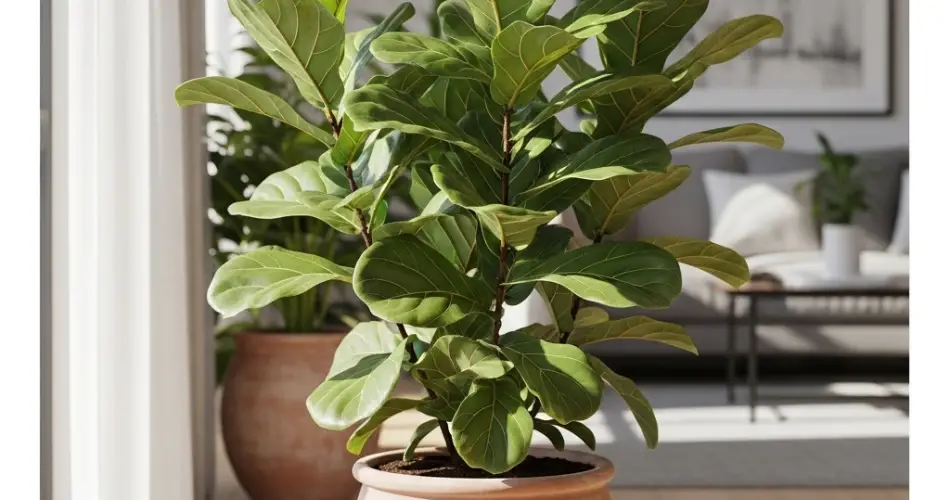
The fiddle leaf fig (Ficus lyrata) is one of the most sought-after indoor plants thanks to its large, glossy, violin-shaped leaves that bring a tropical elegance to any space. While it can be relatively easy to care for, getting those leaves to grow big, bold, and healthy requires a balance of the right environment, watering habits, and nutrition.
With the right techniques, your fiddle leaf fig can produce lush foliage that turns it into a true statement piece in your home.
1. Provide the Perfect Lighting Conditions
Lighting is the most important factor for achieving large, healthy leaves. Fiddle leaf figs need plenty of bright, indirect sunlight to photosynthesize effectively and produce new growth.
-
Ideal placement: Near a south- or east-facing window where the plant receives at least 6 hours of bright, filtered light daily.
-
Avoid direct, harsh midday sun, which can cause leaf burn.
-
If your plant is indoors with limited light, consider supplementing with a full-spectrum grow light to maintain healthy leaf production year-round.
Rotate the plant every couple of weeks so all sides receive even light exposure. This prevents lopsided growth and encourages uniform leaf size.
2. Watering for Strong Leaf Growth
Overwatering is a common cause of leaf drop and poor leaf development in fiddle leaf figs. On the other hand, underwatering can cause leaves to turn brown and curl.
Follow these watering guidelines:
-
Water only when the top 2–3 inches of soil feel dry to the touch.
-
Use room-temperature water and pour evenly until water drains from the bottom.
-
Ensure the pot has proper drainage to avoid waterlogged roots.
During spring and summer—when the plant is actively growing—it may need water more frequently. In fall and winter, reduce watering as growth slows.
3. Maintain the Right Humidity Levels
Fiddle leaf figs are native to tropical climates, so they thrive in moderate to high humidity. Low humidity can cause leaf edges to turn brown and crispy.
Ways to increase humidity:
-
Place a humidifier nearby.
-
Group plants together so they create a more humid microclimate.
-
Set the pot on a tray filled with pebbles and water, ensuring the pot’s base doesn’t sit directly in the water.
Keeping humidity between 40–60% will help leaves stay supple and vibrant.
4. Feed for Bigger, Greener Leaves
Nutrient-rich soil is essential for big leaf development. During the growing season (spring through early autumn), feed your fiddle leaf fig every 4–6 weeks with a balanced, water-soluble fertilizer.
Look for a formula with a slightly higher nitrogen content (the first number in the NPK ratio), as nitrogen promotes leafy growth. For example, a 3-1-2 or 10-10-10 blend works well. Always follow the package instructions to avoid fertilizer burn.
5. Pruning for Healthy, Vigorous Growth
Regular pruning not only shapes your fiddle leaf fig but also encourages it to put energy into new, large leaves.
-
Remove any dead or damaged leaves promptly.
-
Trim back overly tall or leggy stems in spring to stimulate side branching.
-
Use clean, sharp scissors or pruning shears to prevent infection.
Pruning also improves airflow between leaves, reducing the risk of fungal diseases.
6. Repot When Needed
Fiddle leaf figs can become root-bound over time, which restricts their growth and leaf production. Repotting every 1–2 years in a slightly larger pot gives the roots room to expand and take up more nutrients.
Signs your plant may need repotting:
-
Roots emerging from drainage holes.
-
Water draining too quickly through the soil.
-
Slowed or stunted leaf growth.
Choose a well-draining potting mix containing peat moss or coco coir for moisture retention, along with perlite or coarse sand for aeration.
7. Keep the Leaves Clean
Dust can block sunlight from reaching the leaf surface, reducing photosynthesis and slowing growth. Gently clean the leaves every month using a damp, soft cloth. Support each leaf with one hand as you wipe to avoid damage.
Avoid leaf shine sprays, as they can clog pores (stomata) and interfere with the plant’s ability to “breathe.”
8. Temperature Stability is Key
Fiddle leaf figs dislike sudden changes in temperature or drafts. Keep them in a location with stable indoor temperatures between 65–75°F (18–24°C). Avoid placing them near air conditioning vents, heaters, or frequently opened doors.
Consistent temperatures reduce stress and allow the plant to focus its energy on leaf growth rather than survival.
Final Thoughts
Growing big, beautiful fiddle leaf fig leaves isn’t about one single trick—it’s about creating the right conditions that allow your plant to thrive naturally. Bright, consistent light, correct watering, stable humidity, regular feeding, and occasional pruning all work together to produce lush, vibrant foliage.
When you commit to these care techniques, your fiddle leaf fig will reward you with strong stems, full growth, and leaves that are as striking as they are healthy—making it the showpiece of your indoor plant collection.


