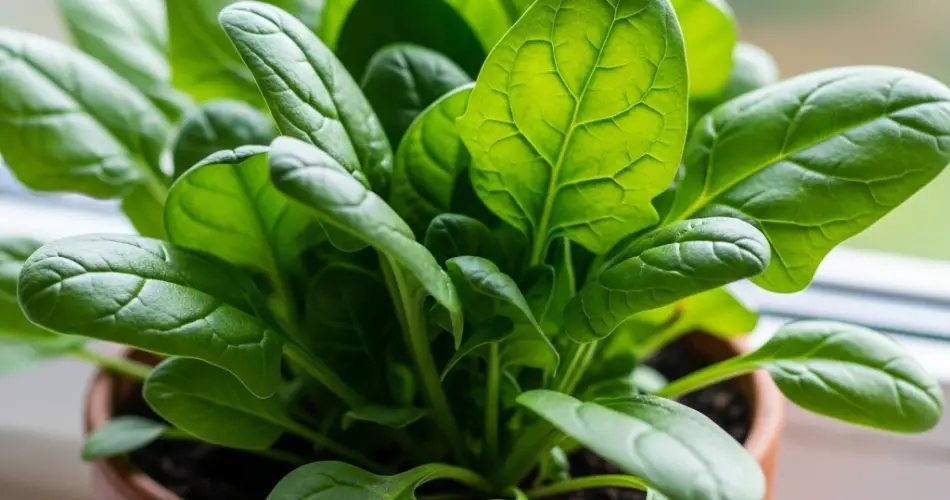
Spinach is a nutritious leafy green that grows quickly and adapts well to container gardening. Whether you’re short on space or simply want a convenient source of fresh greens, growing spinach in pots is a practical and rewarding solution. With just a few basic supplies and consistent care, you can harvest your own tender spinach leaves even from a small balcony or windowsill.
Choosing the Right Container
Spinach does not need deep soil, but it thrives best in wide containers that allow for proper root spread. A pot that is at least 6 to 8 inches deep will suffice. Choose a container with good drainage holes to prevent waterlogging, which can cause root rot. You can use clay pots, plastic tubs, recycled buckets, or even shallow wooden boxes—as long as they provide ample room for the plant to grow horizontally.
For those looking to maximize their harvest, consider using a trough-like container or multiple pots arranged close together. This helps make efficient use of your space while allowing each spinach plant enough room to grow.
Soil and Planting Tips
Spinach prefers well-draining, fertile soil rich in organic matter. A good potting mix with added compost or aged manure works well. The ideal soil pH for spinach is between 6.0 and 7.5. If you’re using pre-packaged potting soil, you can enrich it with worm castings or a slow-release organic fertilizer to support steady leaf development.
To plant spinach, sow seeds directly into the pot about half an inch deep and 2 inches apart. If you’re growing baby spinach, you can sow the seeds closer together. Once the seedlings appear, thin them out to 3–4 inches apart so the remaining plants have room to mature. Spinach doesn’t like being transplanted, so direct sowing is usually the best method for pots.
Light and Water Requirements
Spinach grows best in cool weather and partial sunlight. Ideally, the plant should receive 4–6 hours of sunlight daily. In hot climates, it’s better to place the pots in areas with morning sun and afternoon shade to avoid bolting, which causes the plant to flower prematurely and turn bitter.
Keep the soil consistently moist but not soggy. Water regularly, especially during dry periods. Because containers tend to dry out faster than garden beds, monitor the soil moisture by checking the top inch—if it feels dry, it’s time to water.
Mulching the top of the soil with straw, dried leaves, or shredded newspaper can help retain moisture and keep the roots cool.
Feeding and Maintenance
Spinach is a fast-growing plant and benefits from regular feeding. If your potting mix is already rich in compost, additional fertilizing may not be necessary for the first few weeks. However, as the plant grows, applying a diluted liquid fertilizer every two weeks can promote healthy foliage.
Avoid using high-nitrogen chemical fertilizers as they can encourage excessive leaf growth without improving flavor. Organic options like seaweed extract or fish emulsion are gentler and better suited for edible plants grown in containers.
Remove yellowing or damaged leaves to keep the plant healthy and to prevent disease. Regularly inspect the undersides of leaves for pests such as aphids or leaf miners, and treat them with organic pest control methods like neem oil or insecticidal soap if needed.
Harvesting Your Spinach
Spinach is ready to harvest in about 4 to 6 weeks after sowing. You can start picking the outer leaves when they are big enough to eat, allowing the center to continue producing new growth. This “cut-and-come-again” method lets you enjoy a longer harvest period from the same plants.
If you prefer a full harvest, wait until the plant has formed a compact rosette of leaves, then cut the whole plant about an inch above the soil line. In cooler temperatures, you might get a second flush of growth from the base.
Successive Planting for Year-Round Greens
To ensure a steady supply of spinach, practice successive sowing by planting new seeds every two to three weeks. This staggered approach helps you maintain a continuous harvest throughout the growing season. In cooler climates, spinach grows well during spring and fall. In warmer regions, it’s best grown in late autumn to early spring.
You can also experiment with different spinach varieties—some are more heat-tolerant, while others produce more compact or deeply savoyed leaves.
Final Thoughts
Growing spinach in pots is an excellent way to enjoy fresh, homegrown greens without needing a large garden. It’s low-maintenance, fast-growing, and perfectly suited to small urban spaces. With good soil, proper watering, and the right amount of sunlight, you’ll be harvesting crisp, flavorful spinach leaves straight from your containers in no time. Whether you’re growing it on a balcony, patio, or sunny kitchen ledge, spinach proves that even limited space can yield a satisfying harvest.


